


Understanding neuro-urbanism: Enhancing city spaces for better mental well-being
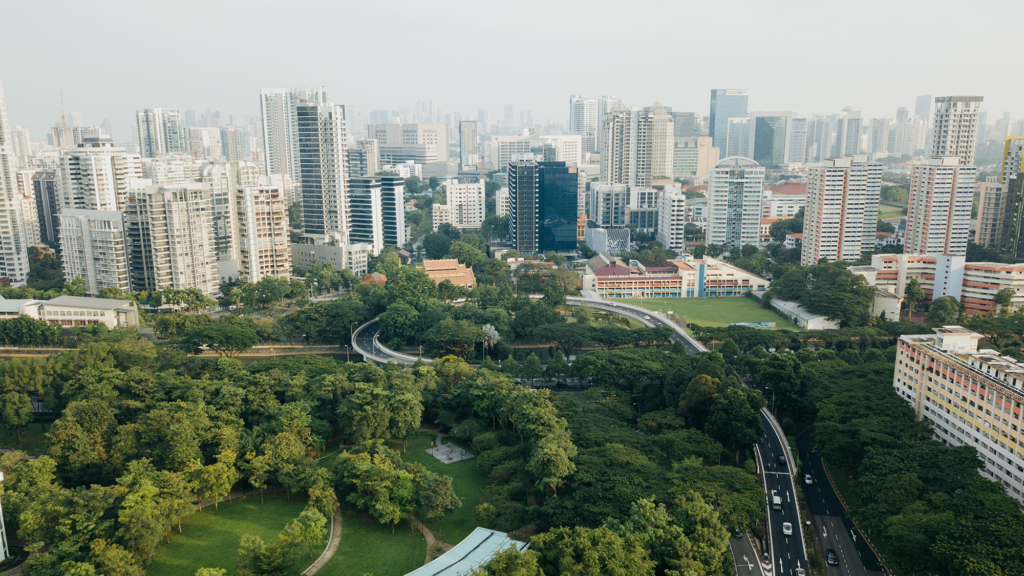
Discover how neuroscientific methods reveal the impact of urban environments on mental well-being. Our study provides insights to help city planners design spaces that enhance mood and cognitive health, making cities better for everyone.
Healing the city: a diagnostic approach to decoding stress in urban public spaces
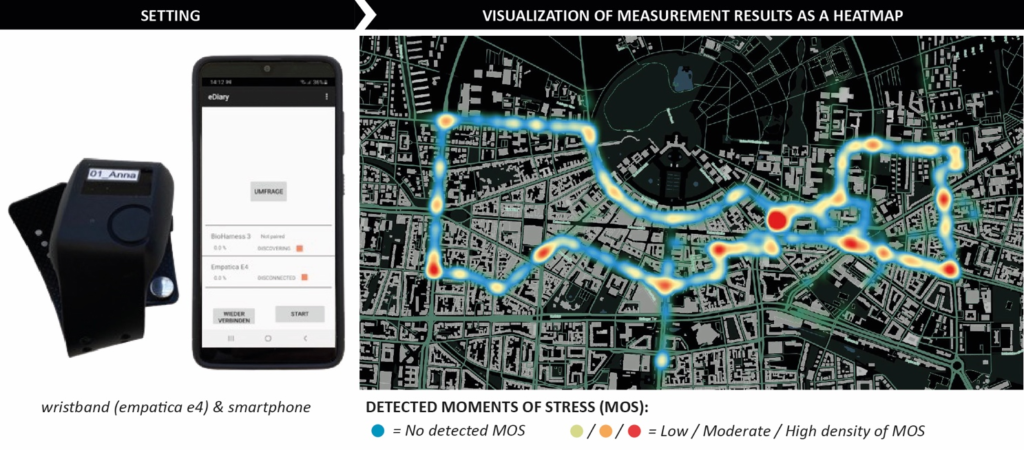
This newly developed methodological approach aims to identify the underlying causes of stress in urban environments. To this end, it analyses a broad spectrum of perception-related factors from various fields to capture the full complexity of human perception in a more holistic manner. The evaluation of five case studies using the so-called ‘Stressor Matrices’ serves as the basis for deriving initial hypotheses about the triggers of urban stress.
Co-creating public play spaces with autistic children; a co-design method from Barcelona, Spain
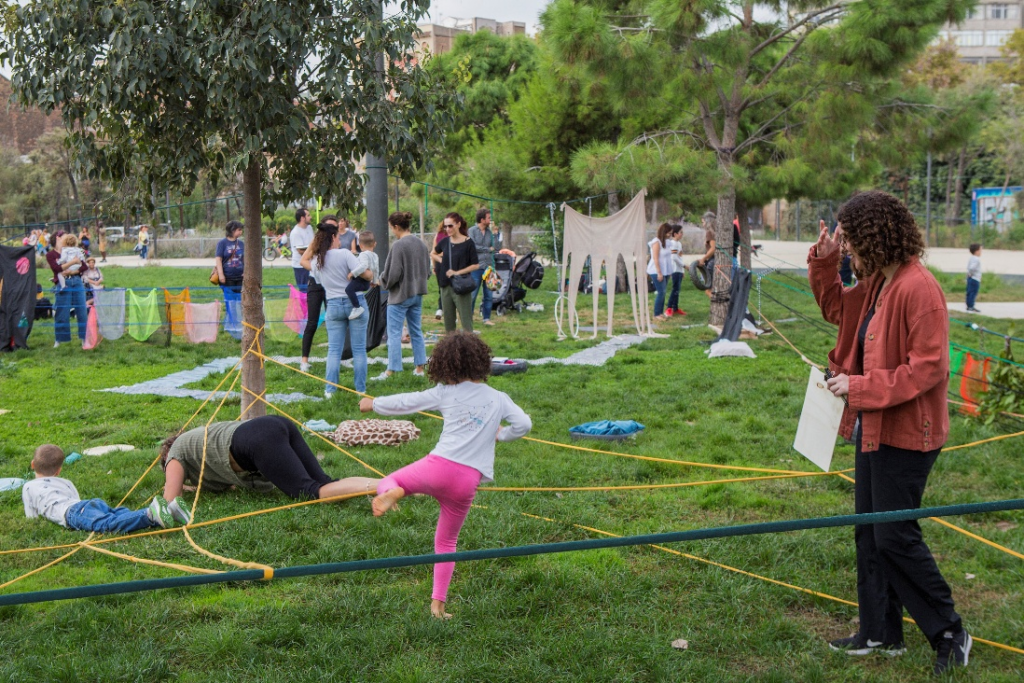
Our study explored the preferences, needs, and challenges faced by autistic children when engaging with public playgrounds. Drawing on these insights, we developed a set of evidence-based design guidelines to support neurodiverse-inclusive playgrounds through an autism-friendly, attuned co-creation methodology.
Benches for connection: Simple urban design to fight loneliness
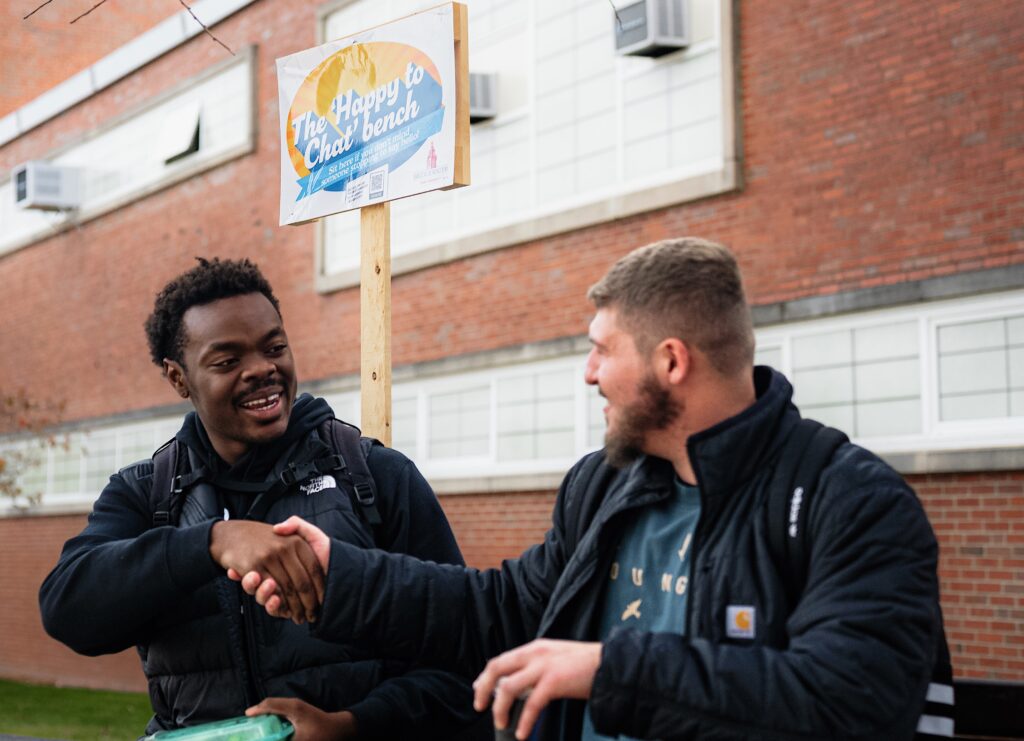
My study shows that simple ‘Happy to Chat’ benches successfully encourage spontaneous conversations, leading to positive feelings and new social connections. I found these benches can:
• Create welcoming spaces for casual and meaningful interactions.
• Promote emotional well-being and social bonding.
• Act as a subtle ‘social nudge’ to encourage interaction.
Exploring the restorative and social value of urban running environments as third places, Manila, The Philippines

We asked runners across Metro Manila to rate their usual running spots, not just based on convenience or safety, but on how these places make them feel. Do they offer a sense of community? Do they reduce stress? Can people connect with others there, even informally? These questions are rooted in the idea of “third places”, spaces that are neither home nor work but still feel like a meaningful part of daily life.
Understanding mental health in a middle-income city: The role of built environment components in Mashhad, Iran
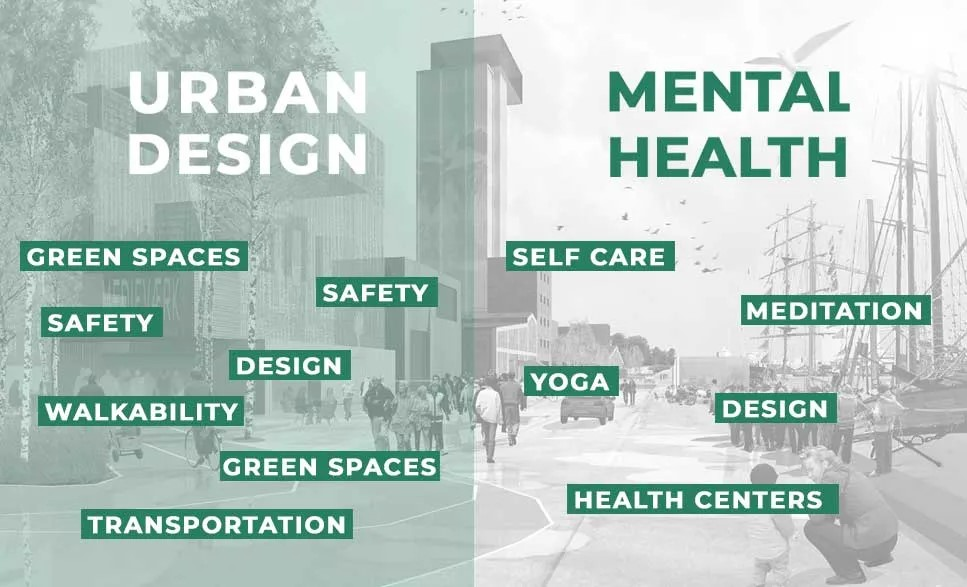
As an urban planner, designer, or manager in a developing country, to what extent and in what ways do you think your decisions can impact the mental health of citizens? How beneficial do you think replicating the urban experiences and knowledge from developed countries could be?