Maximising the health-promoting potential of public urban green spaces for sustainable urban development and public health, evidence from COVID-19

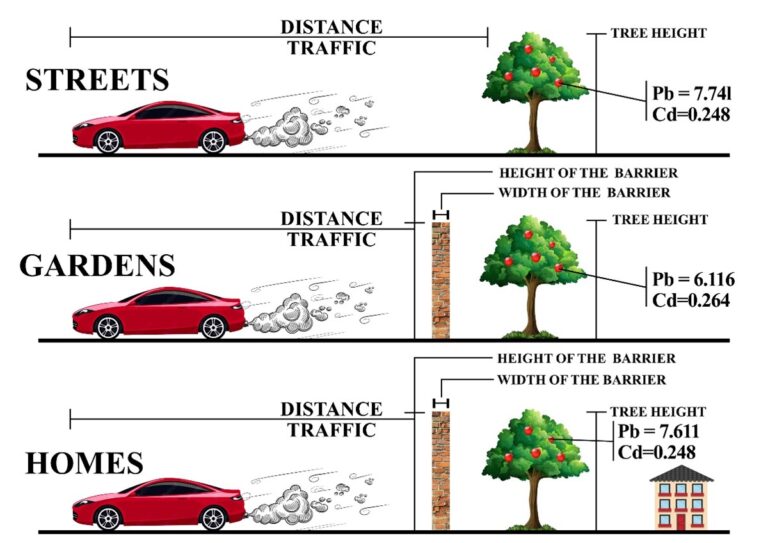
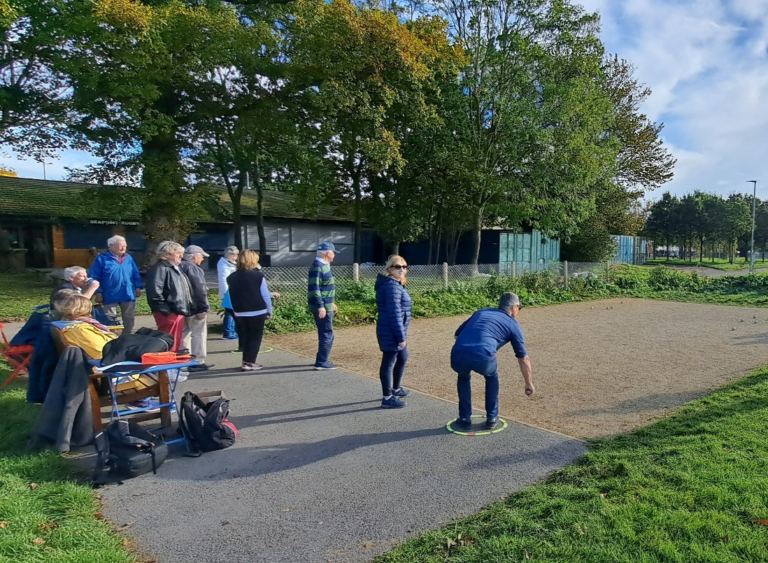
Prior studies have highlighted the vital role of urban green spaces in human health, showcasing benefits like stress reduction and improved well-being. Yet, the Covid-19 pandemic sparked increased interest in these spaces without any examination of how research priorities shifted. Understanding these changes is crucial as it may bias perspectives and policies, potentially affecting public health. Thus, uncovering shifts in research focus during and after the pandemic is imperative for informed planning and management.

Read More »

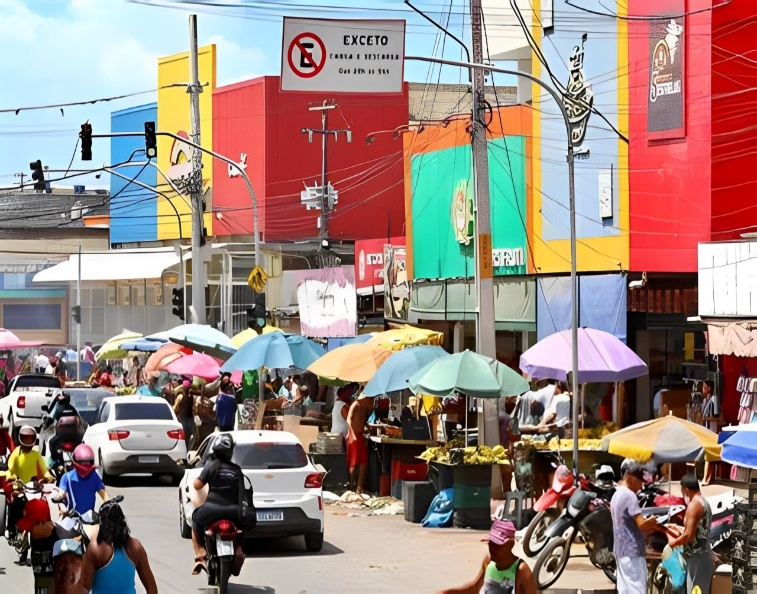
Uncovering the evidence base of the COVID-19 pandemic in informal settlements

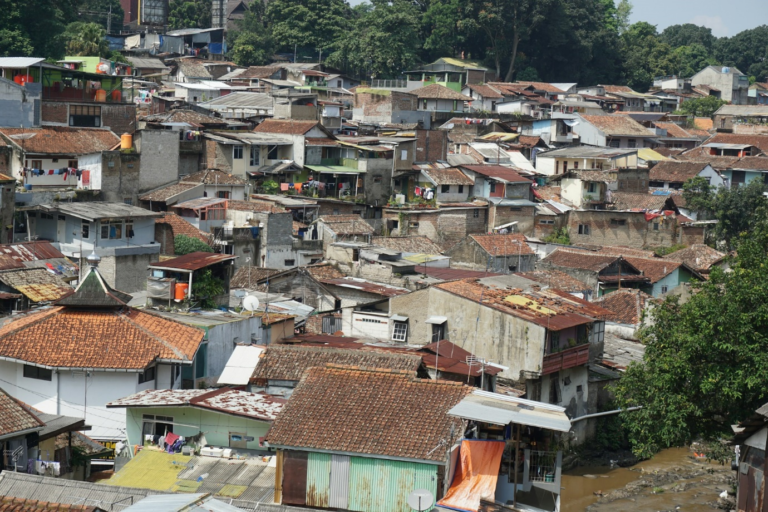
In informal settlements, the impact of COVID-19 can be alarmingly severe due to the lack/limited access to infrastructure, densely populated living conditions, and pre-existing socio-economic inequalities. There are limited studies that synthesise evidence from the literature on the COVID-19 lived experiences of informal settlement dwellers, often overlooked in scientific studies and policy-making initiatives. There any knowledge gaps that require further research to enhance the development of context-specific policies towards effective pandemic planning and response. How can we build resilience and sustainable livelihoods in informal settlements during public health emergencies?

Read More »

Food behaviours vary by dwelling type, and by apartment characteristics

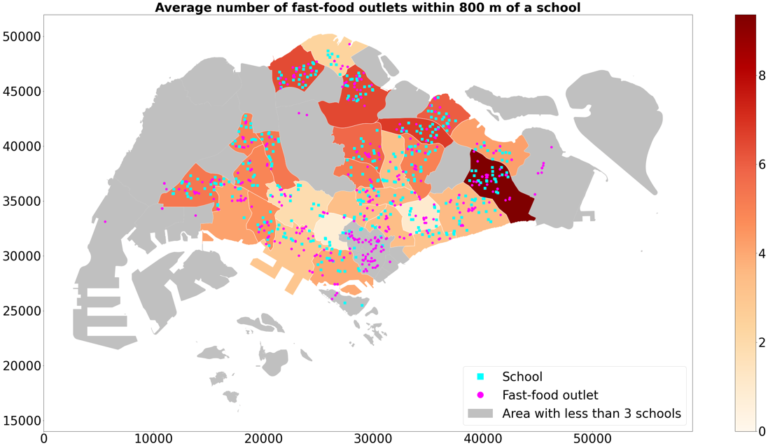
Food behaviours are associated with diet quality, a major risk factor for chronic disease. We compared the food behaviours of house residents and apartment residents, and apartment residents by characteristic. We found significant differences in meal purchasing behaviours and consumption of fruit and vegetables, which have short- and long-term implications for dietary health.

Read More »

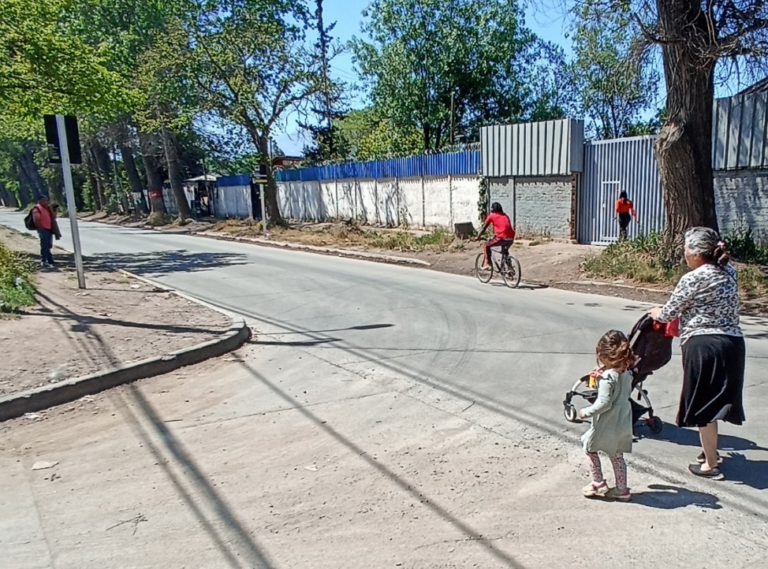
Do more walkable neighbourhoods have less crime? Depends on the socioeconomic context

Our study wanted to know more about the relationship between neighborhood walkability and crime in New Orleans, generally finding that the relationship between the two depends on the level of walkability, type of crime, and socioeconomic conditions of the neighborhood. Walkability was related to less crime in economically impoverished neighborhoods. Improving walkability in economically disadvantaged areas may help reduce crime.

Read More »

Understanding healthy city assessment tools for better local decisions

Cities increasingly rely on assessment tools to understand whether neighbourhoods and urban systems support health and wellbeing. Yet results can depend on which tool is used. We examined fourteen widely used health assessment tools using a structured analytical framework. Our study shows that divergence is not primarily about which indicators are included, but about how tools operate across multiple layers.

Read More »