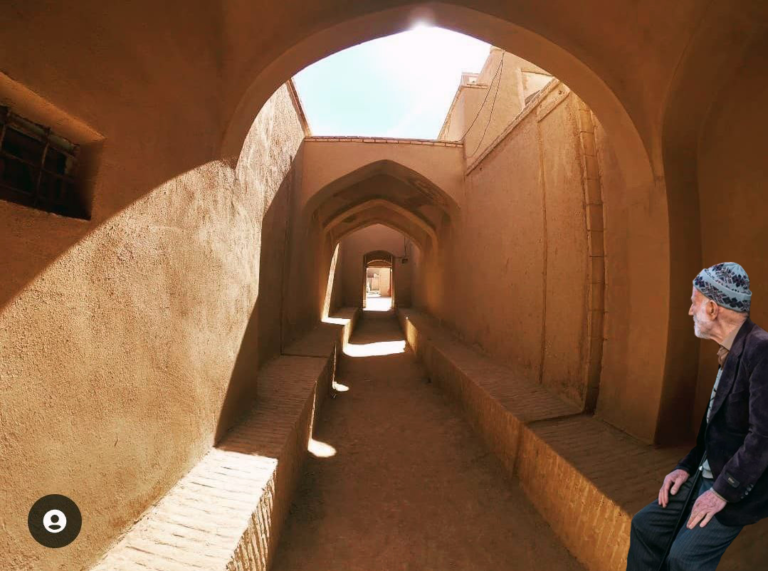



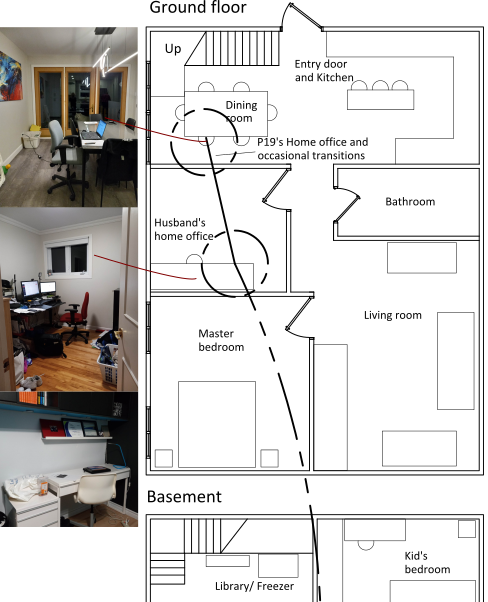
For a long time, architecture and housing policy have been viewed through the lens of providing a product. But the pandemic showed that for certain people lacking space, with small children, or with complex families, housing can add to their ailments and cause ill mental health.
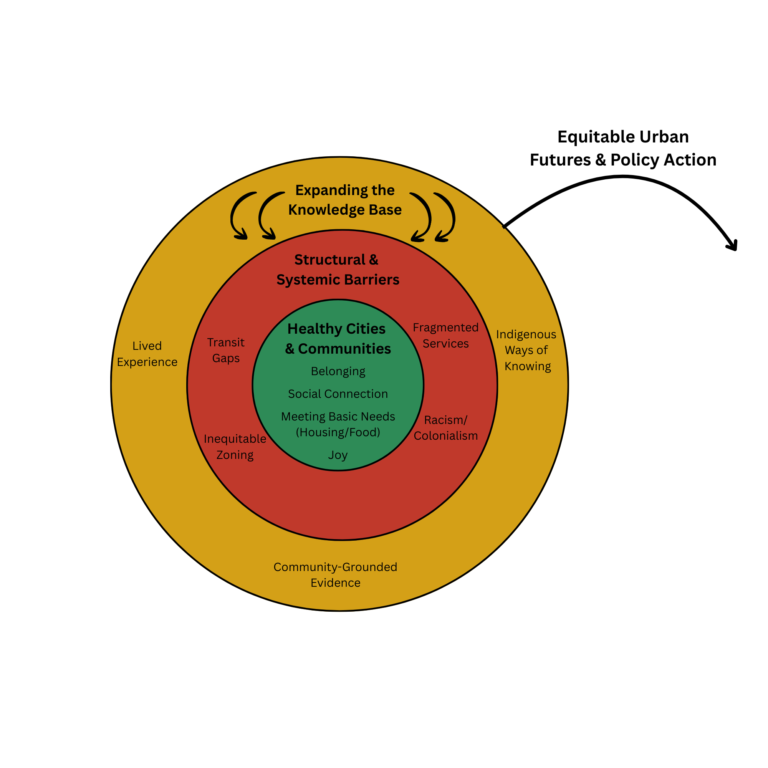
Cities often invest in infrastructure while overlooking what residents say truly shapes health. Drawing on community voices from Regina, this study shows that belonging, meeting basic needs, and valuing lived and Indigenous knowledge are essential for building healthier and more equitable cities.
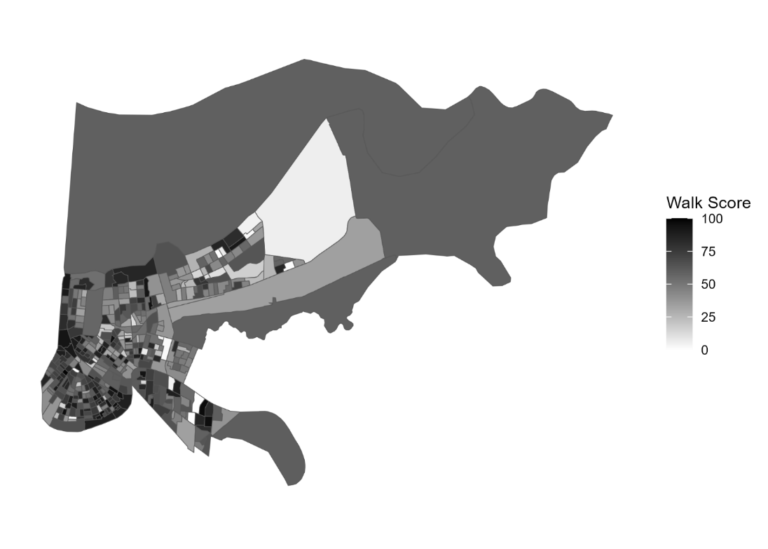
Our study wanted to know more about the relationship between neighborhood walkability and crime in New Orleans, generally finding that the relationship between the two depends on the level of walkability, type of crime, and socioeconomic conditions of the neighborhood. Walkability was related to less crime in economically impoverished neighborhoods. Improving walkability in economically disadvantaged areas may help reduce crime.
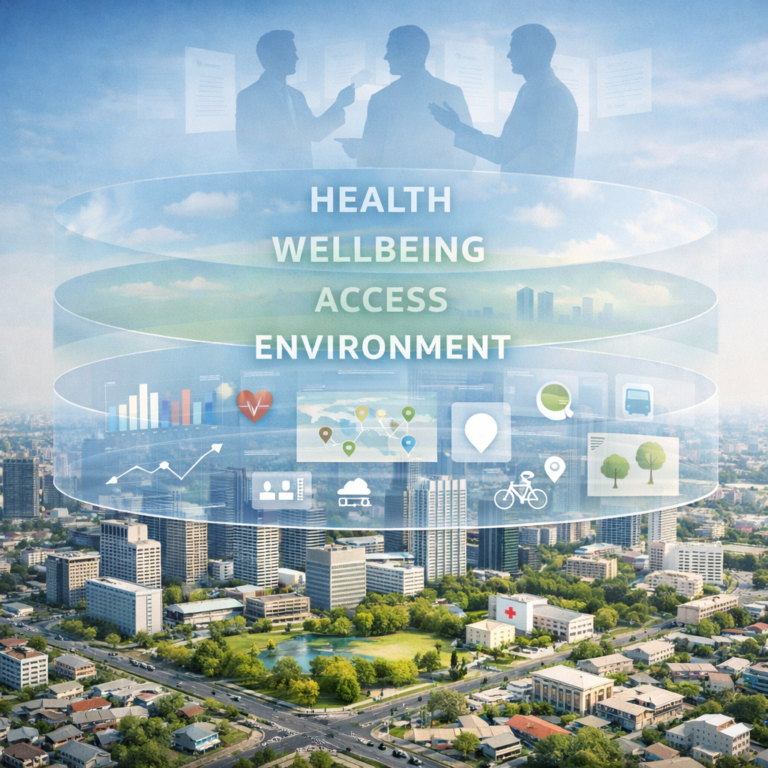
Cities increasingly rely on assessment tools to understand whether neighbourhoods and urban systems support health and wellbeing. Yet results can depend on which tool is used. We examined fourteen widely used health assessment tools using a structured analytical framework. Our study shows that divergence is not primarily about which indicators are included, but about how tools operate across multiple layers.
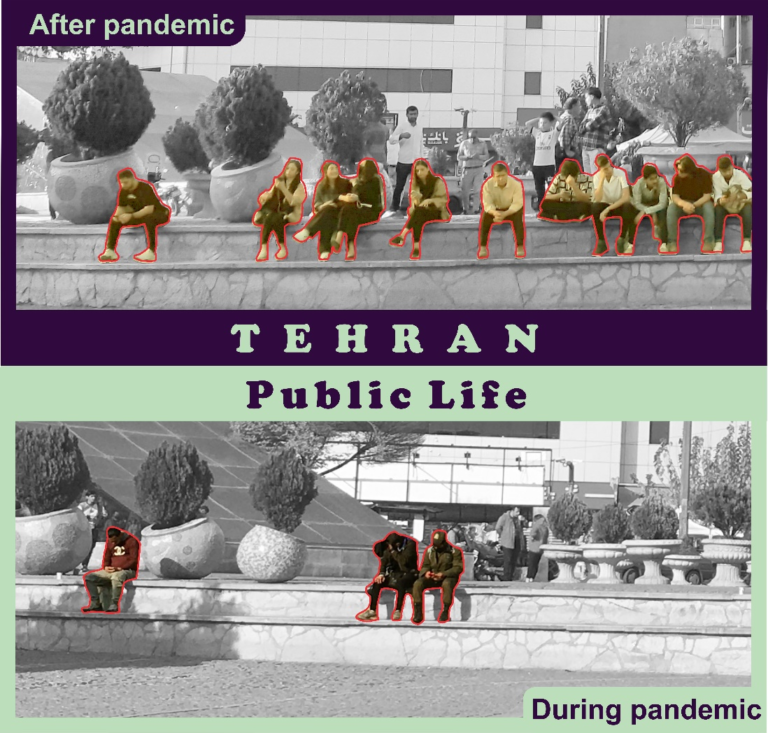
Our work shows the suitability of using Gehl and Svarre methods even during unexpected situations like the pandemic to study public life. Furthermore, the results provide a comprehensive view of public life in Tehran which has not been done before. This study shows the importance of plazas and urban green spaces during the pandemic for maintaining the public life and people’s physical activity.

This research extends existing scholarship by contextualizing Healthy City principles within Saudi Arabia’s specific climatic conditions, demographic transitions, and centralized governance structures. Rather than advocating direct replication of international models, the study emphasizes learning from international experiences to inform context-specific strategies aligned with Vision 2030 and national sustainability priorities. By interpreting international experiences within Saudi urban realities, this work provides a geographically specialized and policy-relevant contribution to the discourse on sustainable and healthy urban development.
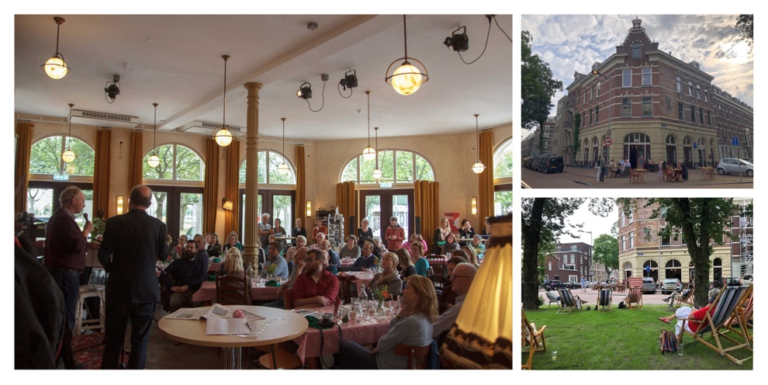
Verhalenhuis Belvédère demonstrates how community-led, culturally rooted public spaces bolster neighbourhood resilience during urban renewal by combining participatory co-creation, flexible programming, recognition, and memory work. More broadly, examples like this show how a socio-spatial triad—spatial agency, networked solidarity, and identity grounding—can help protect neighbourhood identity and strengthen lasting social infrastructure in diverse communities.

Cities urgently need systemic health checks. Without them, they keep fixing symptoms, wasting scarce budgets, while hidden risks grow. This proposed approach helps cities understand their true health and activate their self-healing capacity instead of constantly firefighting.
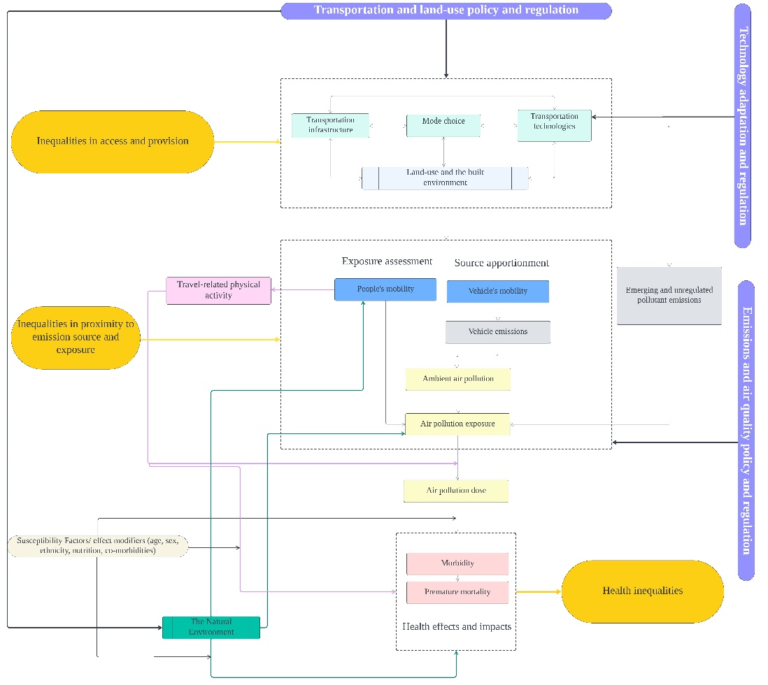
Air pollution threatens public health globally. Our exposure to air pollution is influenced by transport. Transport is both a prominent source of air pollution and an important determinant in our exposure to it. The built and natural environment also dictate how, when and where we travel, and what we are exposed to. We provide a comprehensive review of these relationships and their interactions.