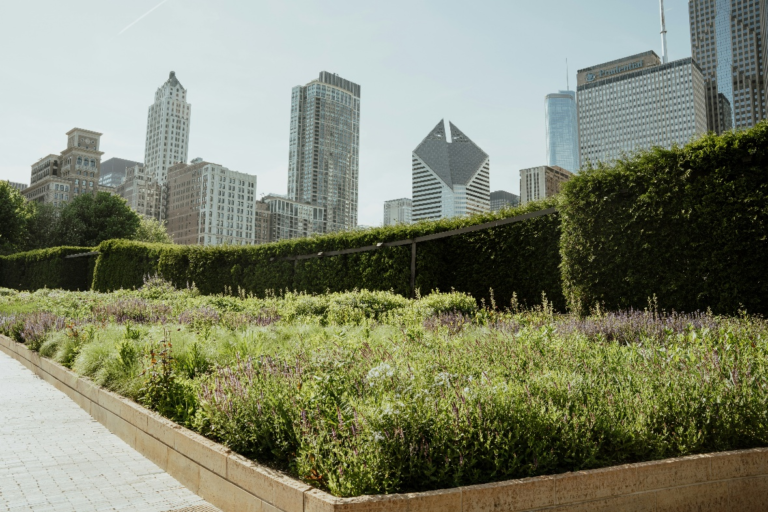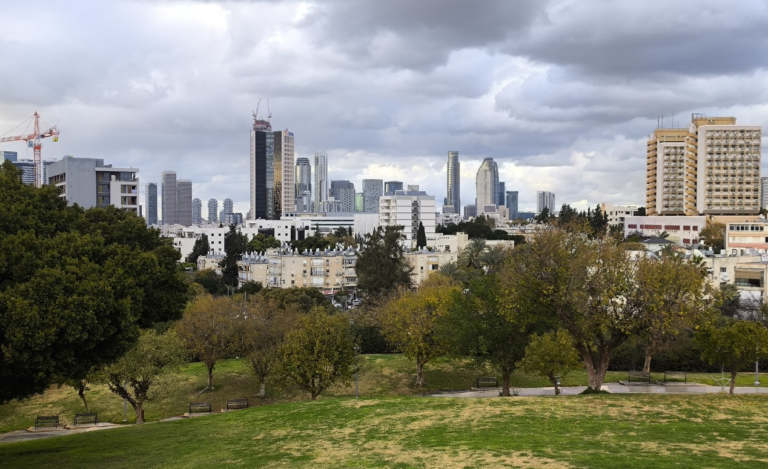
Can urban planners and designers fight depression? 

This study analysed thirteen neighbourhoods across four Israeli metropolitan cities from a cross-typological perspective to identify meaningful depression patterns and their links to neighbourhood design. The study suggests that while it is clear that urban planners cannot control all features associated with depression, they have at least the power to address the physical features associated with the neighbourhood, such as densities, street networks, building forms, and open spaces.

Read More »

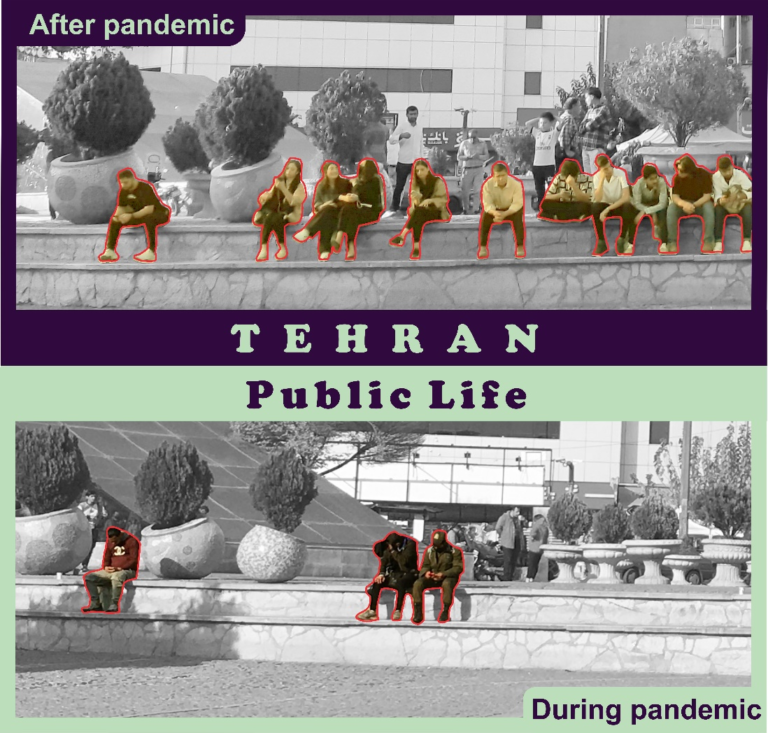
Public life in Tehran, during and after the pandemic

Our work shows the suitability of using Gehl and Svarre methods even during unexpected situations like the pandemic to study public life. Furthermore, the results provide a comprehensive view of public life in Tehran which has not been done before. This study shows the importance of plazas and urban green spaces during the pandemic for maintaining the public life and people’s physical activity.

Read More »

Building healthier cities in Saudi Arabia through greener urban futures

This research extends existing scholarship by contextualizing Healthy City principles within Saudi Arabia’s specific climatic conditions, demographic transitions, and centralized governance structures. Rather than advocating direct replication of international models, the study emphasizes learning from international experiences to inform context-specific strategies aligned with Vision 2030 and national sustainability priorities. By interpreting international experiences within Saudi urban realities, this work provides a geographically specialized and policy-relevant contribution to the discourse on sustainable and healthy urban development.

Read More »

The first overview of a now deleted federal program planning for climate change and public health: The Climate Ready State and Cities Initiative

Anthropogenic climate change is bringing with it a whole host of deleterious public health impacts. People will die and suffer disproportionately following inequitable societal structures. With every passing year time to mitigate and adapt to anthropogenic climate change slips away. The time is now to deliberately plan for the health impacts that are now ‘baked in’ for centuries to come.

Read More »

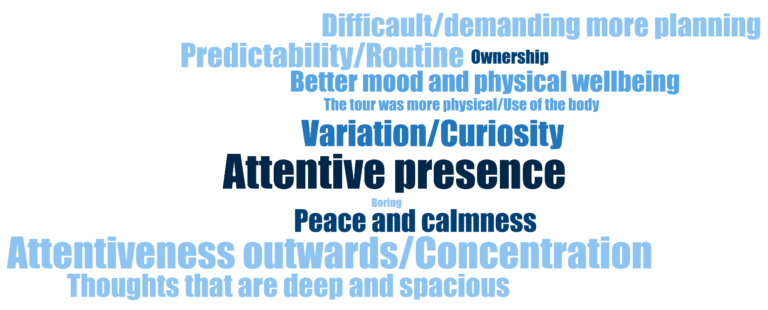
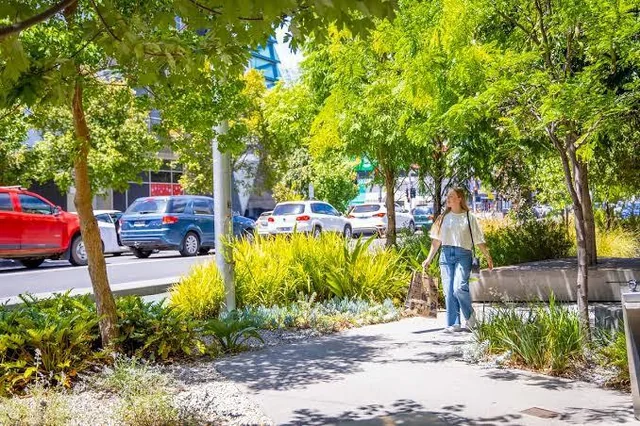
Biophilic design for walkable streets: Health-centred insights for urban action

How can we design walkable streets that promote health through nature?
This scoping review synthesises international and cross-cultural research—drawing from English and Chinese studies—to clarify intervention types and health mechanisms, offering an essential evidence base for healthier, more connected urban environments. Our findings reframe streets as inclusive, restorative spaces for health—not just transport infrastructure.

Read More »

What determines better neighbouring among affordable housing residents in Metro Vancouver, Canada

At the intersection of urban and public health policy, the success of higher-density affordable housing solutions to serve an inclusive well-being agenda depends upon reducing the association of these lifestyles and built environments with loneliness and social isolation. We construct a pro-neighbouring index and test its predictors using an ordinal logistic regression model based on resident survey data.

Read More »