Association between perceived quality and access to urban green spaces and loneliness in India

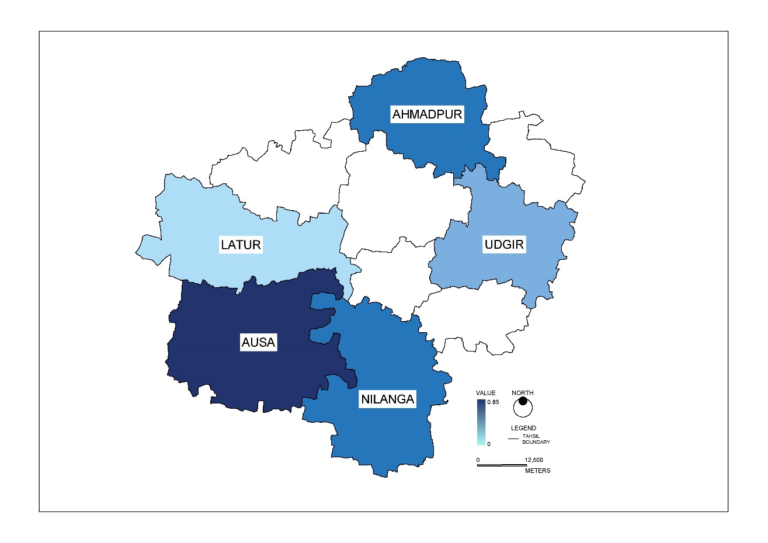
Our study explores how perceptions of urban green space quality and accessibility relate to loneliness in urban India. Findings show that subjective experiences, design features, and feelings of social exclusion shape engagement with green spaces. Inclusive, safe, and emotionally responsive green space design is crucial for reducing loneliness.Important to note; our study advances urban health and planning research by demonstrating that loneliness is shaped more by perceived quality and emotional experience of green spaces than by their physical presence alone.

Read More »

Building healthier cities in Saudi Arabia through greener urban futures

This research extends existing scholarship by contextualizing Healthy City principles within Saudi Arabia’s specific climatic conditions, demographic transitions, and centralized governance structures. Rather than advocating direct replication of international models, the study emphasizes learning from international experiences to inform context-specific strategies aligned with Vision 2030 and national sustainability priorities. By interpreting international experiences within Saudi urban realities, this work provides a geographically specialized and policy-relevant contribution to the discourse on sustainable and healthy urban development.

Read More »

Facilitating adaptation action: Interactive diagrams to support understanding and action on climate change 

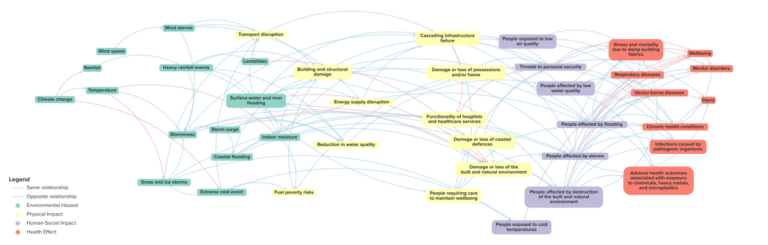
Climate change influences everybody in every sector. We gathered available evidence on the impacts of climate change and potential adaptations now and in the future in the UK. From this review, we developed systems diagrams that visualise the evidence in an accessible and interactive manner to facilitate the climate change planning process. These diagrams are part of the Local Climate Adaptation Tool (LCAT) which was co-produced with Cornwall Council and a National Stakeholder Group of local decision-makers. New interactive diagrams have been produced to show how and where climate change impacts occur, why they are interconnected, and their consequences on human health and wellbeing. These diagrams are part of the Local Climate Adaptation Tool (LCAT). 

Read More »

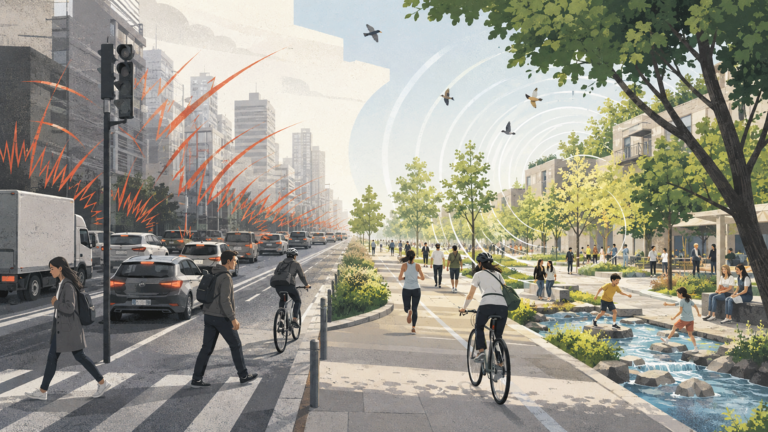
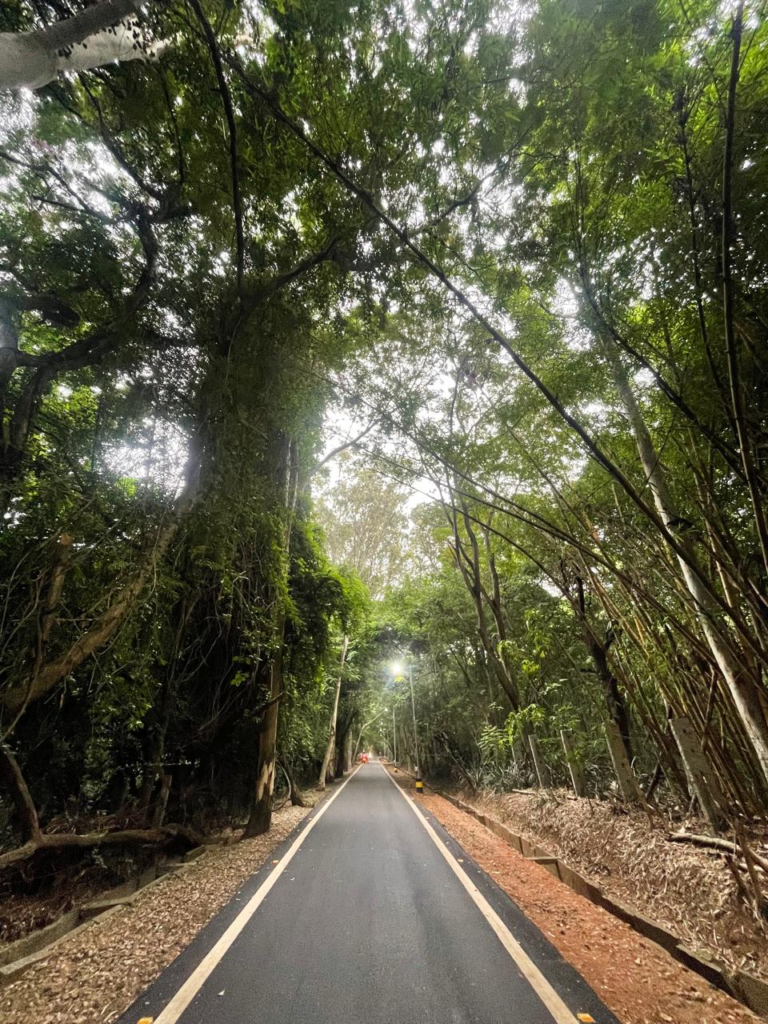
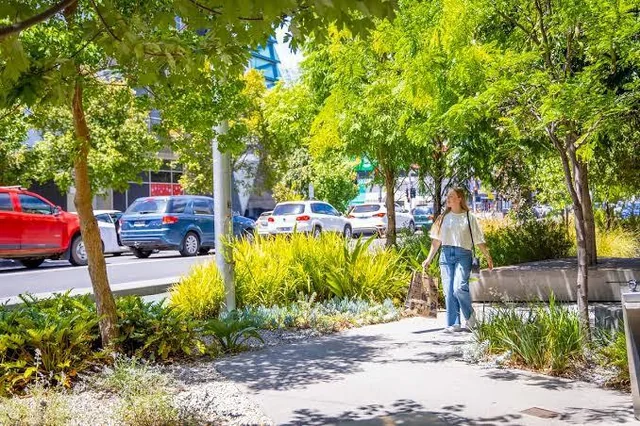
Biophilic design for walkable streets: Health-centred insights for urban action

How can we design walkable streets that promote health through nature?
This scoping review synthesises international and cross-cultural research—drawing from English and Chinese studies—to clarify intervention types and health mechanisms, offering an essential evidence base for healthier, more connected urban environments. Our findings reframe streets as inclusive, restorative spaces for health—not just transport infrastructure.

Read More »

Jakarta’s position in global health and sustainable city progress

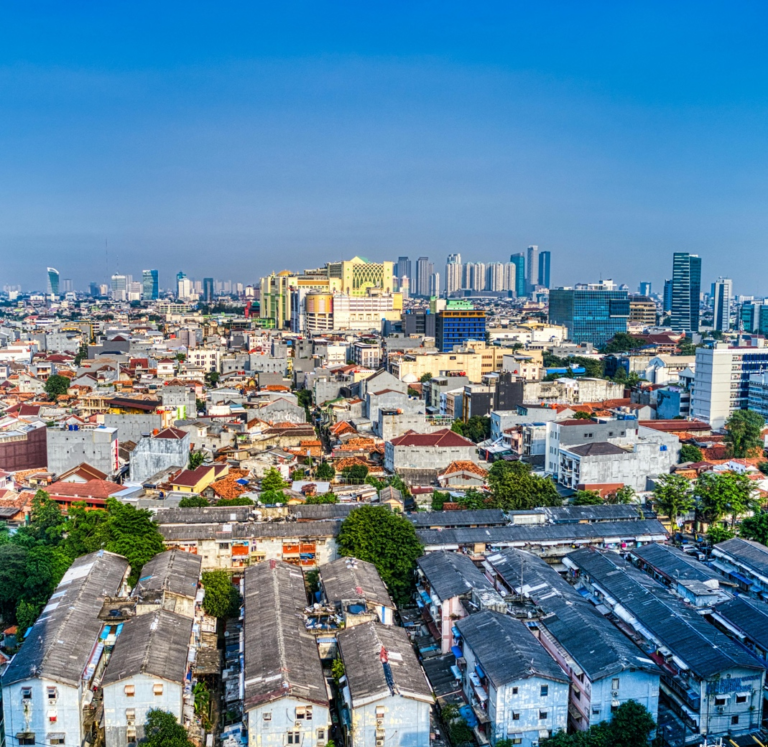
This pioneering study on healthy and sustainable indicators for Jakarta is the first in Indonesia to use the Global Healthy and Sustainable City Indicators framework. As the most populous city in Indonesia and Southeast Asia, Jakarta’s inclusion provides valuable insights into its status compared to 25 international cities. We offer a critical perspective on existing spatial indicators, highlighting the need for precise definitions and careful interpretation within the city’s local context. Additionally, we propose new indicators to help policymakers and public health officials develop more adaptable measures for urban health and sustainability.

Read More »

A framework to integrate health into urban climate policies: A city-level approach for better planning

Urban planning significantly impacts public health, yet health considerations are often overlooked in city development strategies. Climate change further exacerbates urban health risks, particularly in vulnerable regions. Despite growing recognition of the link between urban planning and health, cities lack structured methodologies to quantify and integrate health-related data into policy. Without systematic approach, cities struggle to identify disparities, allocate resources effectively, and create health-resilient urban environments. Addressing this gap is critical for sustainable urban development.

Read More »