

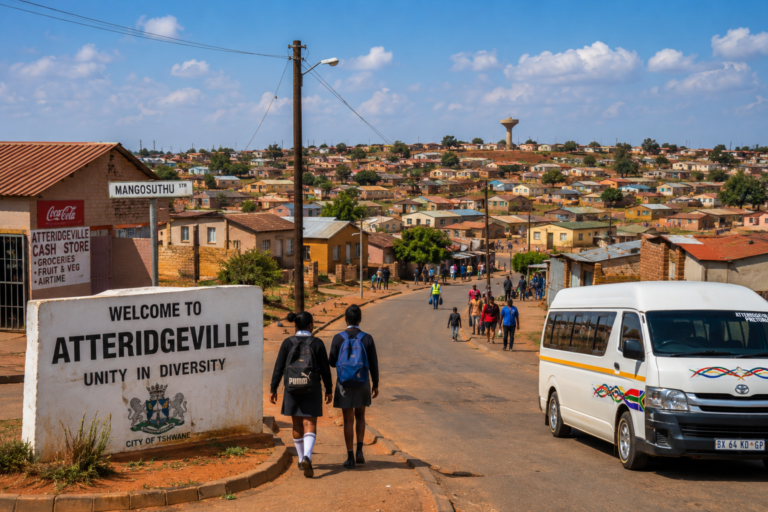
Extreme weather is not only a climate problem but also a housing problem. In Johannesburg’s low-income communities, where and how people live strongly shape who is affected when storms, floods, or heatwaves strike. This study shows why housing quality must be central to city climate planning.
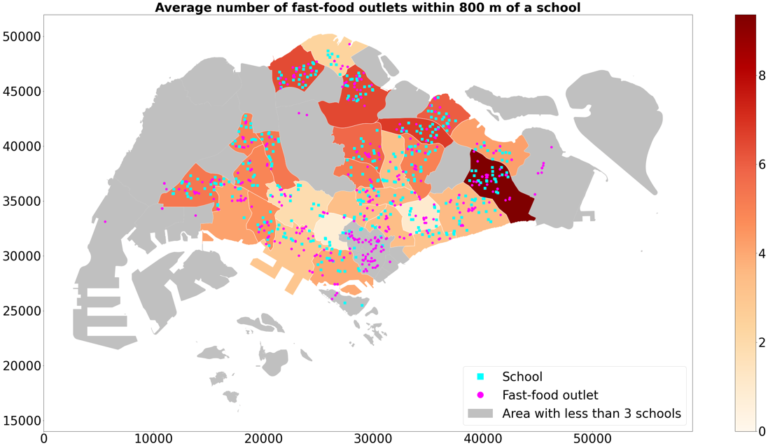
Childhood obesity is a growing concern globally, influenced not only by individual choices but also by the environments in which children live and learn. In dense urban settings like Singapore, the widespread availability of fast-food outlets near schools may expose children to unhealthy food options daily. We investigate the spatial clustering of fast-food outlets around schools across Singapore, focusing on how the pattern varies by neighbourhood income and school type, revealing significant socio-spatial health inequalities.
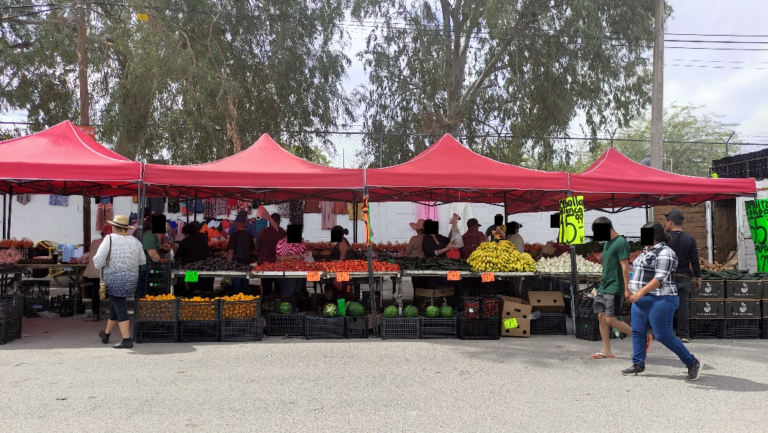
Understanding how mobility capacity and socioeconomic level, rather than mere proximity to food stores, significantly shapes access to healthy food can provide valuable insights for enhancing proximity-based planning for healthy eating. Given the diverse socioeconomic and food culture contexts worldwide, region-specific research is essential for informed urban planning decisions.
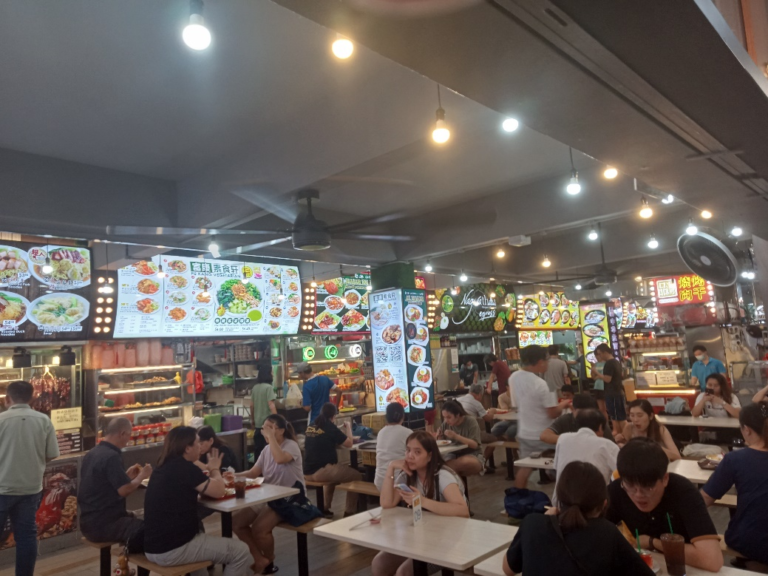
Singapore has one of the highest healthy life expectancies and has comparatively low levels of overweight and obesity. It is also renowned for its far-sighted comprehensive urban planning. Our research examines links between the two.
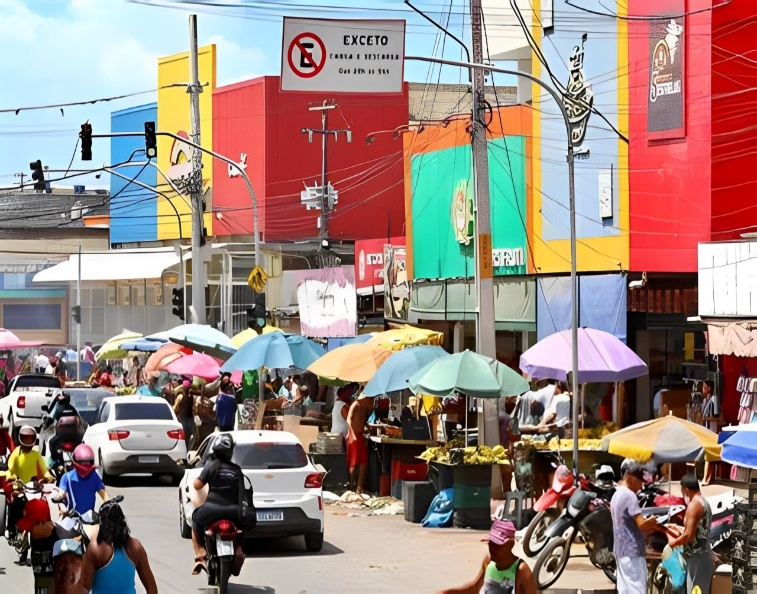
Establishments that primarily sell ultra-processed foods were twice as concentrated at 800m from the households when compared to 1600m, demonstrating the excess of supply of these products closer to individuals in food insecurity. The low availability of natural/minimally processed food establishments in the two metrics evaluated, portrays the low supply of foods directly associated with health, well-being and quality of life.
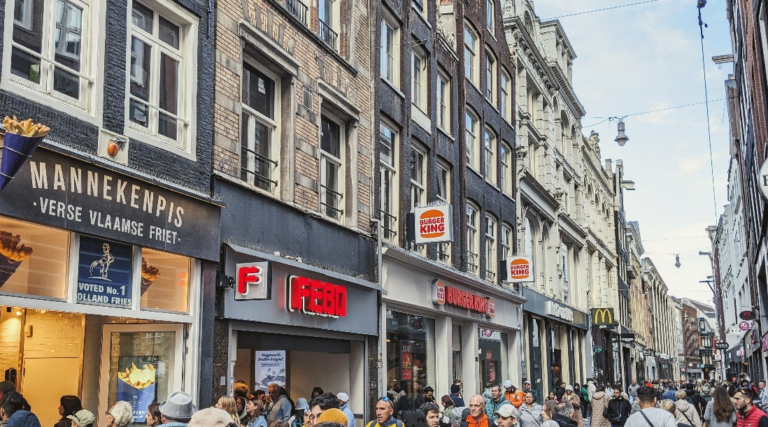
Dutch adults often use different food retailers than the geographically nearest, and distance to food retailers is not associated with snack food consumption. As such, policies to make cities healthier with respect to fast food outlets should perhaps not be distance-based.
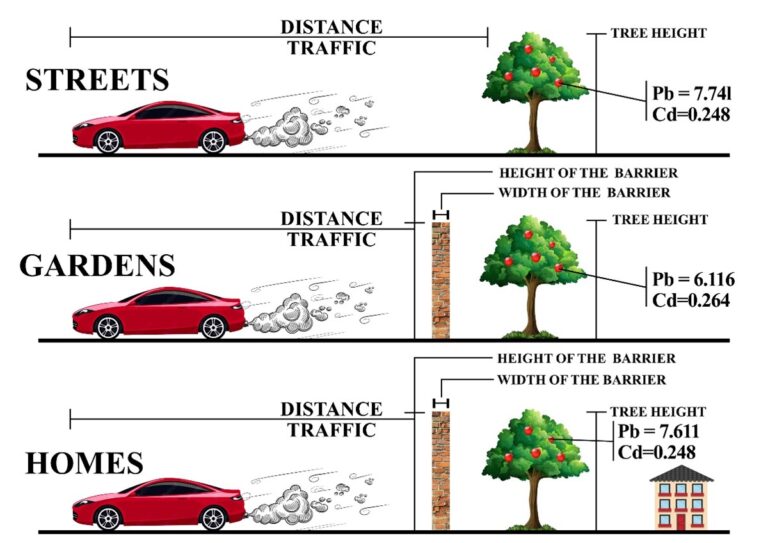
This study in Tehran examined how barriers, tree height, street proximity, and fruit type affect metal content. Results showed sites taller than 10 meters exhibited the highest cadmium levels, while barriers and proximity to streets influenced lead levels. Understanding these factors is crucial for designing safe edible green infrastructure.
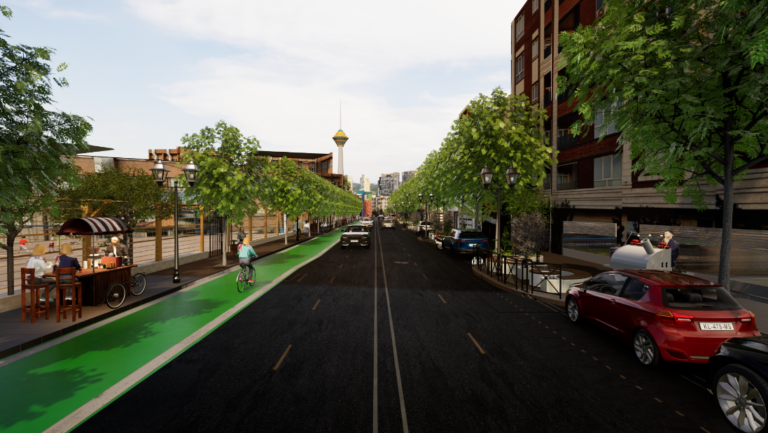
Walking is one of the simplest ways to support health, but people only walk when streets feel comfortable, safe, and attractive. Our study shows that small design choices at the street level can strongly shape walkability, and that immersive virtual reality can help cities test these choices before making expensive changes.

COVID-19 altered our access to our communities, physical activity levels and social interactions. For people living with dementia, this was even more acute and problematic. This is the first study to center their perspectives in understanding how the neighborhood impacted their pandemic experiences and offers insights for future planning.