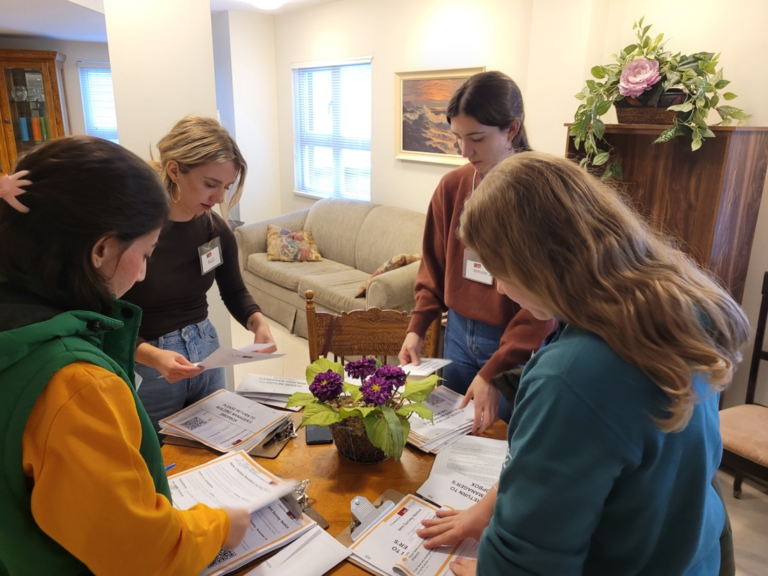
Can urban planners and designers fight depression? 

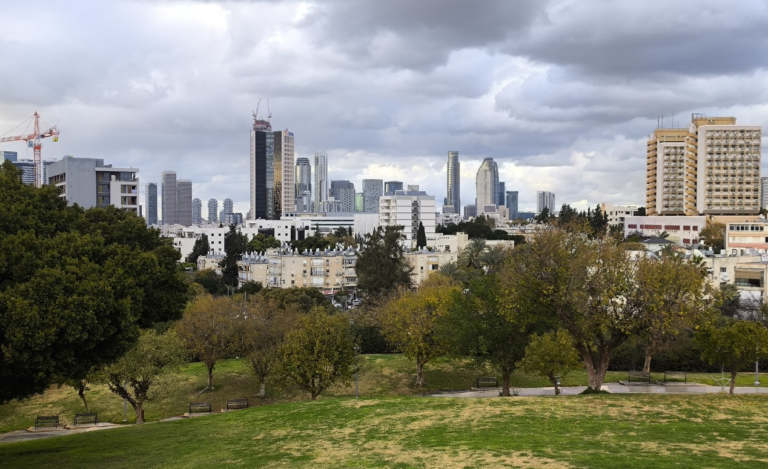
This study analysed thirteen neighbourhoods across four Israeli metropolitan cities from a cross-typological perspective to identify meaningful depression patterns and their links to neighbourhood design. The study suggests that while it is clear that urban planners cannot control all features associated with depression, they have at least the power to address the physical features associated with the neighbourhood, such as densities, street networks, building forms, and open spaces.

Read More »

Public life in Tehran, during and after the pandemic

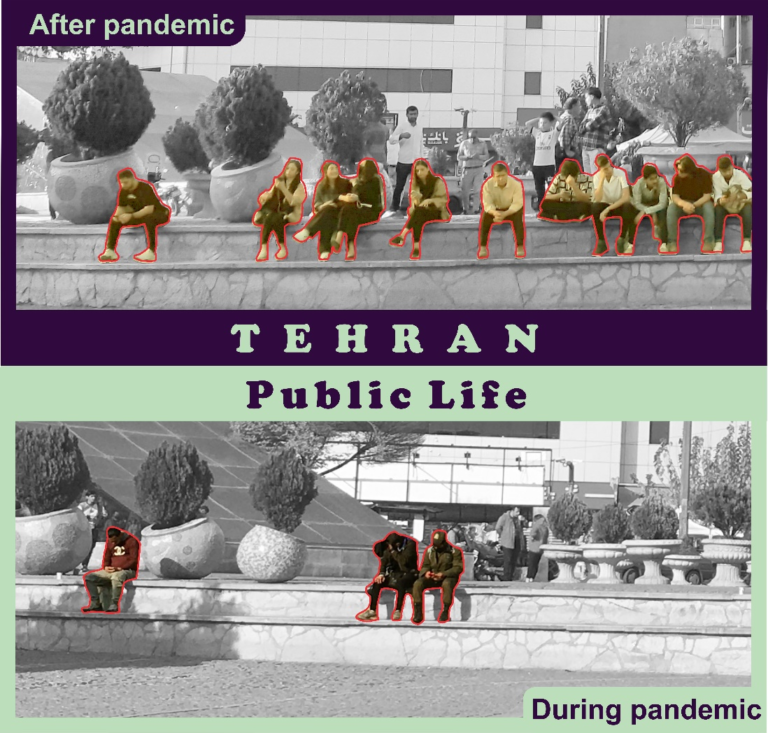
Our work shows the suitability of using Gehl and Svarre methods even during unexpected situations like the pandemic to study public life. Furthermore, the results provide a comprehensive view of public life in Tehran which has not been done before. This study shows the importance of plazas and urban green spaces during the pandemic for maintaining the public life and people’s physical activity.

Read More »

What determines better neighbouring among affordable housing residents in Metro Vancouver, Canada

At the intersection of urban and public health policy, the success of higher-density affordable housing solutions to serve an inclusive well-being agenda depends upon reducing the association of these lifestyles and built environments with loneliness and social isolation. We construct a pro-neighbouring index and test its predictors using an ordinal logistic regression model based on resident survey data.

Read More »

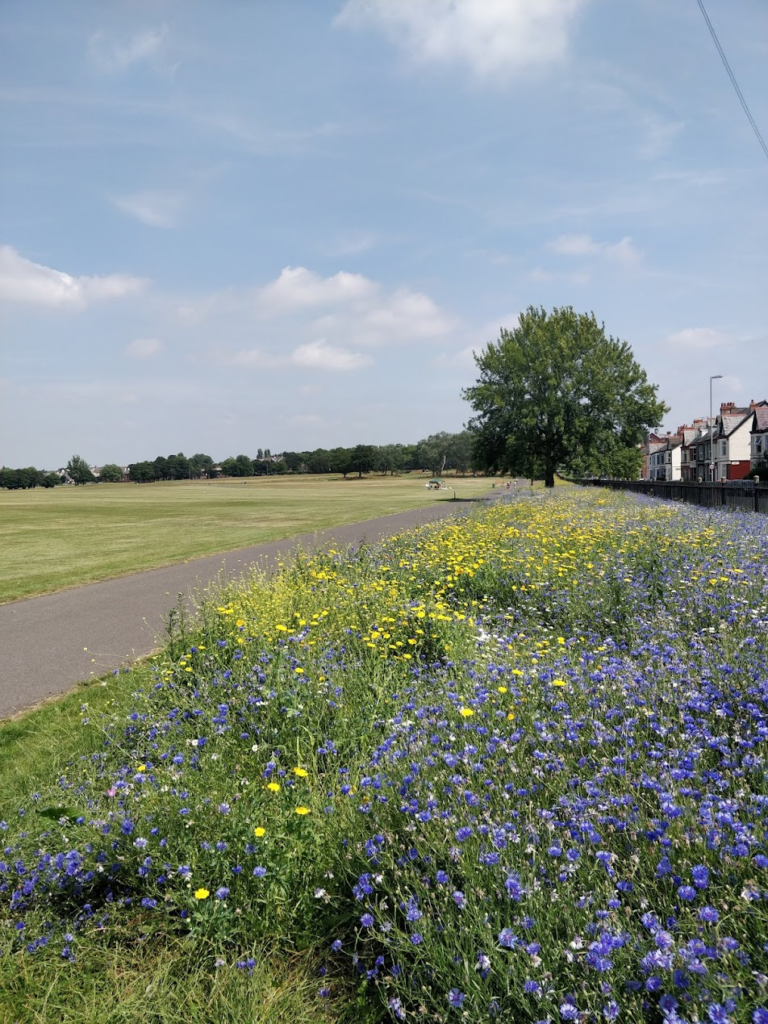
Opportunities and challenges of using mobile phone data for evaluating placed-based interventions: A green space pilot

There is limited evaluation of whether green space interventions lead to more people using these spaces. This is partly due to the difficulty of collecting data on visits to green spaces. Mobile phone data may offer one solution, but are rarely made available to researchers. As such, there is less examination of whether these data are valuable. We accessed small area anonymised mobile phone GPS data for Liverpool (2021-2022). Using a case study of wildflower planting, we identified green spaces where wildflowers were planted. A synthetic control was then constructed to identify similar green spaces where planting did not take place. We then compared the number of visits post-intervention between the intervention and control green sites. Our paper also gives an empirical and methodological evaluation of the strengths and weaknesses of using mobile phone data, which can inform others on how to best use them.

Read More »

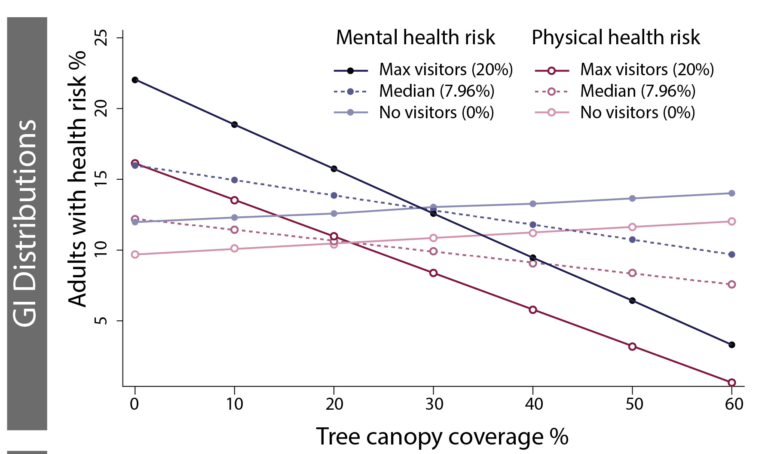
The benefits of green infrastructure on campus for student and visitor health

For city planners and policymakers, increasing the tree canopy coverage stands out as the most promising green infrastructure planning/management strategies to contribute to health of campus communities/users. The tree canopy data are also more widely available than most other green infrastructure variables, making its use for the purpose of monitoring, intervention, and assessment feasible for various stakeholders.

Read More »

Heightened feelings of exclusion contribute to young people’s growing detachment from urban green spaces

Our research studies how 16-25-year-old Londoners’ perceptions of parks management practices affect their use of these public spaces. Our aim was to address a knowledge deficit regarding the role of spending time in green space and young people’s mental wellbeing. For policymakers and practitioners aiming to manage parks as health infrastructure, this information is essential, given this cohort is at a critical developmental stage for building mental health resilience.

Read More »

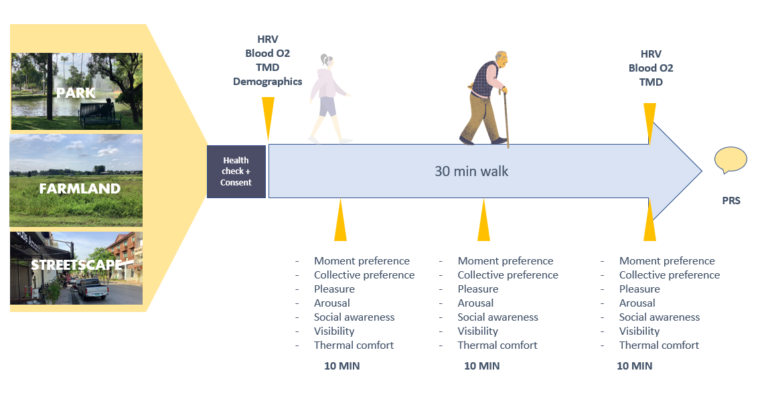
Where to walk when we are old: experiments in Taiwan and the USA

Our study highlights the importance of green spaces in urban areas for enhancing the well-being of older adults. It reveals significant benefits of nature walks over urban street walks and underscores the need for gender-sensitive urban design.
• Green spaces improve mood and perceived restorativeness.
• Women benefit more from nature walks, especially in urban streets.
• People from different cultures may benefit from nearby nature slightly differently.

Read More »