Understanding healthy city assessment tools for better local decisions

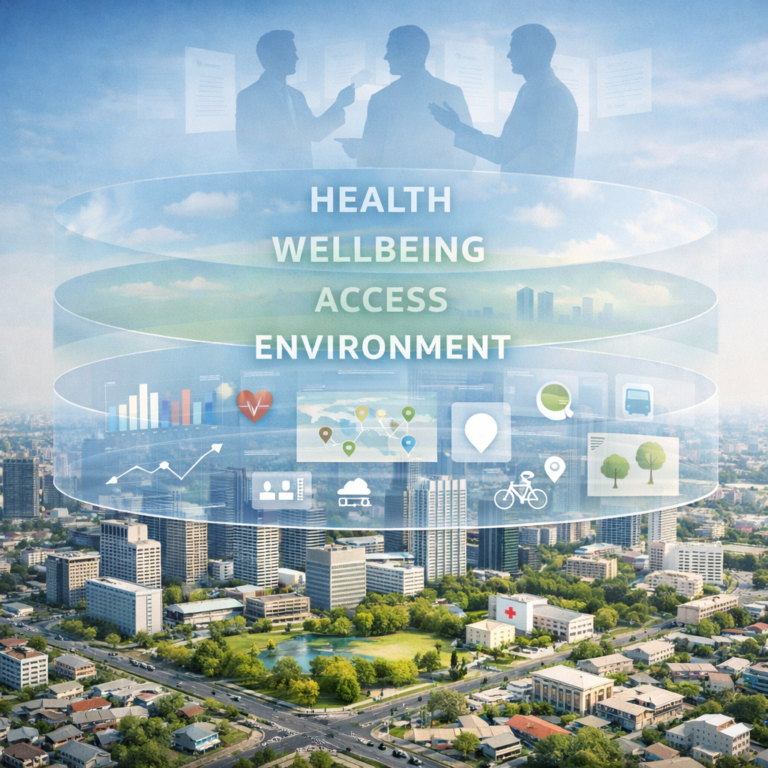
Cities increasingly rely on assessment tools to understand whether neighbourhoods and urban systems support health and wellbeing. Yet results can depend on which tool is used. We examined fourteen widely used health assessment tools using a structured analytical framework. Our study shows that divergence is not primarily about which indicators are included, but about how tools operate across multiple layers.

Read More »

Bio-reconciliation: Dialectics for healthier, equitable urban futures – Biophilia and Biophobia

I diagnose urbanization’s toll: 60% of city dwellers face stress-related morbidity, which biophilic design aims to curb; yet my 100-study review reveals biophobia’s backlash, like glare spiking cortisol 10%. This dialectic, rooted in evolutionary and urban disconnect, exacerbates health inequities e.g., 30% higher stress in underserved areas —demanding my evidence-based, Hegelian synthesis to recalibrate architecture for resilience.

Read More »

Empowering remote working for women through mobility justice

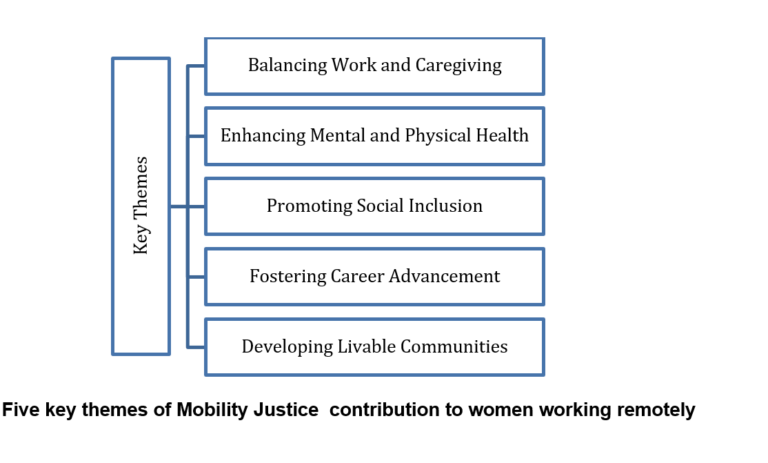
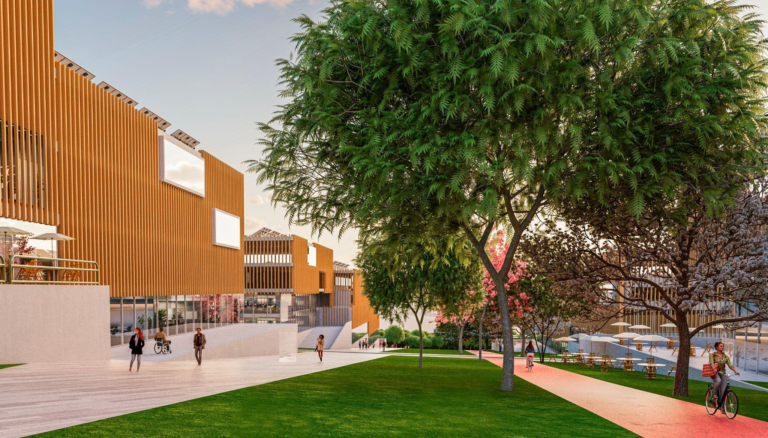
Mobility justice can help ensure that remote-working women have equal access to transportation and urban amenities, supporting their well-being and career advancement. This research explores the unique mobility needs of this growing population and recommends planning strategies to create more inclusive and equitable cities.

Read More »

Walkable Campuses: Tactical urbanism and complete streets in Brazilian knowledge territories

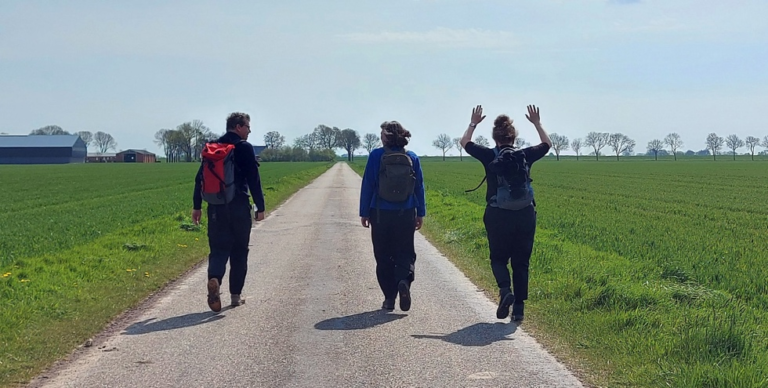
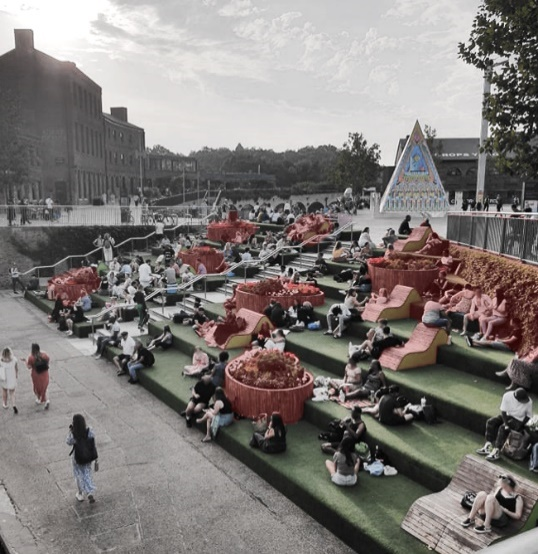
Exploring complete streets implementation in knowledge production territories, this research examines the potentials and limitations of using campuses as living labs, applying tactical urbanism. It identifies the opportunities for enhancing walkability and inclusivity and the challenges, e.g. regulatory issues and limited funding, stressing the role of governance and community engagement.

Read More »

The urban health crisis: How city living is quietly fueling the world diabetes crisis

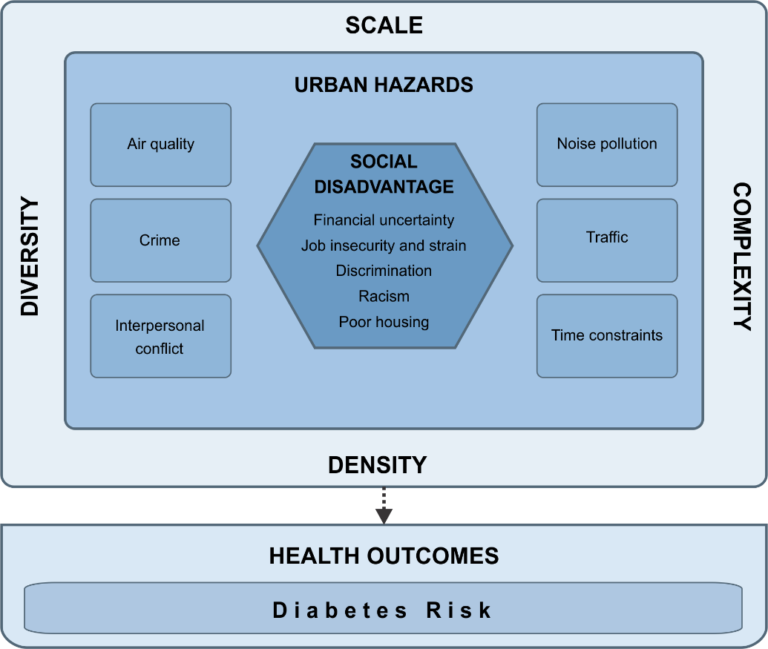
We present a novel conceptual framework called the Urban Stress Model, which intentionally crosses disciplinary boundaries. We suggest that the unique physical form of cities contributes to an increased stress burden through the interacting influences of daily urban hazards and social disadvantage. We use New York City as a case example because of its high diabetes rates and its legacy of unequal healthcare in the context of concentrated wealth. Therefore, New York City can provide valuable insights for newly developing urban centers worldwide confronting similar challenges and growing social and health inequality.

Read More »

Restorative urban wildness for people, biodiversity and urban ecosystems health

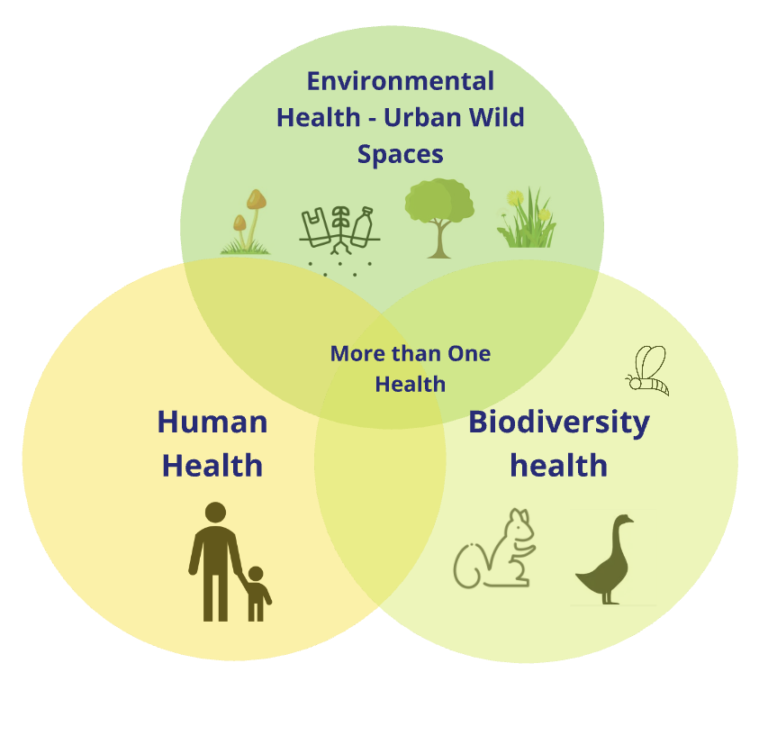
What if urban health went beyond human wellness? Through our more-than-One Health conceptualization, we explored urban wild spaces as places where the health and flourishing of humans, animals, and ecosystems intertwine. This approach provides new insights into designing cities that are not just green, wild, but interconnected as restorative habitats for human and non-human health.

Read More »

How can we reconnect mental and urban health?

Our study found that community place-based initiatives involving the public and private sectors can provide public spaces, such as public parks and communal gardens, that are appropriate for reconnecting mental and urban health using the concept of co-benefit endorsed by the World Health Organization in 2011. We examined this concept in large projects in Seoul and Singapore to show the advantage of intersectoral collaboration for reconnecting mental and urban health initiatives by urban planning.

Read More »

Implementing agoraphobia-responsive urban design

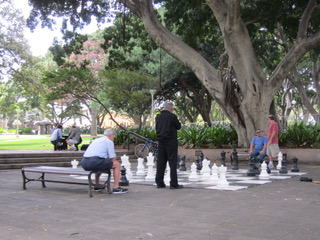
Discover how integrating agoraphobia-responsive elements into urban design and planning can transform public spaces into safer, more inclusive environments. This study reveals practical strategies that enhance psychological comfort and accessibility in city landscapes.

Read More »