

Food behaviours vary by dwelling type, and by apartment characteristics

Food behaviours are associated with diet quality, a major risk factor for chronic disease. We compared the food behaviours of house residents and apartment residents, and apartment residents by characteristic. We found significant differences in meal purchasing behaviours and consumption of fruit and vegetables, which have short- and long-term implications for dietary health.

Read More »

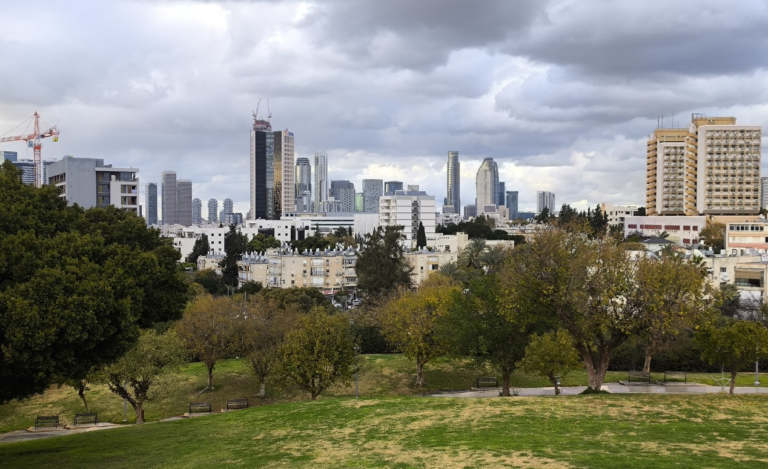
Can urban planners and designers fight depression? 

This study analysed thirteen neighbourhoods across four Israeli metropolitan cities from a cross-typological perspective to identify meaningful depression patterns and their links to neighbourhood design. The study suggests that while it is clear that urban planners cannot control all features associated with depression, they have at least the power to address the physical features associated with the neighbourhood, such as densities, street networks, building forms, and open spaces.

Read More »

Association between perceived quality and access to urban green spaces and loneliness in India

Our study explores how perceptions of urban green space quality and accessibility relate to loneliness in urban India. Findings show that subjective experiences, design features, and feelings of social exclusion shape engagement with green spaces. Inclusive, safe, and emotionally responsive green space design is crucial for reducing loneliness.Important to note; our study advances urban health and planning research by demonstrating that loneliness is shaped more by perceived quality and emotional experience of green spaces than by their physical presence alone.

Read More »

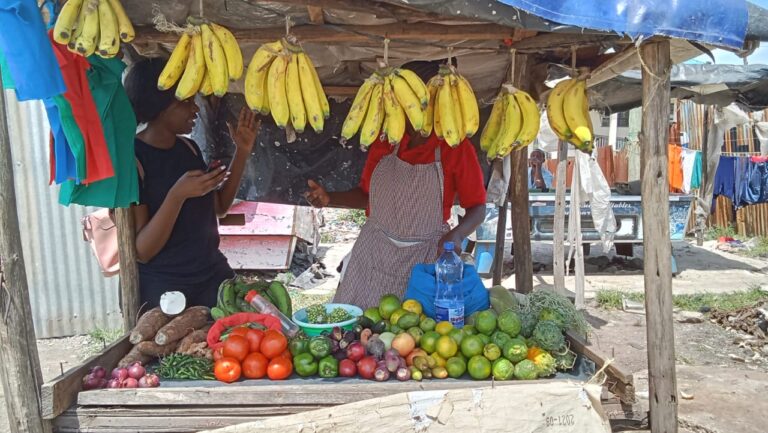
Constraints, compromises and decision-making: What drives healthy and unhealthy diets in Urban Informal Settlements

We examined the factors that limit and enable the uptake of healthy diets among urban populations with multiple socio-economic vulnerabilities. By exploring the interconnected economic, social and environmental influences, we aimed to generate context-specific evidence that can inform effective and targeted action to support progress towards achieving global nutrition targets in the context of triple burden of malnutrition and increasing concern on high incidences of diet-related diseases in rapidly urbanizing areas.

Read More »

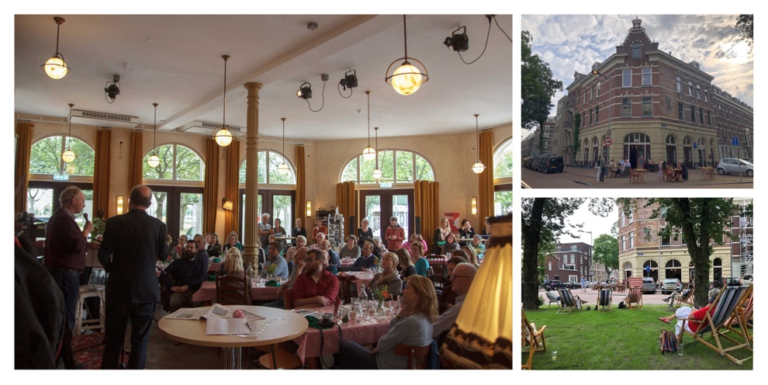
How Verhalenhuis Belvédère keeps Katendrecht connected: Participation, recognition, solidarity

Verhalenhuis Belvédère demonstrates how community-led, culturally rooted public spaces bolster neighbourhood resilience during urban renewal by combining participatory co-creation, flexible programming, recognition, and memory work. More broadly, examples like this show how a socio-spatial triad—spatial agency, networked solidarity, and identity grounding—can help protect neighbourhood identity and strengthen lasting social infrastructure in diverse communities.

Read More »

Where do older people in China want to live as they grow old?

The image of older people in China preferring to live with their children is not uniformly the case, particularly for those with the most resources, and with fewest. Not enough is known about preferences for what kinds of places older Chinese want to live in, including the design, location, and tenure of homes.

Read More »