Building healthier cities in Saudi Arabia through greener urban futures

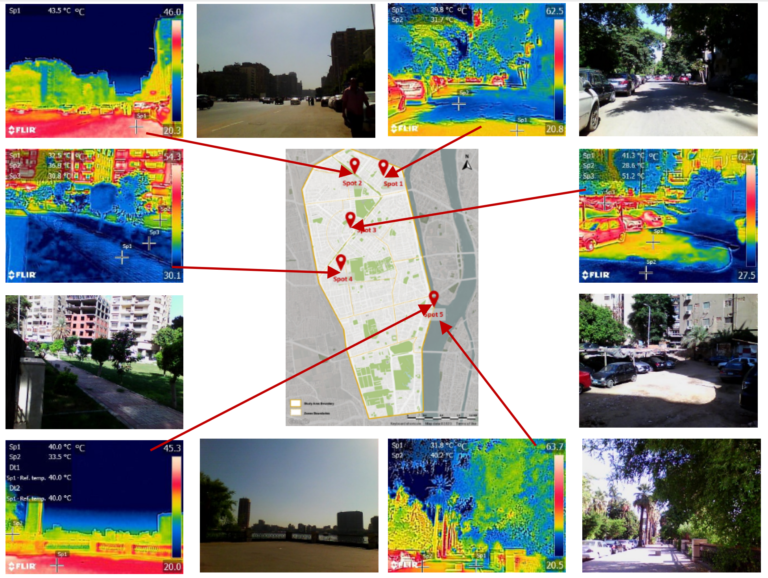
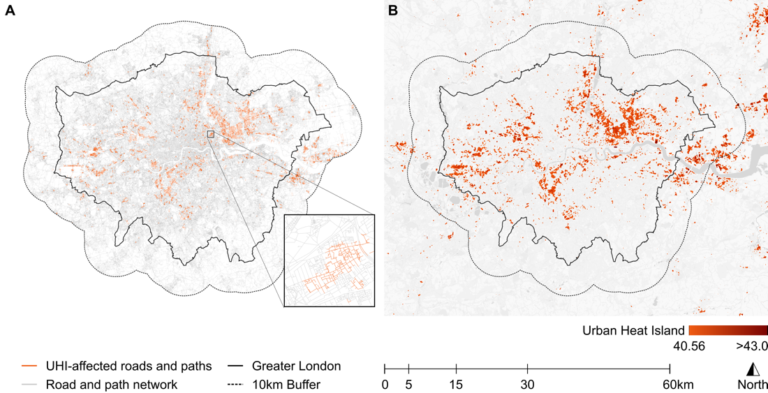
This research extends existing scholarship by contextualizing Healthy City principles within Saudi Arabia’s specific climatic conditions, demographic transitions, and centralized governance structures. Rather than advocating direct replication of international models, the study emphasizes learning from international experiences to inform context-specific strategies aligned with Vision 2030 and national sustainability priorities. By interpreting international experiences within Saudi urban realities, this work provides a geographically specialized and policy-relevant contribution to the discourse on sustainable and healthy urban development.

Read More »

The first overview of a now deleted federal program planning for climate change and public health: The Climate Ready State and Cities Initiative

Anthropogenic climate change is bringing with it a whole host of deleterious public health impacts. People will die and suffer disproportionately following inequitable societal structures. With every passing year time to mitigate and adapt to anthropogenic climate change slips away. The time is now to deliberately plan for the health impacts that are now ‘baked in’ for centuries to come.

Read More »

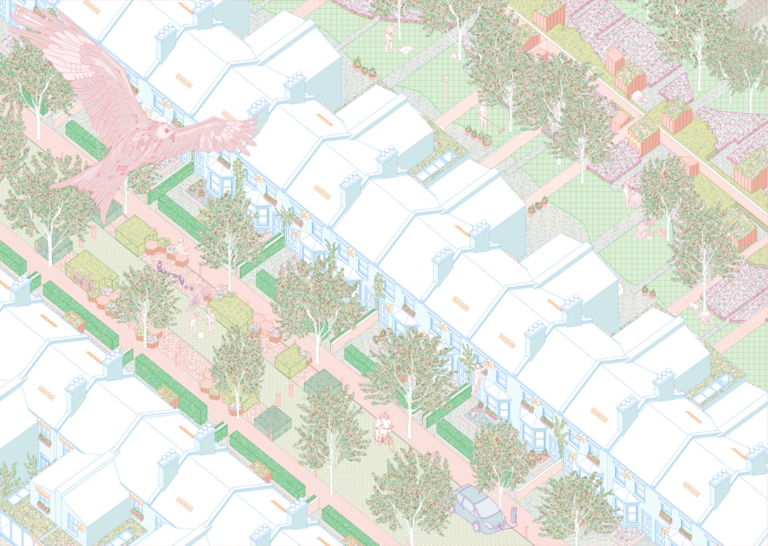
Biophilic design for walkable streets: Health-centred insights for urban action

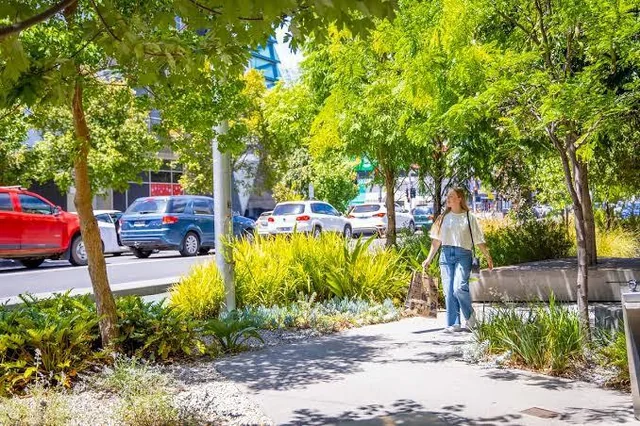
How can we design walkable streets that promote health through nature?
This scoping review synthesises international and cross-cultural research—drawing from English and Chinese studies—to clarify intervention types and health mechanisms, offering an essential evidence base for healthier, more connected urban environments. Our findings reframe streets as inclusive, restorative spaces for health—not just transport infrastructure.

Read More »

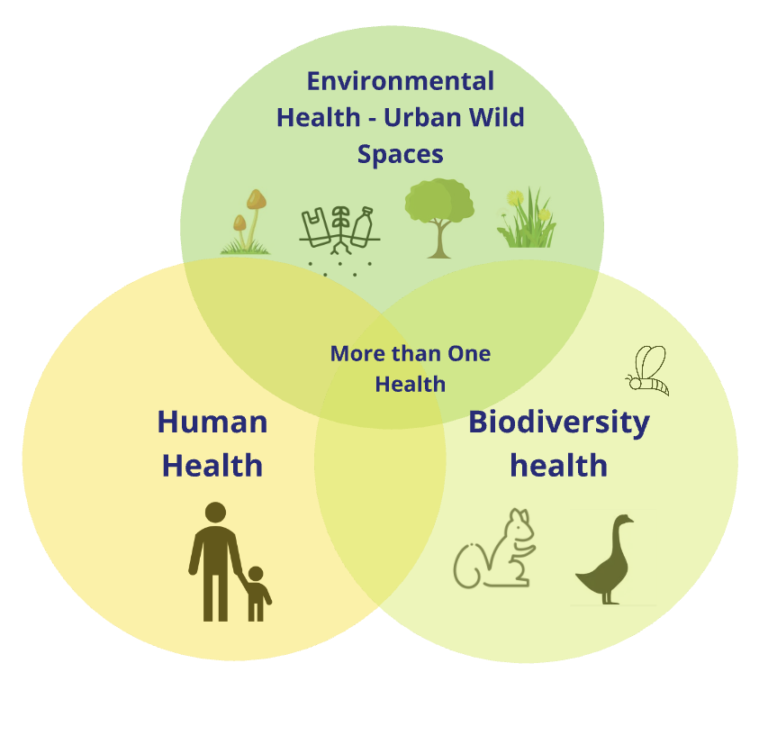
Restorative urban wildness for people, biodiversity and urban ecosystems health

What if urban health went beyond human wellness? Through our more-than-One Health conceptualization, we explored urban wild spaces as places where the health and flourishing of humans, animals, and ecosystems intertwine. This approach provides new insights into designing cities that are not just green, wild, but interconnected as restorative habitats for human and non-human health.

Read More »

The Emerald Isle or a Green Desert? Gardens as sites for city greening 

To create cities where both nature and humans thrive, the research outlines how city gardens are interconnected with the surrounding countryside and coast. A hands-on approach is needed to bring more nature into gardens through combining disciplines such as 1) environmental psychologists (unearthing different types of gardeners) 2) the horticultural industry (the know-how) and 3) the marketing/advertising industry (the storytellers). Aggregated actions of domestic gardeners could help policy-makers push for improved biodiversity restoration.

Read More »

Wild Ways: influencing ‘rewilding’ behaviour in urban gardens

We reviewed the existing research on influencing rewilding behaviour by city residents in their gardens. We used a behaviour-change model to identify intervention and policy strategies that affect residents’ rewilding behaviour. We found that all intervention and policy categories were effective, requiring action across many organisations and areas to drive change.

Read More »