


Biophilic design for walkable streets: Health-centred insights for urban action
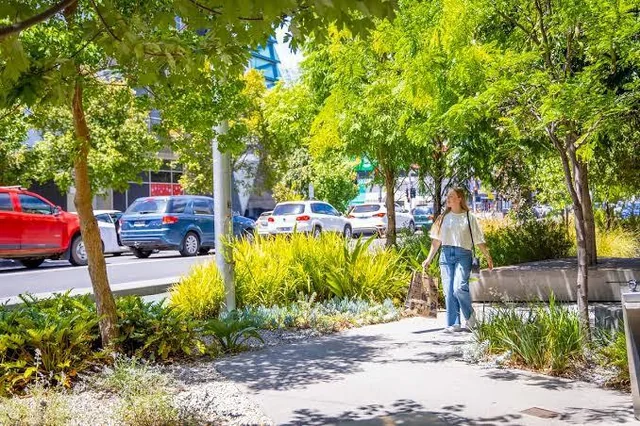
How can we design walkable streets that promote health through nature?
This scoping review synthesises international and cross-cultural research—drawing from English and Chinese studies—to clarify intervention types and health mechanisms, offering an essential evidence base for healthier, more connected urban environments. Our findings reframe streets as inclusive, restorative spaces for health—not just transport infrastructure.
From lockdowns to recovery: COVID-19’s lasting impact on cities

Before COVID-19, we freely used lively streets and public spaces. The pandemic emptied them and changed how people perceived urban life. Places once full of joy became empty and fearful. Our study examines COVID-19’s impact on three key dimensions of urban design and offers lessons for building healthier, more resilient cities.
Social and spatial predictors of winter outdoor engagement among older adults

This study investigates how severe winter conditions affect the outdoor activity of older adults in Erzurum, Türkiye—a city known for its long and harsh winters. Based on a quantitative survey with individuals aged 65 and above, a binomial logistic regression model was used to identify key predictors of outdoor activity avoidance.