


An exploration on the transition of third places’ role from pre-retirement to retirement
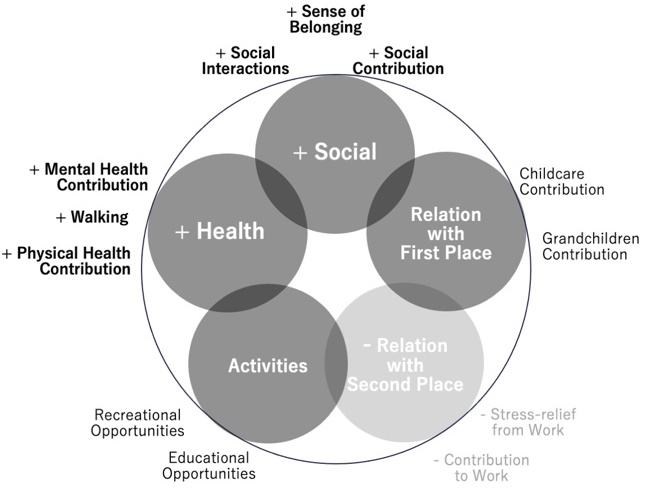
Our research provides new evidence for the importance of third places in supporting retirees’ well-being and social engagement. We found that these spaces can play a significant role in fostering a sense of belonging, improving mental and physical health, and facilitating social interactions.
Associations between adolescents’ perceptions, individual and built environment factors regarding active travel to school
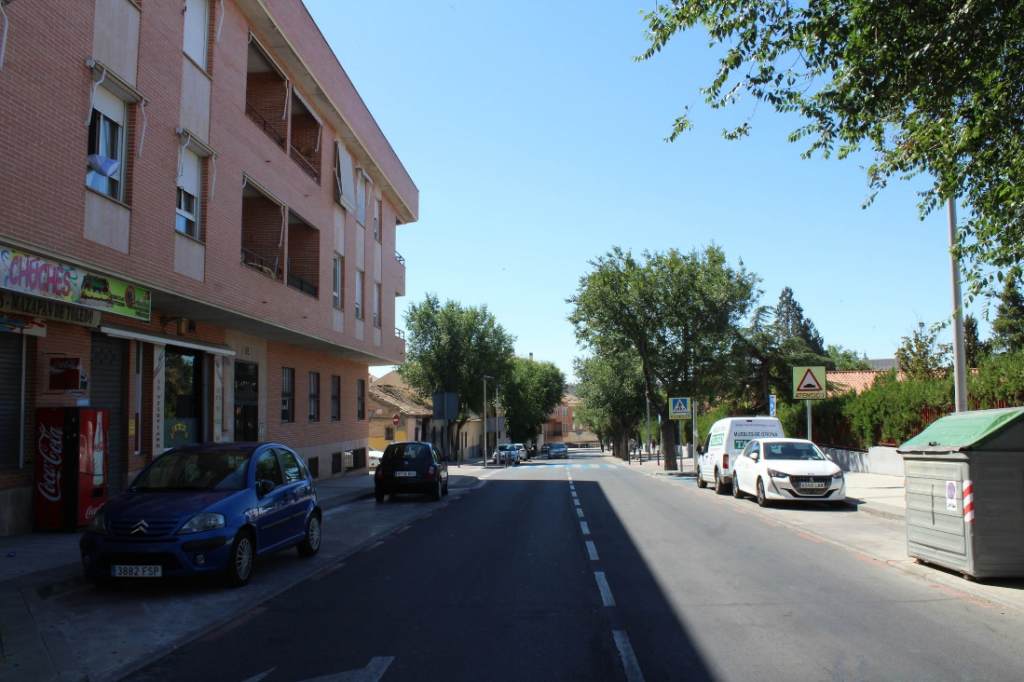
We explored the factors that can encourage walking and cycling to school from the adolescents’ perspective, considering individual and built environment factors as well. Travel mode selection, companionship, desired mobility autonomy, and perceptions of pedestrian and cyclist safety regarding traffic were relevant and interconnected.
Designing pedestrian-friendly urban spaces in specific cultural and geographic contexts
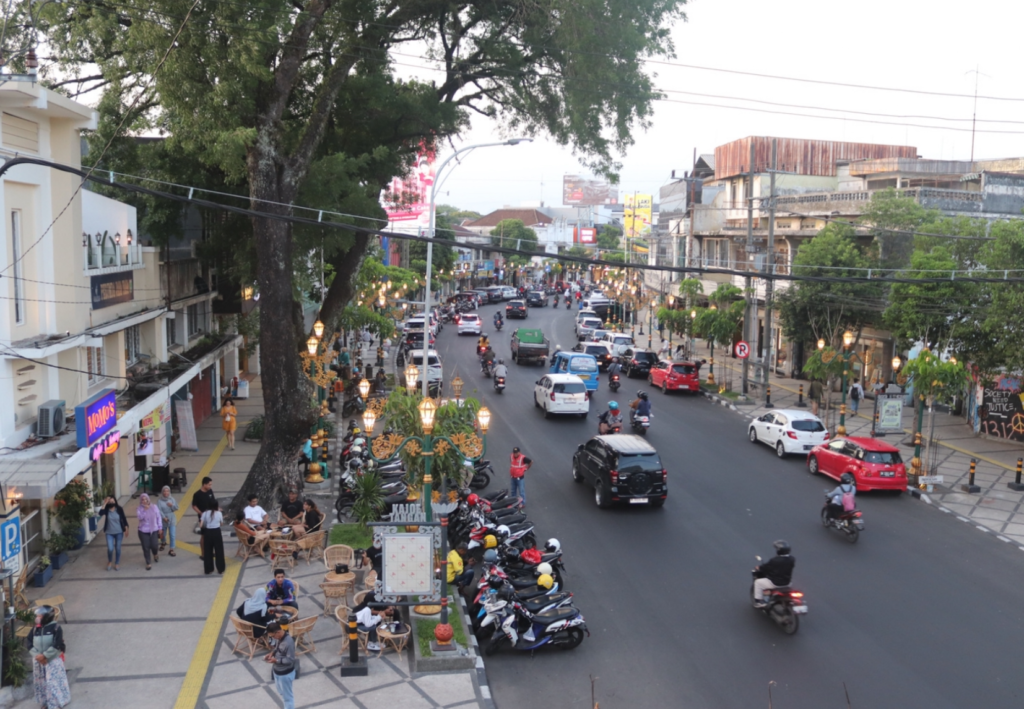
This study addresses the need for a more nuanced understanding of how urban design influences people’s walking habits in the Global South through case studies in Indonesia. Understanding the intriguing relationship between the built environment, personal perception, and walking behaviour is critical for designing more walkable, healthy, and sustainable cities.