

Intensive walking with local stakeholders as a research method to analyze rural areas and achieve a more sustainable future
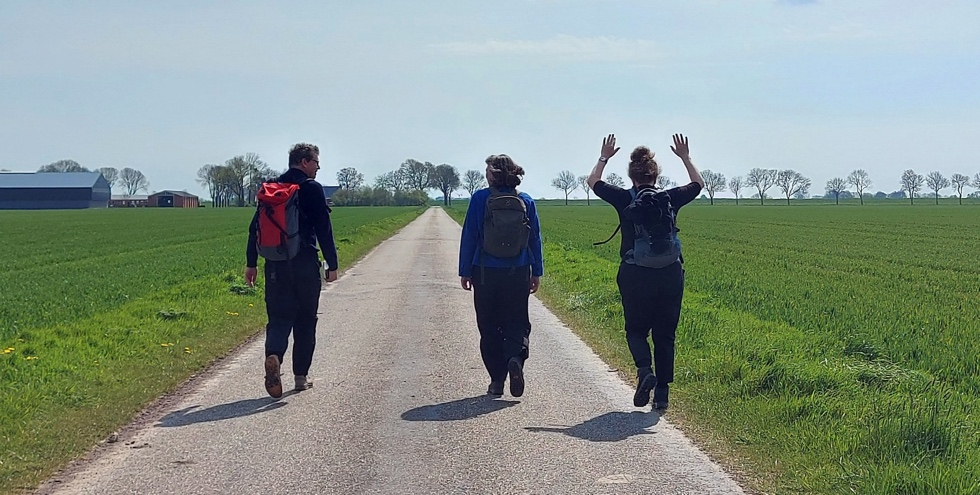
Our study is meant as a provocation for planners to “start walking again” and understand sites, places, and context by observing and listening. Walking is a way to collect diverse stakeholders’ insights and expands a vision. Walking is a cry for sustainability.
How can third places within walking distances support people’s happiness?
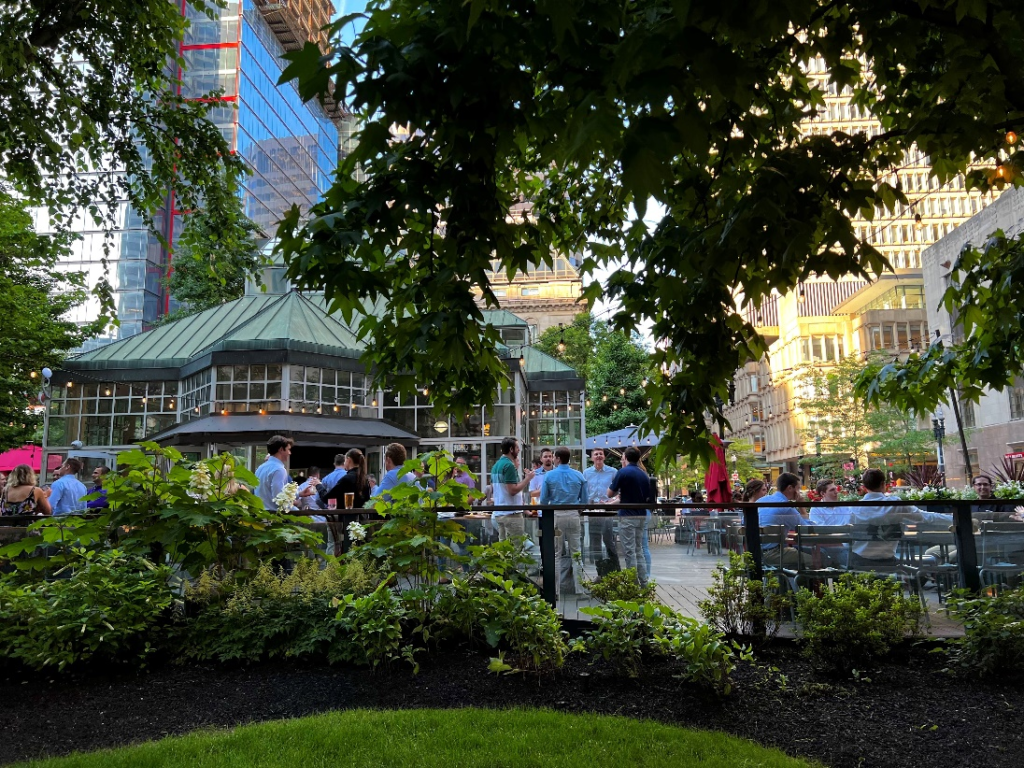
This study aimed to delve into the significance of neighborhood walkability and the accessibility of third places in bolstering community well-being. It scrutinized the influence of walkable designs and convenient access to third places on the emotional well-being of community members. Moreover, the research utilized tweets to gauge the frequency of positive sentiments as a proxy for measuring happiness levels within the community.
Manageable slices through the city: walkable space supporting mobile, democratic and dynamic clinics

Mental health needs are poorly understood in the development and management of public space. However, people recovering from health issues such as psychosis need to use city space in their everyday lives. We note that large sites in city centres continue to be made available. As such their redesign and management needs to factor in these broader needs. There will be further benefits to people with conditions such as anxiety, depression and autism.