


Aligning active mobility and active aging: Challenges in designing age-friendly cities in Portugal
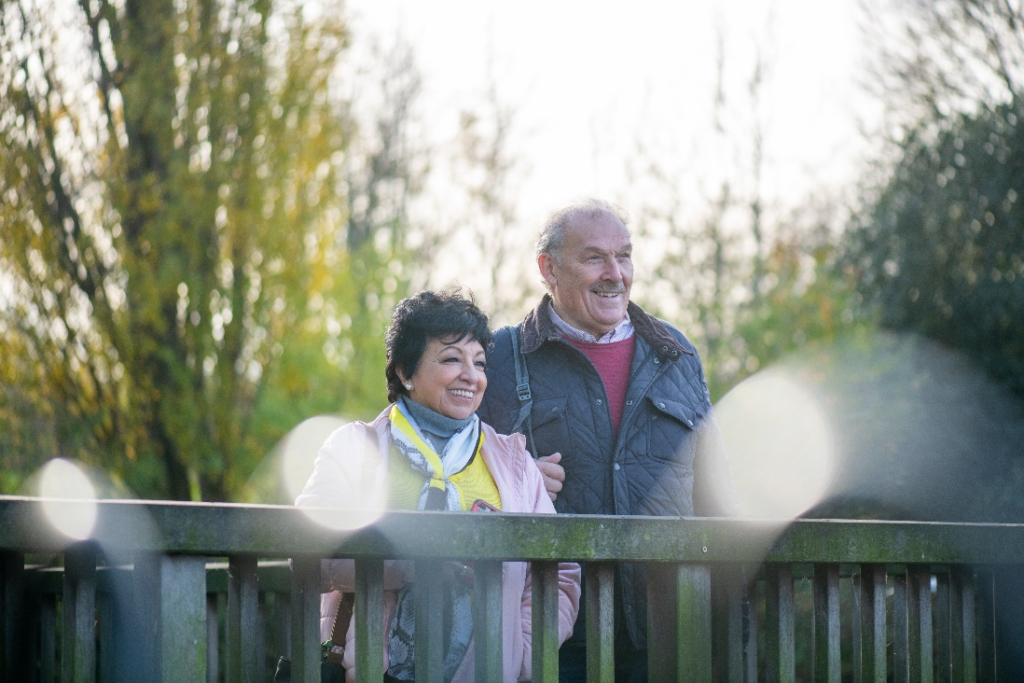
Experts agree that the planning of public space in light of new active mobility trends and policies has not properly taken into account the active aging policies and the context of older people as users, especially in the construction of a barrier-free and safe environment. Only through the alignment of active mobility and active ageing policies is it possible to respond to the needs and to include people of all ages
Empowering remote working for women through mobility justice
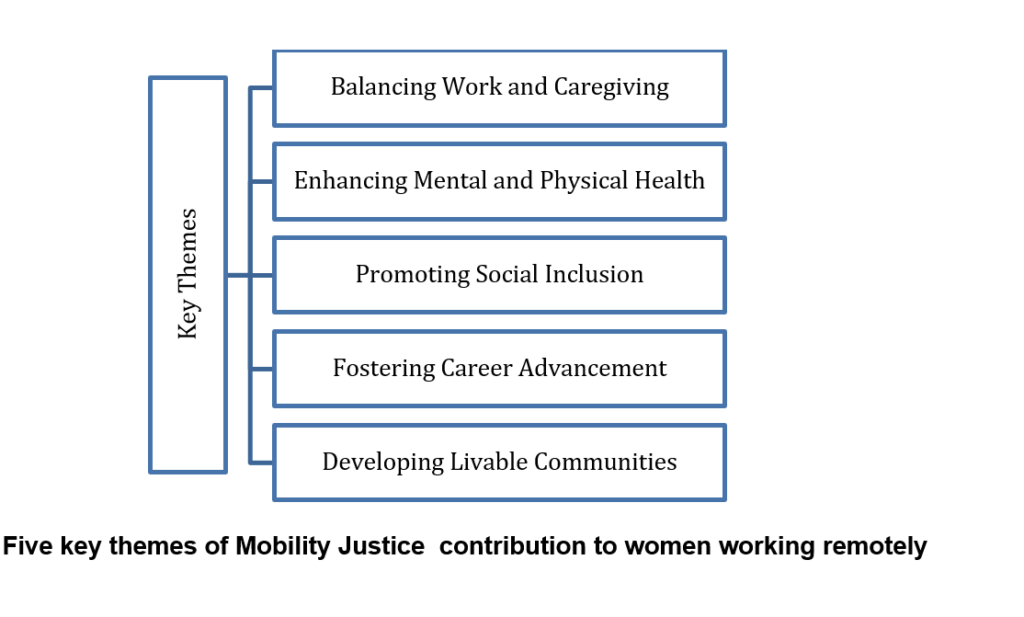
Mobility justice can help ensure that remote-working women have equal access to transportation and urban amenities, supporting their well-being and career advancement. This research explores the unique mobility needs of this growing population and recommends planning strategies to create more inclusive and equitable cities.
Walkable Campuses: Tactical urbanism and complete streets in Brazilian knowledge territories
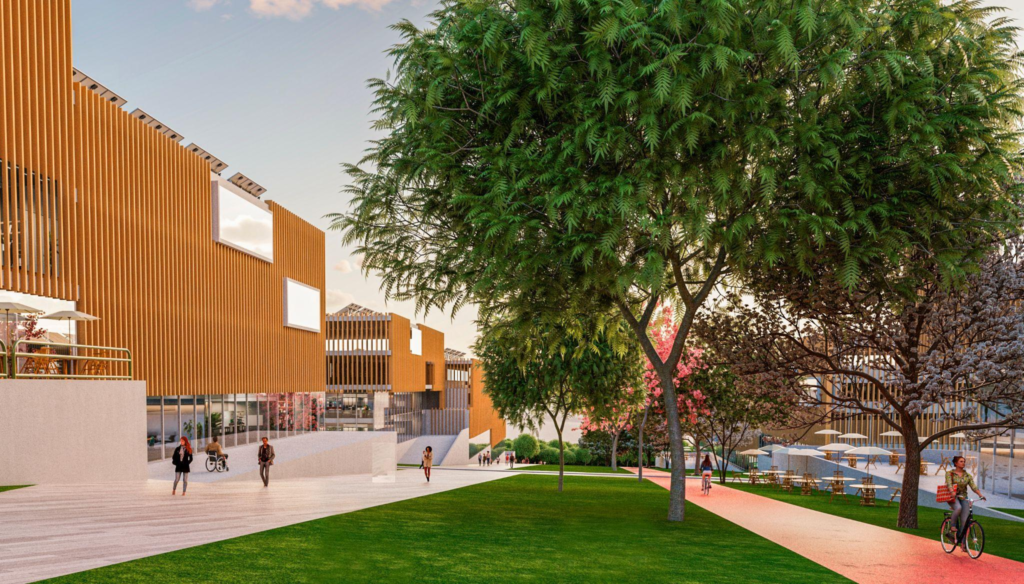
Exploring complete streets implementation in knowledge production territories, this research examines the potentials and limitations of using campuses as living labs, applying tactical urbanism. It identifies the opportunities for enhancing walkability and inclusivity and the challenges, e.g. regulatory issues and limited funding, stressing the role of governance and community engagement.