


Making cities work for older people: What urban leaders need to know
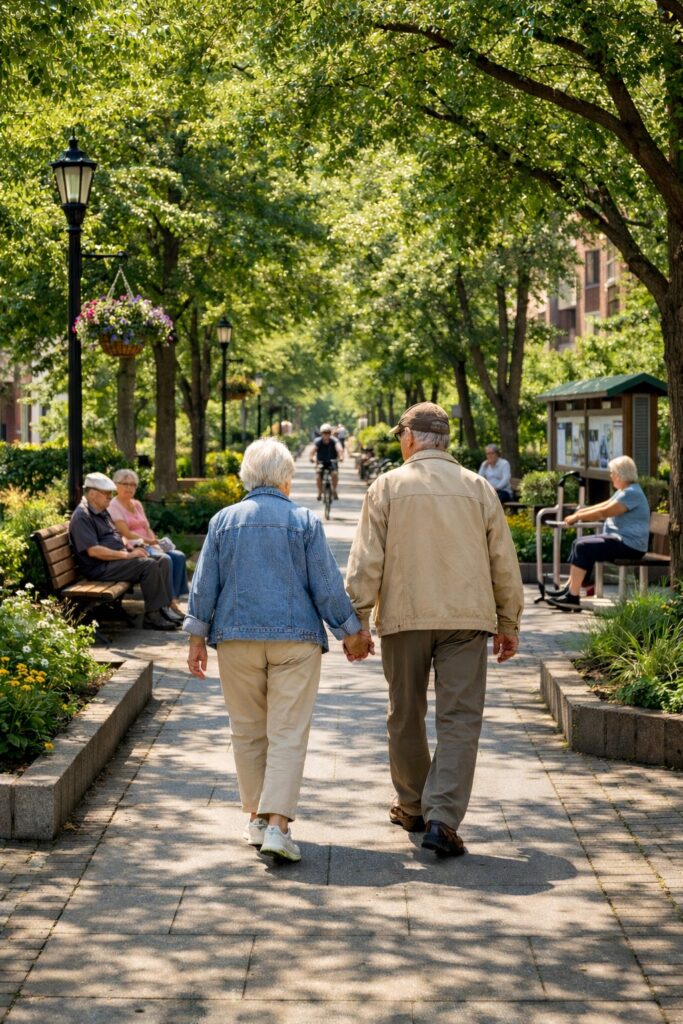
As cities age, are we ready to meet the needs of aging residents? This review shows how rethinking urban planning, green spaces, and better accessibility can make cities healthier and more inclusive for older adults. It highlights what’s working, what’s missing, and what cities can do better.
Designing residential open spaces that encourage children’s everyday movement
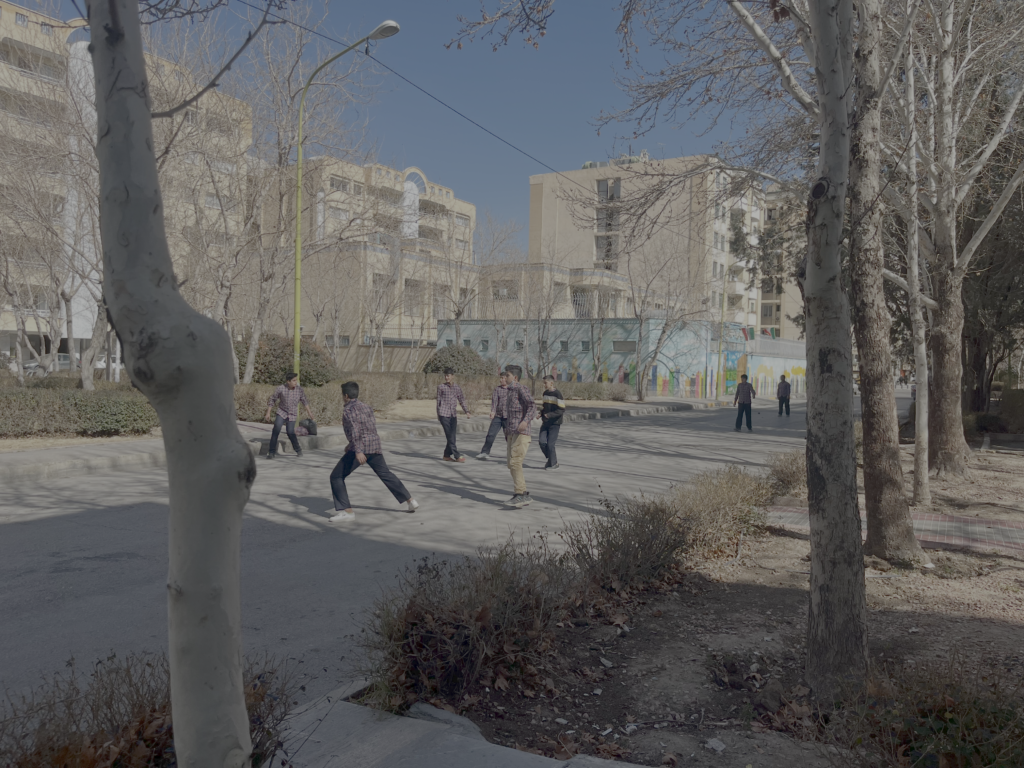
Children’s daily movement is shaped by how residential open spaces are designed. Our findings show that small spatial adjustments—such as connected pathways, flexible play zones, and improved visibility—can significantly enhance children’s physical activity. These insights help cities create healthier living environments.
Are we building for health? Food environments in transit-oriented development, New South Wales
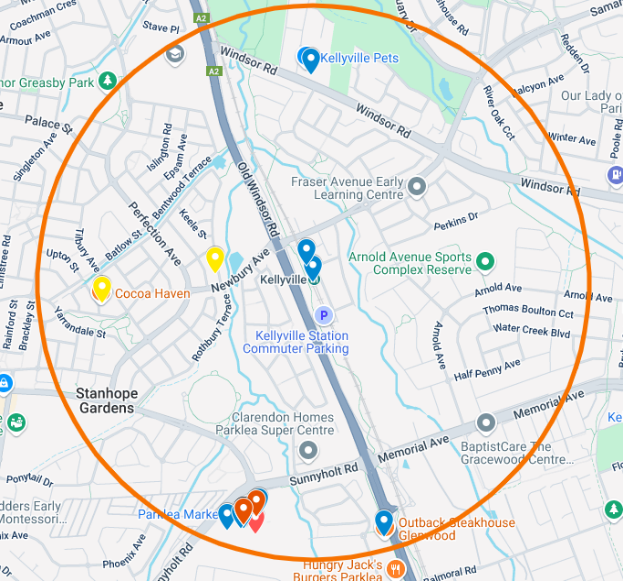
The built food environment has a significant influence on population health, for better and for worse. Evidence shows that urban planning can play a major role in creating food environments that support healthy food choices; however current transit-oriented developments have not yet considered access to healthy food outlets. We found evidence that a high proportion (79 – 84%) of food outlets could be classified as ‘unhealthy’ across eight transport hubs identified for accelerated development in New South Wales.
Association between perceived quality and access to urban green spaces and loneliness in India
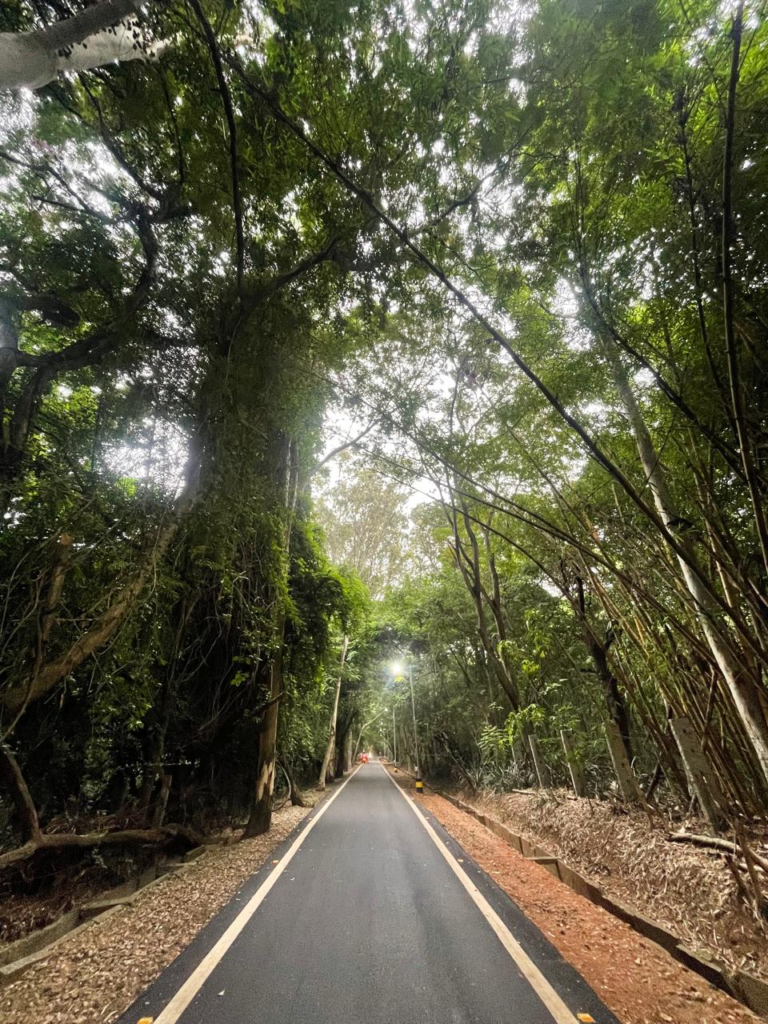
Our study explores how perceptions of urban green space quality and accessibility relate to loneliness in urban India. Findings show that subjective experiences, design features, and feelings of social exclusion shape engagement with green spaces. Inclusive, safe, and emotionally responsive green space design is crucial for reducing loneliness.Important to note; our study advances urban health and planning research by demonstrating that loneliness is shaped more by perceived quality and emotional experience of green spaces than by their physical presence alone.