


Can urban planners and designers fight depression?
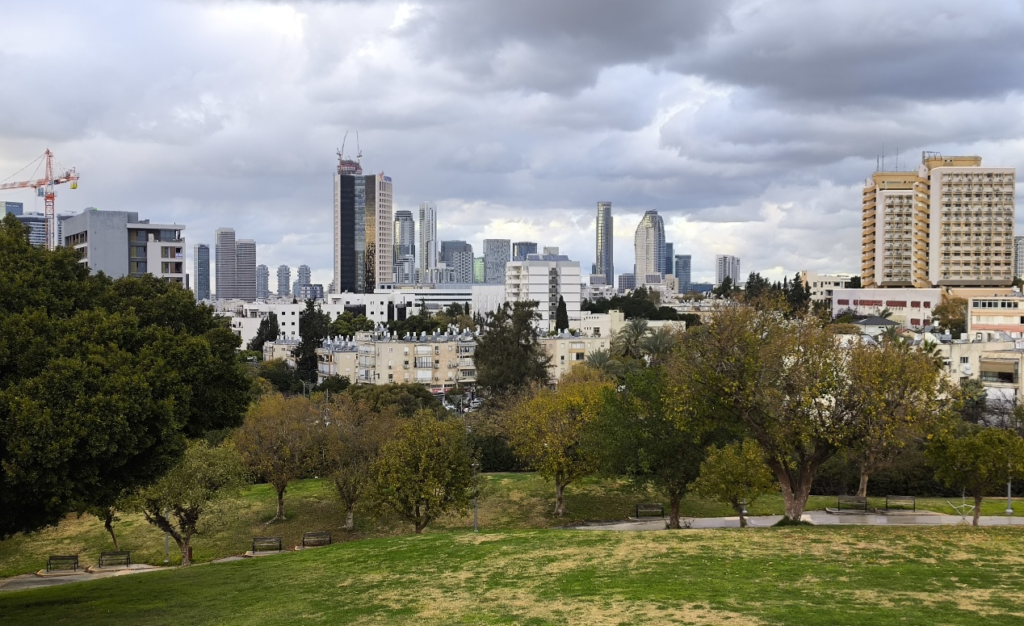
This study analysed thirteen neighbourhoods across four Israeli metropolitan cities from a cross-typological perspective to identify meaningful depression patterns and their links to neighbourhood design. The study suggests that while it is clear that urban planners cannot control all features associated with depression, they have at least the power to address the physical features associated with the neighbourhood, such as densities, street networks, building forms, and open spaces.
Mental health and suicide: a silent epidemic in Spanish cities and towns

Deaths by suicide are the leading cause of violent death. Suicide is a silent plague that is killing people daily in different cities and towns of Spain. Is the type of settlement and air temperature affecting the probability of killing yourself? What we can deduce from statistical models.
Public life in Tehran, during and after the pandemic
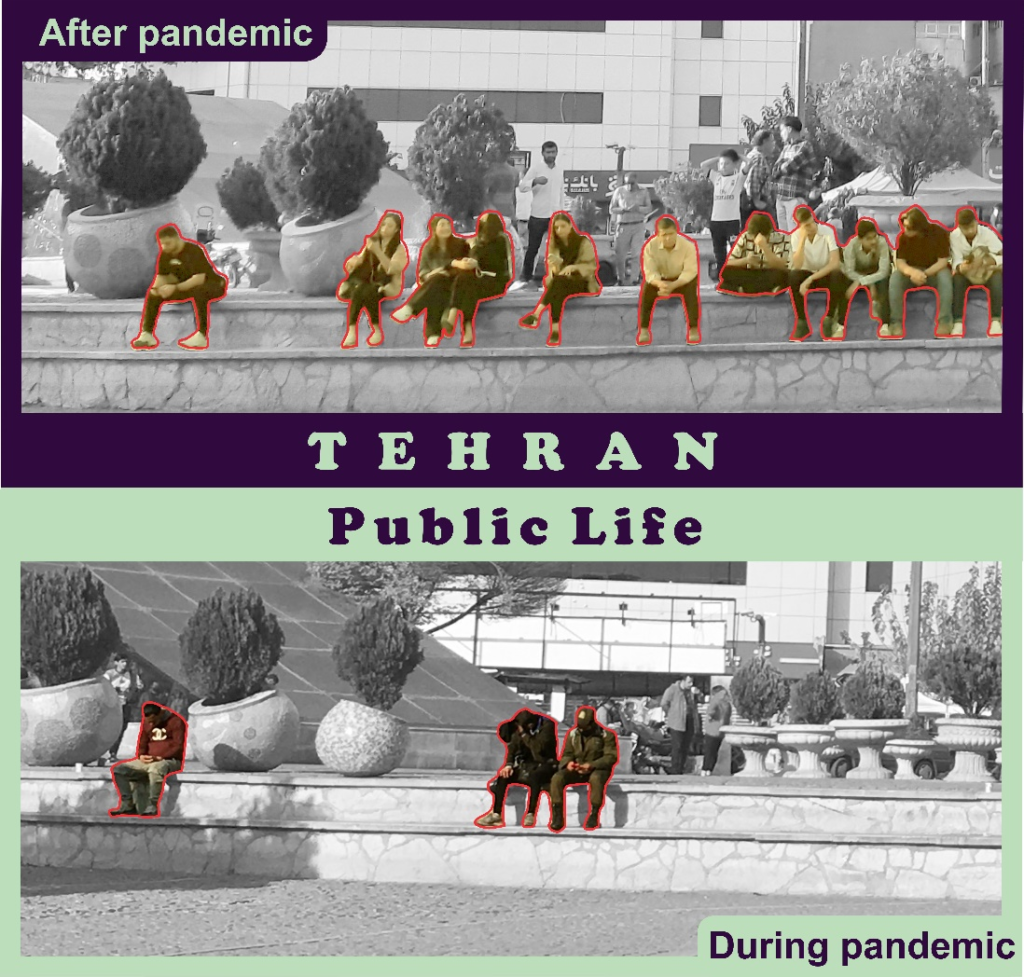
Our work shows the suitability of using Gehl and Svarre methods even during unexpected situations like the pandemic to study public life. Furthermore, the results provide a comprehensive view of public life in Tehran which has not been done before. This study shows the importance of plazas and urban green spaces during the pandemic for maintaining the public life and people’s physical activity.