


Beyond infrastructure: Healthy cities start with belonging and community priorities
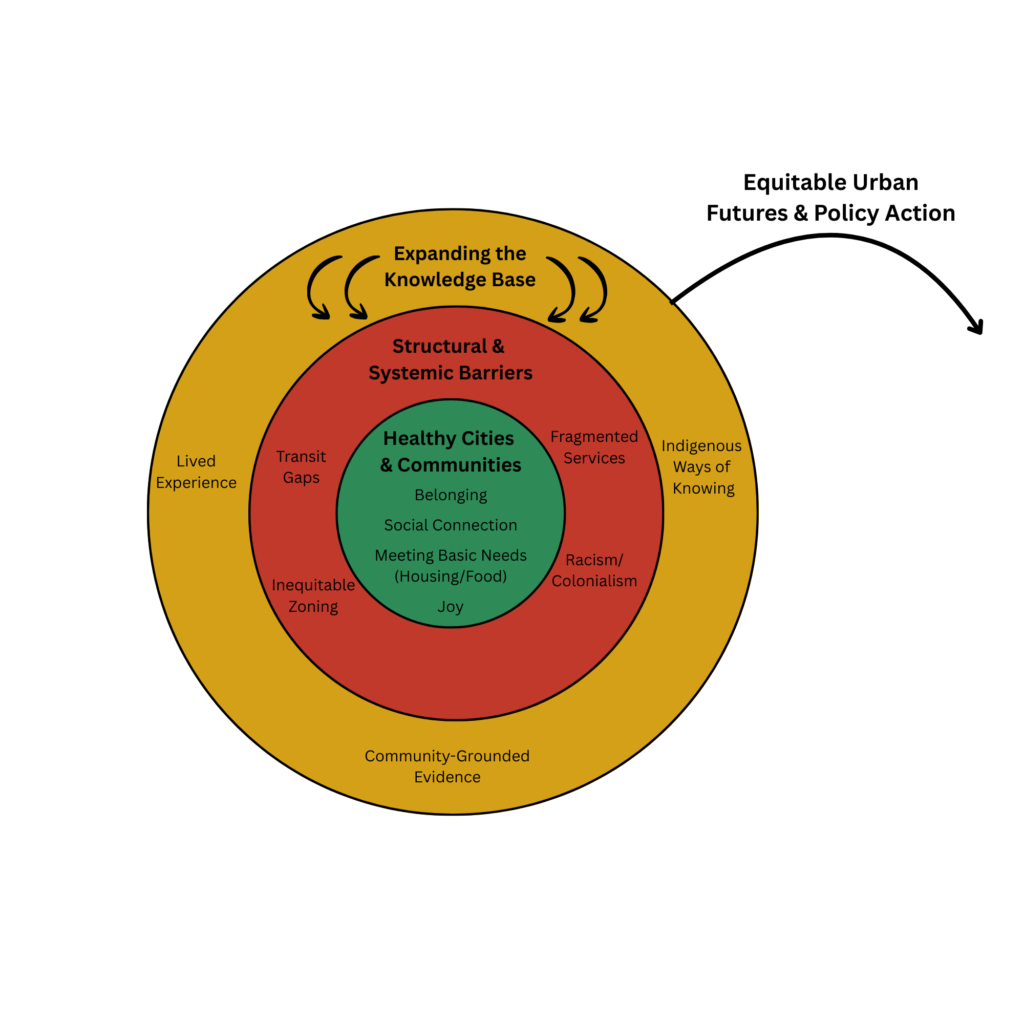
Cities often invest in infrastructure while overlooking what residents say truly shapes health. Drawing on community voices from Regina, this study shows that belonging, meeting basic needs, and valuing lived and Indigenous knowledge are essential for building healthier and more equitable cities.
Greenspace and wellbeing: The case for including both urban and nature related identities in person-place research
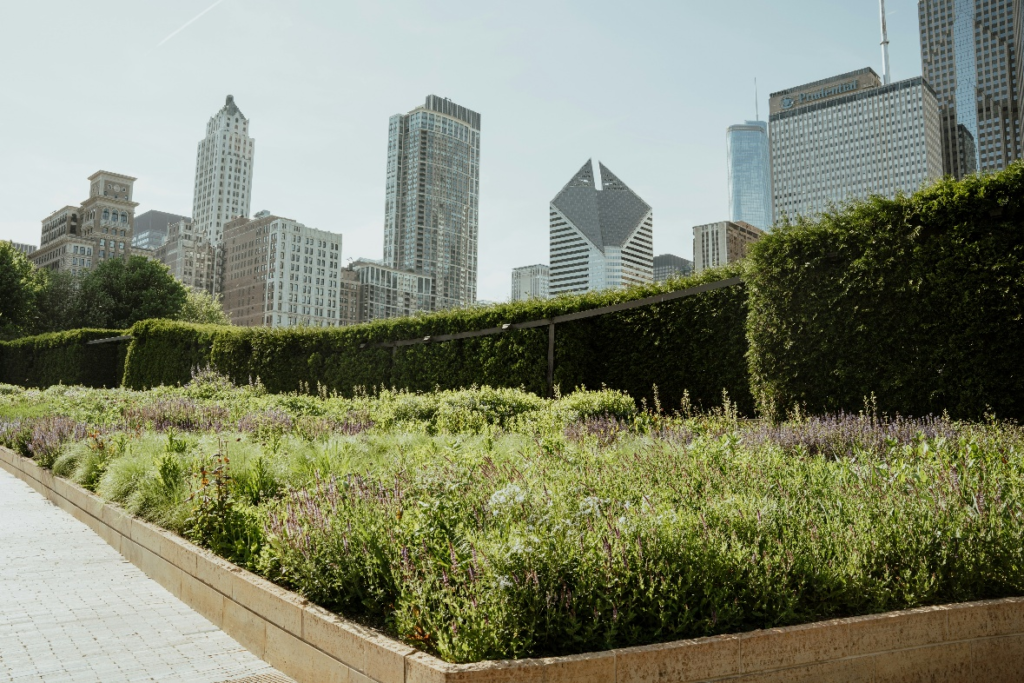
Greenspace use can positively influence subjective wellbeing; but research often focuses on how nature as “part of self” affects this relationship. Instead, we should focus on both urban and natural place-related identities to enhance wellbeing for all greenspace users.
Designing for the ear: How do urban soundscapes relate to physical activity?
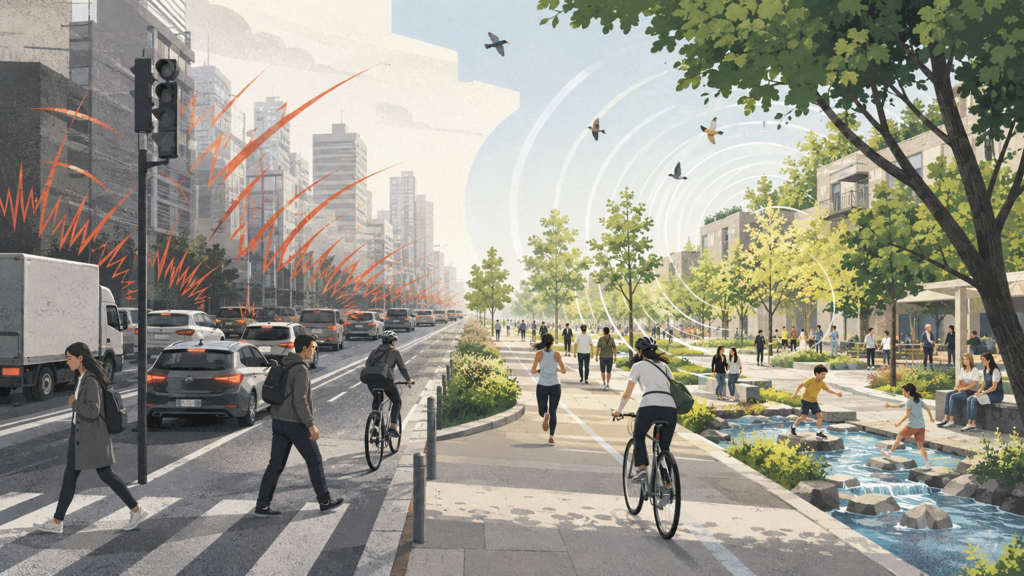
The sounds of our streets are closely linked to how people walk, cycle, and play. We reviewed global research showing that while traffic noise is associated with less activity, natural and human sounds often relate to safer and more enjoyable urban movement. Our aim is to support healthier city planning where soundscapes are not ignored but seen as essential to active lifestyles.