


Maximising the health-promoting potential of public urban green spaces for sustainable urban development and public health, evidence from COVID-19

Prior studies have highlighted the vital role of urban green spaces in human health, showcasing benefits like stress reduction and improved well-being. Yet, the Covid-19 pandemic sparked increased interest in these spaces without any examination of how research priorities shifted. Understanding these changes is crucial as it may bias perspectives and policies, potentially affecting public health. Thus, uncovering shifts in research focus during and after the pandemic is imperative for informed planning and management.
Designing cities for mental wellbeing: Lessons from Mahabad’s pandemic experience

This study underscores an urgent need to elevate psychological well-being as a core priority for urban policymaking and development. Embedding human-centred design principles that foster social cohesion, provide restorative respites, and instill a localized sense of place can equip our rapidly urbanizing world with greater mental fortitude. Specific recommendations include promoting walkable, mixed-use neighbourhoods with quality green infrastructure, protecting heritage architecture, and incentivizing vibrant public realms.
Uncovering the evidence base of the COVID-19 pandemic in informal settlements
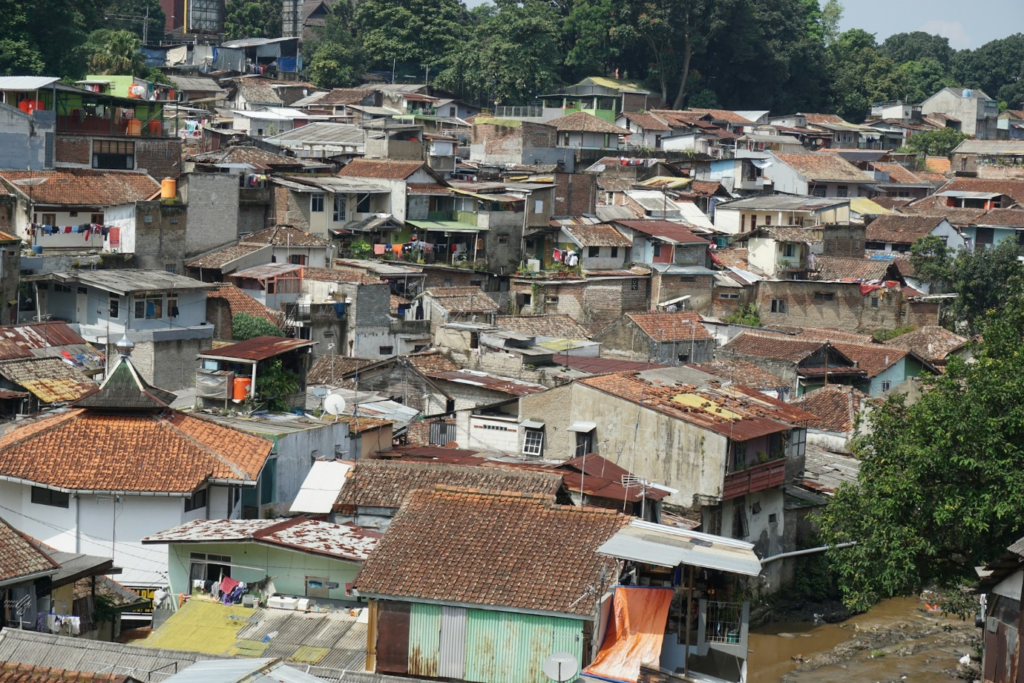
In informal settlements, the impact of COVID-19 can be alarmingly severe due to the lack/limited access to infrastructure, densely populated living conditions, and pre-existing socio-economic inequalities. There are limited studies that synthesise evidence from the literature on the COVID-19 lived experiences of informal settlement dwellers, often overlooked in scientific studies and policy-making initiatives. There any knowledge gaps that require further research to enhance the development of context-specific policies towards effective pandemic planning and response. How can we build resilience and sustainable livelihoods in informal settlements during public health emergencies?
Internal housing layout as a determinant of mental health
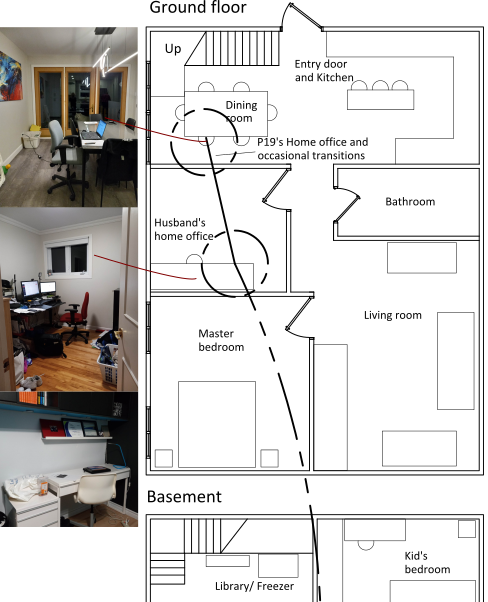
For a long time, architecture and housing policy have been viewed through the lens of providing a product. But the pandemic showed that for certain people lacking space, with small children, or with complex families, housing can add to their ailments and cause ill mental health.