
City Know-hows
Are there any knowledge gaps that require further research to enhance the development of context-specific policies towards effective pandemic planning and response? How can we build resilience and sustainable livelihoods in informal settlements during public health emergencies?
Share
Target audience
Public health professionals, urban health researchers and policymakers working in low-resource settings.
The problem
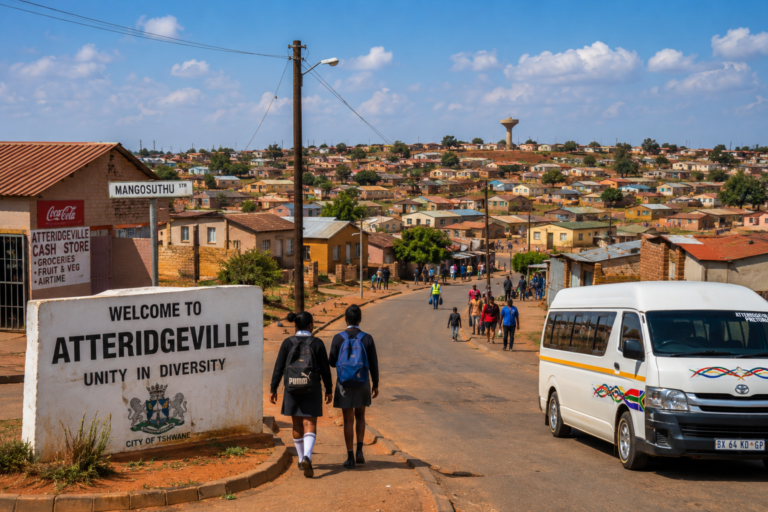
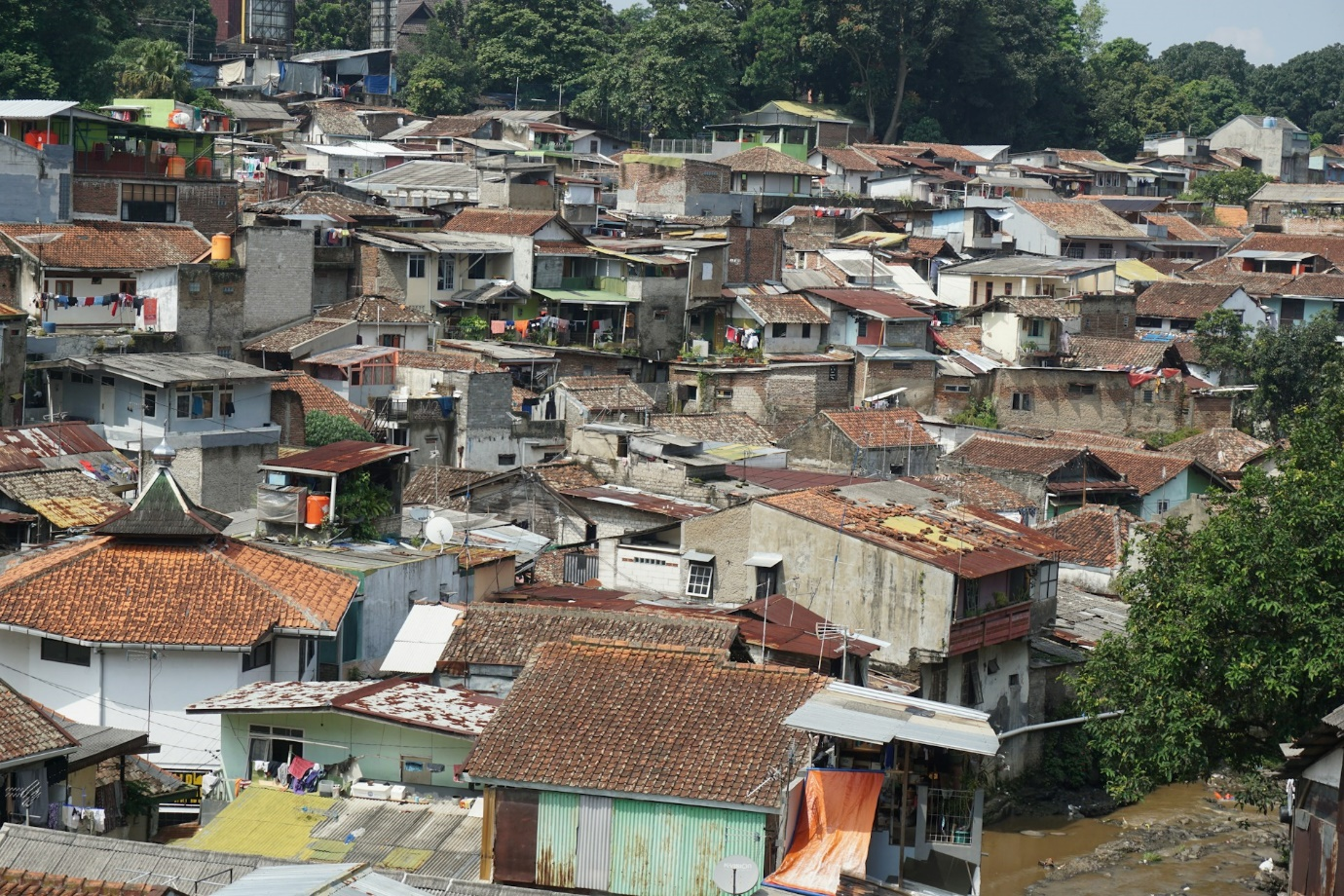
In informal settlements, the impact of COVID-19 can be alarmingly severe due to the lack/limited access to infrastructure, densely populated living conditions, and pre-existing socio-economic inequalities. There are limited studies that synthesise evidence from the literature on the COVID-19 lived experiences of informal settlement dwellers, often overlooked in scientific studies and policy-making initiatives. This can limit our comprehensive understanding of the realities of these communities and affect our concerted efforts of effective pandemic planning and response.
What we did and why
We systematically reviewed empirical evidence on COVID-19 from the literature. We focusing on informal settlements in the Global South. We then captured and analysed key themes on COVID-19 health-related behaviours (knowledge, attitude, and practice), lockdown impacts, and social protection programs provided to help vulnerable dwellers survive amid the pandemic. The rationale is to identify knowledge gaps and highlight future research and practice implications.
Our study’s contribution
To deepen our understanding of COVID-19 behaviours in informal settlements, we need to investigate factors moderating and mediating the complex COVID-19 risk perception-behaviour nexus by applying pandemic-based behavioural change models. Also, an in-depth exploration of why social protections to address the socio-economic, physical, and health-related impacts of the COVID-19 lockdown did not reach beneficiaries will be critical since the very limited literature has provided contradictory evidence.
Impacts for city policy and practice
Addressing the knowledge gaps in COVID-19 literature in informal settlements remains crucial in the broader discussions on infection and pandemic control, health equity and social justice. This can help city authorities, public health officials, and governments to develop and implement cost-effective behaviour change interventions and socially acceptable policies for pandemic response in informal settlements to support health and well-being.
Further information
Full research article:
[OPEN ACCESS] COVID-19 lived experiences among informal settlement dwellers in the global south: a scoping review by Richmond Amponsah, Marie Vaganay Miller, Nigel McConnell and Aaron Lawson.
Related posts

Through field observations, surveys with the residents, and interviews with decision-maker, we identified key variables that define food access in rural areas in Jordan, mapped access to food services according to the identified variable. and assessed food access in relation to land use regulations. Our work investigated frameworks governing the allocation of food service establishment locations, spatial requirements, integration into city masterplans, equitable distribution of food service types, and pertinent legislative frameworks.

Public spaces in universities target skateboarding through hostile architecture and security. Hostile designs exclude skateboarding as a novel form of physical activity. Maybe ‘just’ urban design guidelines can produce more inclusive and diverse public campus spaces.

Our study is meant as a provocation for planners to “start walking again” and understand sites, places, and context by observing and listening. Walking is a way to collect diverse stakeholders’ insights and expands a vision. Walking is a cry for sustainability.