

City Know-hows

Creating inclusive public open spaces for all: insights from medium-sized towns in India

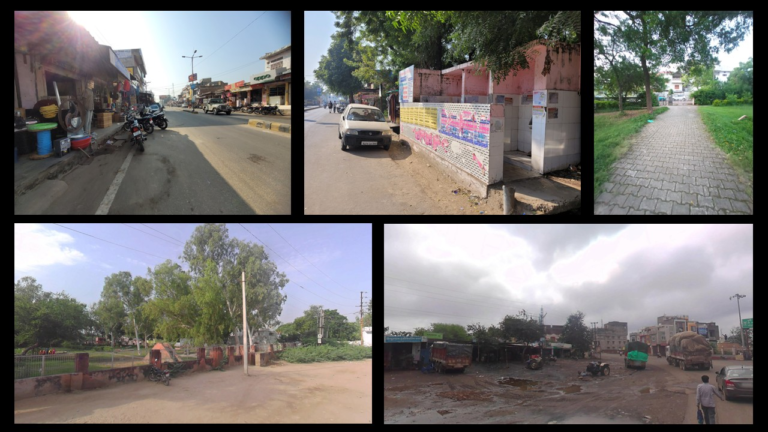
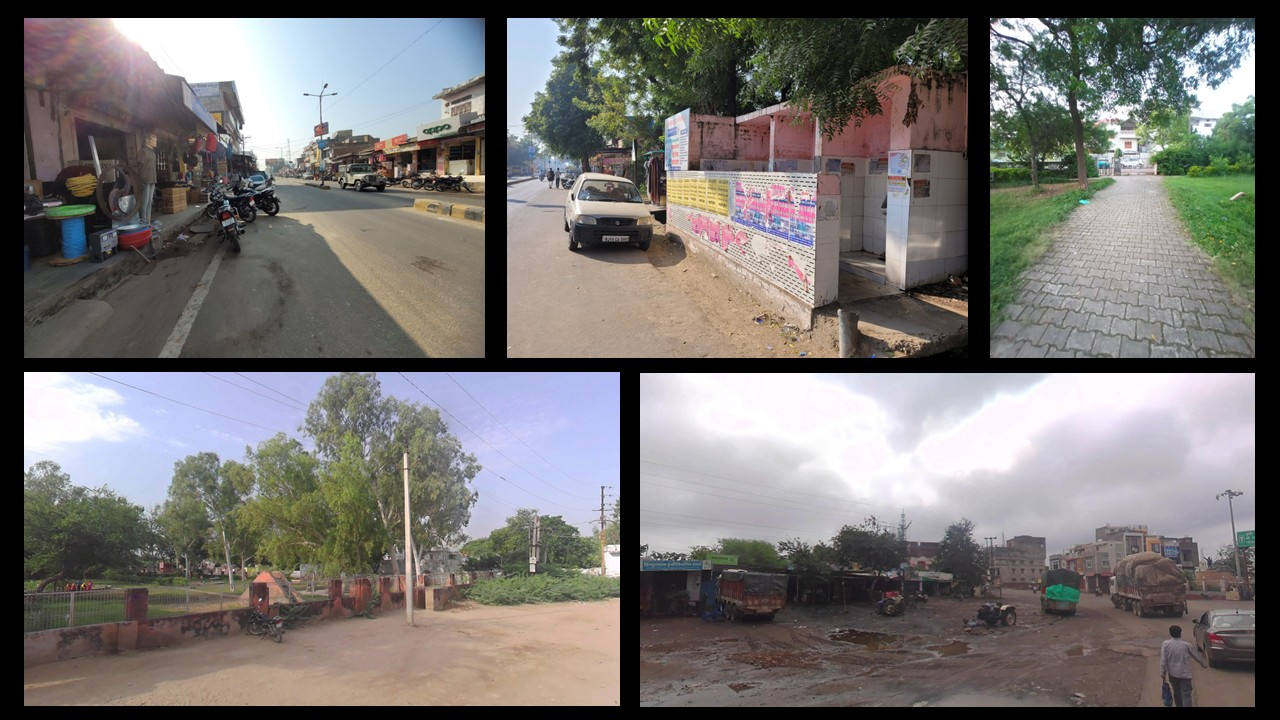
A public open space in Rajasthan that highlights the lack of inclusiveness, evident in the absence of accessible pathways, inadequate seating options, and insufficient shaded zones. These design shortcomings limit social interaction, especially for people with disabilities, elderly individuals, and marginalized groups.

Understanding public open space use is key to inclusivity. The research on multi-user behaviour in Indian medium cities offers pragmatic recommendations to make public open space more accessible and useable, and hence facilitate planners, designers and policymakers in creating equitable space for all.

Share

Target audience

Urban planners and designers: Urban local bodies and policymakers: Community organizations and advocacy groups

The problem

Urban public spaces in medium-sized cities are generally inadequate in terms of meeting the needs of diverse users. Physical mobility impairments, limited access, and poor spatial planning form the factors behind exclusion and underutilization. Exclusion disproportionately affects women, older adults, and people with disabilities. This exclusion due to absence of inclusive design has a negative impact on social cohesion and urban well-being.

What we did and why

We have carried out a wide-ranging survey of medium-sized towns in Rajasthan, India, examining user experience and attitudes to public open space. We set out to understand the barriers to access and offer inclusive design recommendations. Through the application of statistical analysis and comparison of demographics, we identified central determinants affecting the use and satisfaction of the space.

Our study’s contribution

• Evidence-based understanding of the influence of accessibility, usability, and proximity for informing user behaviour.
• Recommendations for inclusive urban design strategies that promote equitable access.
• Actionable advice for policymakers and urban planners to develop adaptive public spaces.

Impacts for city policy and practice

It is vital to apply user-centered design principles to improve accessibility and usability;
• Develop inclusive public space policies that respond to diverse mobility needs.
• Engage the community in the planning and design process.
Constantly evaluate and improve places to ensure inclusion and enjoyment.

Further information

Full research article:

User behavioral patterns in inclusive public open space: a case from Indian towns by Akshay Gupta, Madhura Yadav & Bibhu Kalyan Nayak.

Related posts

Four-walled or fourfold? Well-being in gated cities

Our study sheds light on the evolving dynamics of the Greater Cairo Region, adding depth to the understanding of whether gated communities act as true remedies or reflections of concrete houses. By incorporating a model based on critical factors for mental health, we offer insights into the nuanced dimensions of well-being in the context of urban development. This research contributes to a more comprehensive understanding of the complex interplay between city structure and residents’ overall well-being.
Read More »