City Know-hows

Health on the margins: How social, political and environmental factors shape health outcomes in Harare’s informal settlements

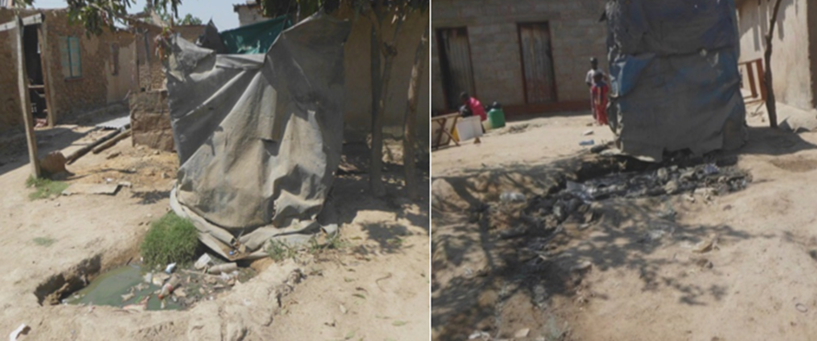
Raw sewage flowing from makeshift pit latrines in Hopley informal settlement, Harare. Credit: (Matamanda, 2020, Urban Forum, 31.4 p. 482)

People living in informal settlements endure the disproportionate burden of health vulnerabilities due to poor living conditions, overcrowding and infrastructural neglect. I examine how social, economic, political and environmental forces converge to amplify health disparities in Harare’s informal settlements.

Share

Target audience

Urban planners who are responsible for the planning and management of informal settlements. City Health Officials who are mandated to ensure a healthy living environment in informal settlements and urban leaders (mayors and local councillors) who make strategic decisions about allocation of municipal resources.

The problem

Residents of informal settlements often face serious health challenges because they live in areas with poor infrastructure, overcrowded spaces, and low-quality housing. I examine how political decisions, social inequalities, and environmental problems all converge to create and deepen these health risks. There are limited studies that explore the intersections of these variables and the implications for health in informal settlements.

What we did and why

This article unpacks how political, social, and environmental processes intersect to create and worsen health vulnerabilities. A total of 32 informal settlement residents in Hopley and Hatcliffe Extension participated in focus groups, which helped in grounding the research in people’s lived experiences. By highlighting overlooked connections between processes, I am able to explain why health inequalities persist in informal settlements.

Our study’s contribution

The study foregrounds the role of urban governance and policy regimes in shaping the health landscapes of marginalized communities. I demonstrate how decisions made at municipal and national levels are experienced unevenly on the ground.

Impacts for city policy and practice

The article enriches global conversations on informal urbanism, health equity, and the right to the city, thereby informing more inclusive and context-sensitive approaches to urban health planning and intervention.

Further information

Full research article:

Related posts

Challenges and paradigms to evaluate the relationship of urban environments with population health

Our study introduces and reviews how the built environment and its relation to population health are assessed in the literature. We did this by identifying methodological shortcomings and research potentials that need to be addressed jointly. Our assessment aims to undertake multiple health issues in an integrated manner, and identify priorities within the city whereby health is a primary goal.

Read More »

Where to walk when we are old: experiments in Taiwan and the USA

Our study highlights the importance of green spaces in urban areas for enhancing the well-being of older adults. It reveals significant benefits of nature walks over urban street walks and underscores the need for gender-sensitive urban design.
• Green spaces improve mood and perceived restorativeness.
• Women benefit more from nature walks, especially in urban streets.
• People from different cultures may benefit from nearby nature slightly differently.

Read More »