City Know-hows
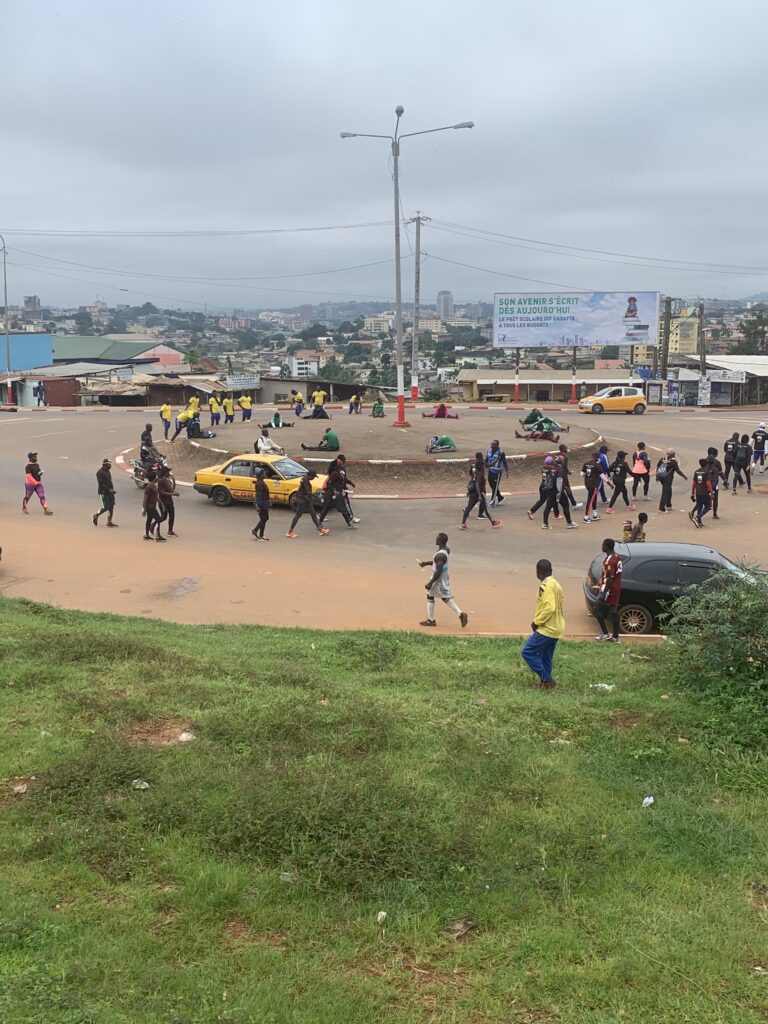
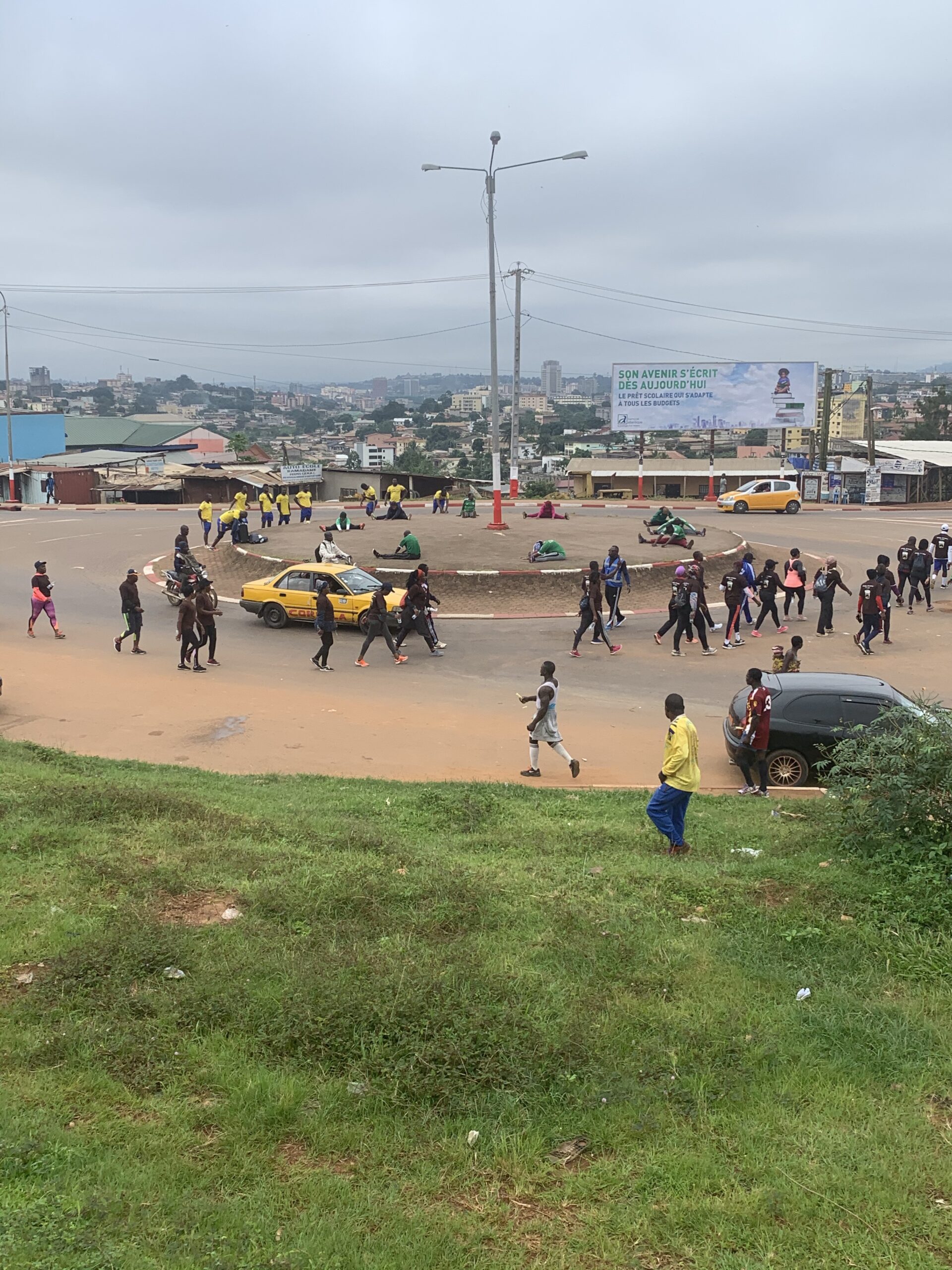
Our study explores how residents in Lagos and Yaoundé use roads, vacant lots, squares, and parks for running, walking, and other leisure-time physical activities. It reveals striking socio-economic and sex-based differences in perceived safety and risk, offering evidence to guide inclusive urban planning.
Share
Target audience
City officers, urban planners, NGOs working on healthy cities and active living, and residents.
The problem
Physical inactivity ranks as the fourth leading cause of mortality worldwide. To enhance health, many engage in leisure-time physical activities. Yet, in cities with limited formal infrastructure, people increasingly use public spaces informally for such activities. In Lagos and Yaoundé, no published studies describe the range of public spaces used for physical activity or detail how residents use them for leisure-time physical activities, leaving an evidence gap that limits urban planning and health promotion strategies.
What we did and why
We conducted a study in Lagos, Nigeria, and Yaoundé, Cameroon, to explore the variety of public spaces residents use for leisure-time physical activity, the types of activities occurring there, and perceptions of safety and injury risk. Using a citizen scientist approach, we invited participants to share their experiences and views via questionnaires. We aimed to generate local evidence to inform urban planning, improve safe access to public spaces, and promote active, healthy lifestyles.
Our study’s contribution
This study provides novel insights into how residents of Lagos and Yaoundé informally adapt public spaces for leisure-time physical activities.
• We identified apparent differences in activity patterns by space type and context.
• Perceptions of safety and injury risk varied by sex and neighbourhood socio-economic status.
• Our citizen scientist approach demonstrated the value of participatory methods in capturing lived experiences, offering a model for similar studies in other urban African settings.
Impacts for city policy and practice
Our study underscores the need to address inequities when redesigning public spaces for physical activity. We recommend:
• Integrating equity-focused planning to ensure access for all sex, ages, and socio-economic groups.
• Expanding safe, well-maintained, and culturally relevant spaces for leisure-time physical activities.
• Engaging communities in co-design to reflect local needs and preferences.
These strategies can help meet the unmet demand for supportive environments that foster healthy, active living across diverse urban populations.
Further information
Full research article:
Sex and socio-economic differences in public spaces informally appropriated for physical activity in Lagos and Yaoundé: implications for activity patterns and risks Clarisse Mapa-Tassou, Sex and socio-economic differences in public spaces informally appropriated for physical activity in Lagos and Yaoundé: implications for activity patterns and risks by Clarisse Mapa-Tassou, Richard Unuigboje, Victor Onifade, Nfondoh Blanche, Awah Kum Tchouaffi, Damilola Odekunle, Toluwalope Ogunro, Louise Foley, Rose Alani,, Taibat Lawanson, Felix Assah and Tolu Oni
Related posts

Opportunities exist to influence the growth of secondary cities, home to most of the world’s urban population, in ways that maximise residents’ wellbeing as well as achieve sustainability goals. More research is required to understand how this can be achieved, in particular in relation to city governance.
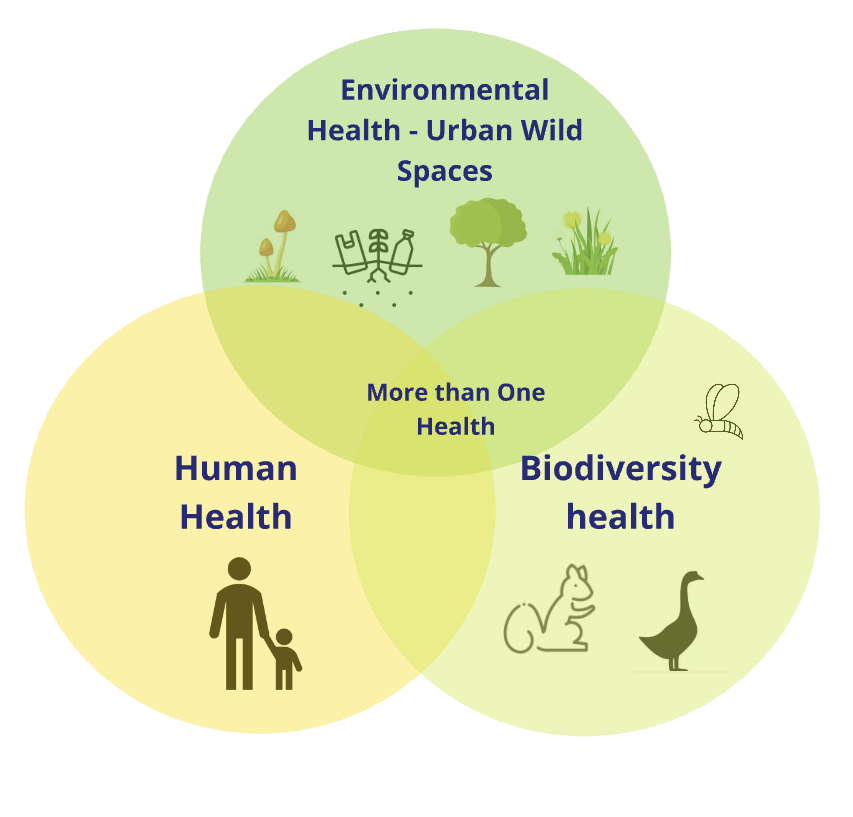
What if urban health went beyond human wellness? Through our more-than-One Health conceptualization, we explored urban wild spaces as places where the health and flourishing of humans, animals, and ecosystems intertwine. This approach provides new insights into designing cities that are not just green, wild, but interconnected as restorative habitats for human and non-human health.
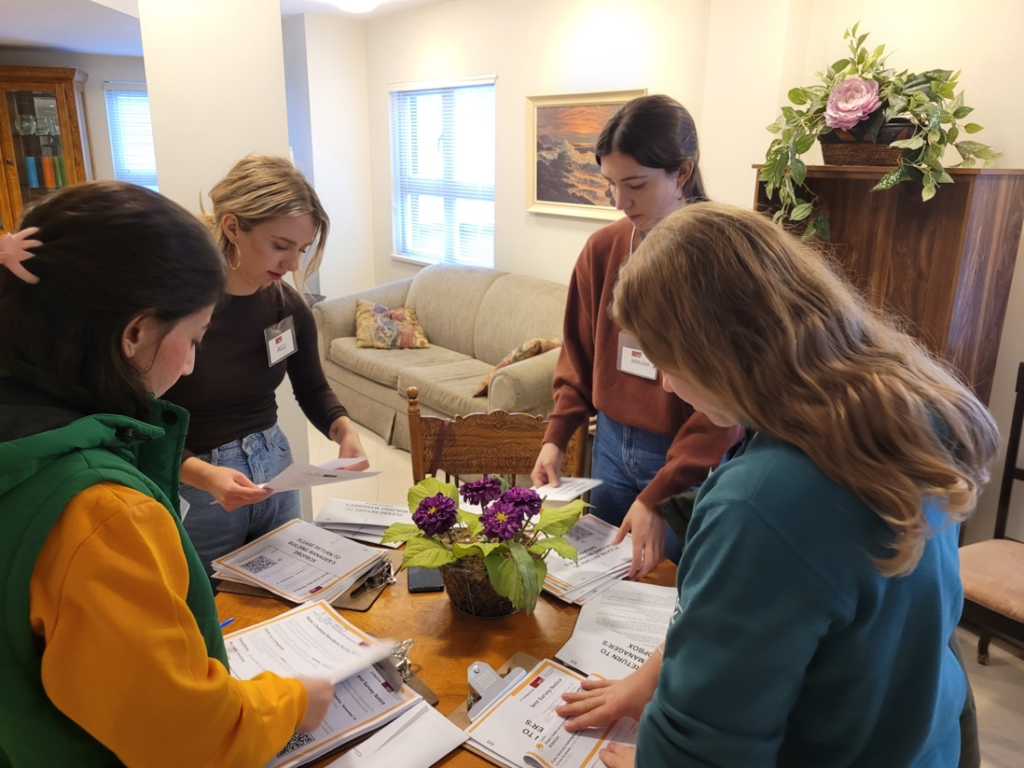
At the intersection of urban and public health policy, the success of higher-density affordable housing solutions to serve an inclusive well-being agenda depends upon reducing the association of these lifestyles and built environments with loneliness and social isolation. We construct a pro-neighbouring index and test its predictors using an ordinal logistic regression model based on resident survey data.