City Know-hows
The study investigates critical issues and strategies for the regeneration and valorisation of small historical villages through interviews with opinion leaders. The debate is strengthened by the analysis of scientific literature and concrete cases in Italy.
Share
Target audience
Supranational, national and local policymakers, civil servants and multidisciplinary professionals who are involved in the enhancement of historic villages and inland areas.
The problem
The need to regenerate and enhance small villages has been accelerated by environmental, health and socio-economic emergencies. Recent crises have amplified the debate on the relationship between big cities and smaller historic centres, towards which specific economic incentives have been directed. However, it appears necessary to resolve the shortcomings of these places and avoid the risk of inadequate interventions. A multidisciplinary approach is therefore necessary to ensure sustainable holistic well-being.
What we did and why
We interviewed opinion leaders, experts from the political, architectural and urban planning, health and socio-cultural scene to understand the challenges of small historic villages and strategies for sustainable repopulation and increased well-being. We also analysed the scientific literature and public debate and provided some concrete examples. The study identified a series of key strategies, based on a combination of material and immaterial actions, to be considered for the effective regeneration and enhancement of these hamlets.
Our study’s contribution
The study is part of the current debate on the relationship between cities, territory and small villages, suggesting directions and a decalogue of fundamental actions to regenerate fragile places rich in natural and cultural heritage. Among the main themes useful for increasing well-being we have identified the following combinations: sustainability and resilience, tradition and innovation, new functions and dynamic communities, digitisation and accessibility to services, community involvement and multidisciplinary approach.
Impacts for city policy and practice
This work provides valuable insights for guiding the future of numerous small historic villages towards sustainable development. Striking a balance between major cities and smaller centres can yield multiple benefits, enhancing both individual quality of life and collective well-being. It is hoped that a multidisciplinary approach, sensitive to various needs, can form the foundation for integrated regeneration projects tailored to the unique characteristics of each location, within a broader comprehensive framework.
Further information
Full research article:
Regenerating small historic villages. Possible strategies through the vision of experts by Alessio Proietti, Ruggero Lenci and Daniela D’Alessandro.
Related posts

There are so many neighbourhood-level drivers that impact our health that making sense of all the data can be difficult. This tool helps us understand

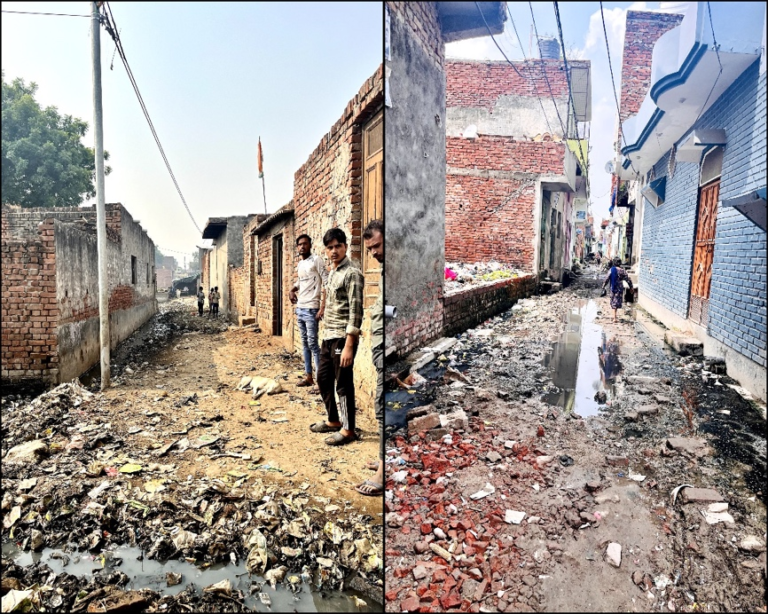
Monitoring slum health through ecological deprivation indexes is a useful strategy to understand and reduce health inequalities within a city. We developed a robust socioenvironmental index capable of explaining health outcomes in small intraurban areas and differentiating areas with the presence of different slum typologies and non-slum spaces.

High-rise apartment buildings are increasingly popular in large cities, however, urban land availability for outdoor communal spaces is limited. Creating communal spaces for high population density is a challenging task. Past research indicates the importance of the immediate environment in stimulating social interaction and the spatial organization for social activities can play an important role. One may ask whether the design of communal spaces within high-rise buildings can stimulate social interaction among residents.