


How can we reconnect mental and urban health?
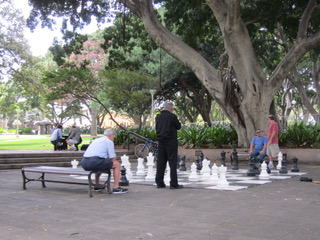
Our study found that community place-based initiatives involving the public and private sectors can provide public spaces, such as public parks and communal gardens, that are appropriate for reconnecting mental and urban health using the concept of co-benefit endorsed by the World Health Organization in 2011. We examined this concept in large projects in Seoul and Singapore to show the advantage of intersectoral collaboration for reconnecting mental and urban health initiatives by urban planning.
Understanding community perspectives on livability metrics

Livability is a people-oriented concept, and accurately measuring it requires a contextual understanding of what local stakeholders deem essential for making communities livable. Despite extensive research on livability indicators, most studies have taken a top-down approach, with few considering the input of the communities.
Aesthetic elements our urban environments and their potential links to wellbeing

We live increasingly in cities, which paradoxically has positive and negative impacts on wellbeing. We review evidence for implementing aesthetics, as a factor that is considered when looking at the urban built environment, and its links to wellbeing. We summarise existing findings and provide a dataset to guide future research and urban planning.
Implementing agoraphobia-responsive urban design
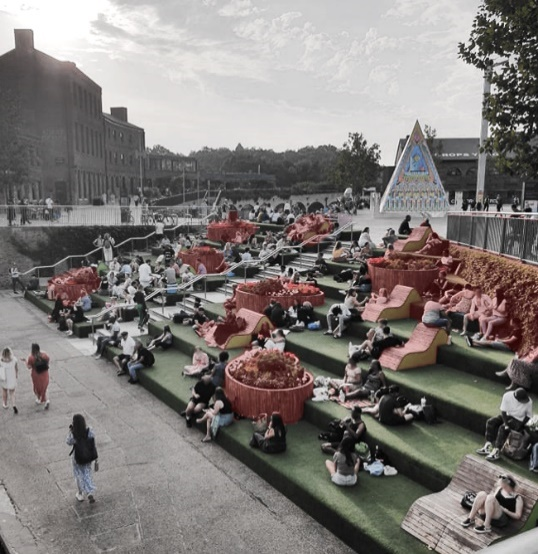
Discover how integrating agoraphobia-responsive elements into urban design and planning can transform public spaces into safer, more inclusive environments. This study reveals practical strategies that enhance psychological comfort and accessibility in city landscapes.
Visualizing neighbourhood health disparities: spatial epidemiology to map social vulnerability and mortality in an Italian city
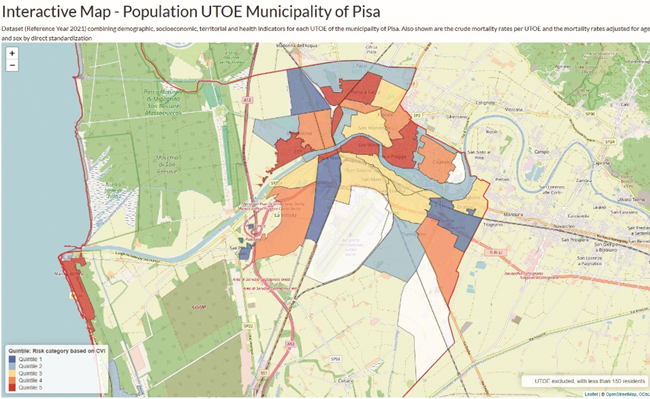
We propose a replicable spatial framework applied at the small geographic scale in Pisa, Italy, to address a methodological gap. We find that both CVI and density predict excess mortality, providing an essential tool for health equity planning.