


City Know-hows
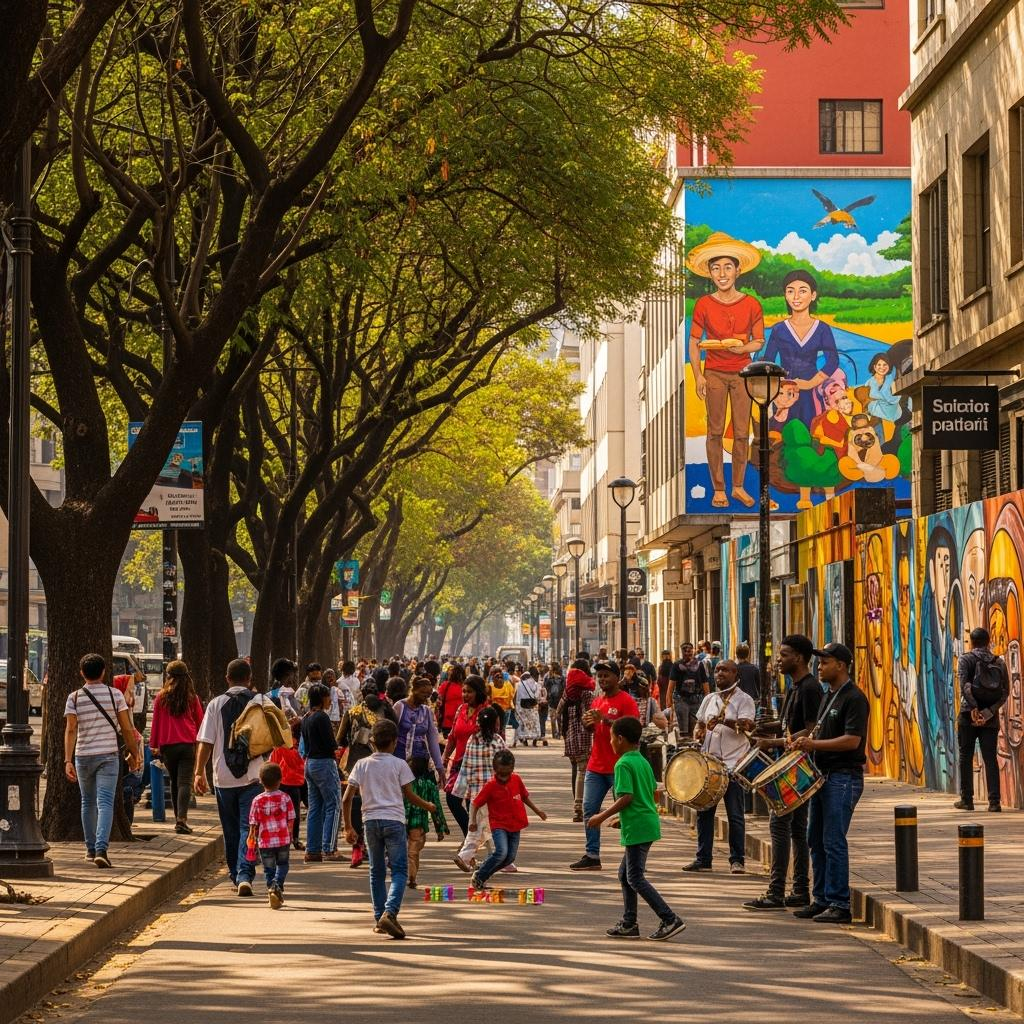
We live increasingly in cities, which paradoxically has positive and negative impacts on wellbeing. We review evidence for implementing aesthetics, as a factor that is considered when looking at the urban built environment, and its links to wellbeing. We summarise existing findings and provide a dataset to guide future research and urban planning.
Share
Target audience
Architects; Urban planners/designers; Policy makers (including the World Health Organization and UN-habitat)
The problem
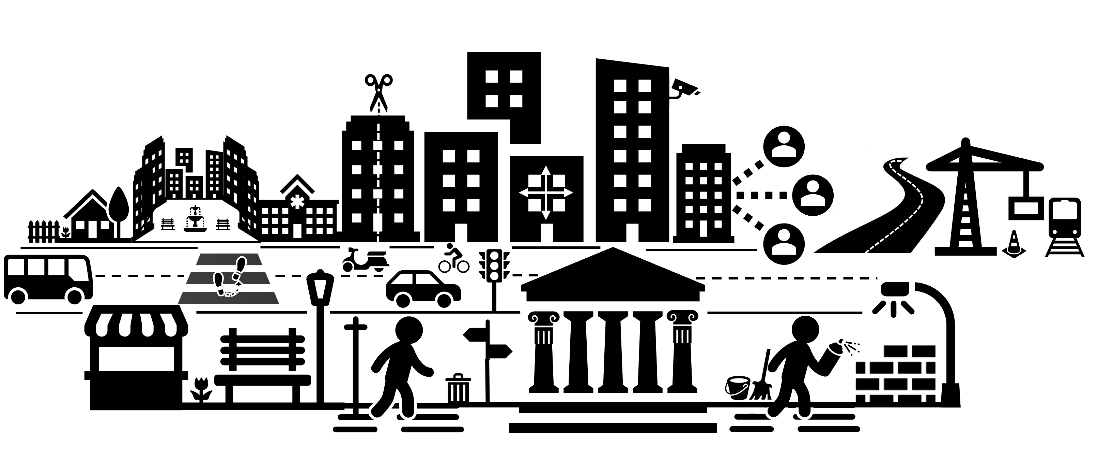
Currently, studies of aesthetic elements in urban environments are scattered across research fields. Thus, there is no central knowledge regarding (hu)man-made components of our cities, which are considered for their aesthetics, and how aesthetics is measured in this context. Moreover, while the link between aesthetics and wellbeing is apparent in the field of psychology of the arts, it is not clear if such a link exists when considering urban environments.
What we did and why
In accordance with the objectives of a scoping review, we collated existing literature on urban aesthetics and wellbeing to access:
(1a) Which urban man-made components have been investigated in regard to aesthetics?
(1b) How were aesthetic outcomes evaluated and measured?
(2a) Which aesthetic urban components have been investigated in regard to wellbeing?
(2b) How were wellbeing outcomes evaluated and measured?
Our study’s contribution
We present the first summary of literature on urban aesthetics and wellbeing. We identify emerging trends and gaps from 255 reviewed articles. Our findings show the diversity in man-made components, aesthetics dimensions, and wellbeing dimensions used to study urban environments. Our review provides recommendations for future primary and secondary research, highlighting the necessity for standardised terminology for aesthetics and wellbeing, identifying measures to apply more consistently in environmental research, and aesthetic components to implement in city design.
Impacts for city policy and practice
Our review provides a comprehensive list of urban elements investigated for aesthetics and wellbeing in empirical studies. This data is freely accessible on an OSF repository and can be used by practitioners to select evidence-based elements to guide policies and further design our cities as better places to live. This scoping review builds a strong foundation for the design of future urban studies and more targeted reviews that can be used to inform policy makers.
For further information on research into urban aesthetics: Empirical Visual Aesthetics Labs, University of Vienna; Urban Art & Green team
Further information
Full research article:
[Open Access] Aesthetic components of urban environments and their relation to wellbeing: a scoping review by Kirren Chana, Margot Dehove, Jan Mikuni, Eva Specker, Anna Lena Knoll & Tristan Barrière.
Related posts

Children’s physical activity and movement increases when they visit nearby parks often and stay longer. However, simply building more parks is not enough. We show how practical design, safety and inclusive programming can turn everyday parks into places where children want to play. Most importantly, measure success by visits and time spent, and not by counting parks and playgrounds!

Our study explores how perceptions of urban green space quality and accessibility relate to loneliness in urban India. Findings show that subjective experiences, design features, and feelings of social exclusion shape engagement with green spaces. Inclusive, safe, and emotionally responsive green space design is crucial for reducing loneliness.Important to note; our study advances urban health and planning research by demonstrating that loneliness is shaped more by perceived quality and emotional experience of green spaces than by their physical presence alone.

This study addresses the need for a more nuanced understanding of how urban design influences people’s walking habits in the Global South through case studies in Indonesia. Understanding the intriguing relationship between the built environment, personal perception, and walking behaviour is critical for designing more walkable, healthy, and sustainable cities.