


Community voices on outdoor gyms: A qualitative study among municipal officials and residents from Arab localities in Israel
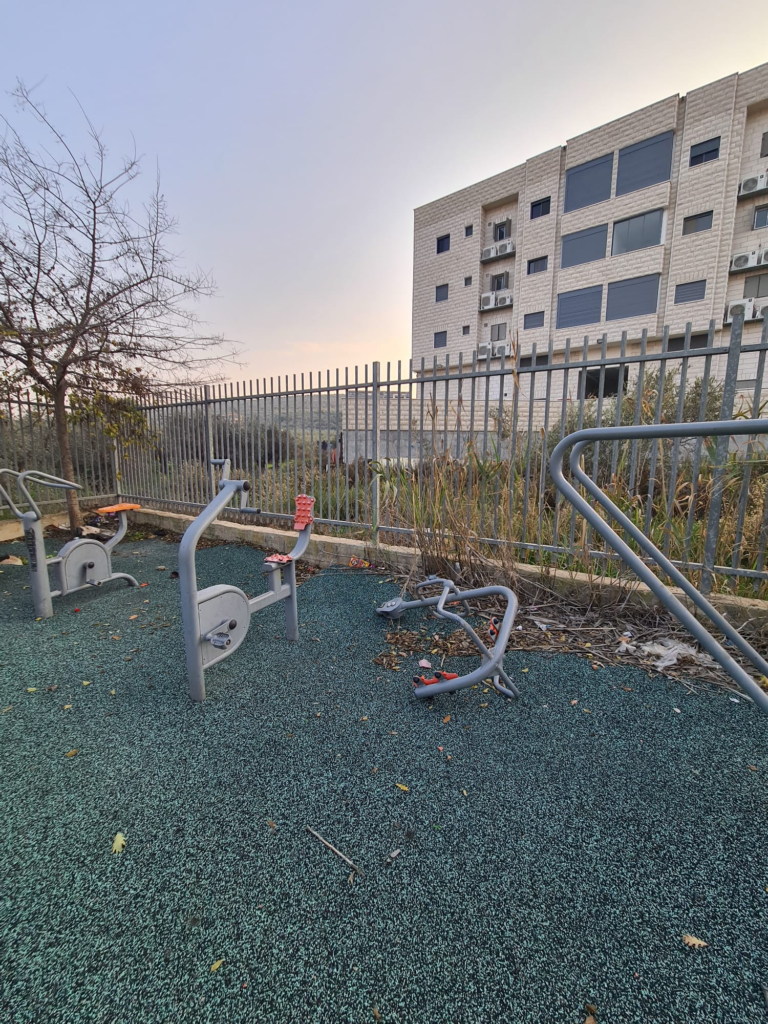
We interviewed ten municipal officials and 23 residents in four Arab towns, and observed five outdoor gyms. We wanted to understand how outdoor gyms are perceived, what barriers limit their use, and what strategies could make them more effective. This was the first study of its kind in Arab towns in Israel, but it also speaks to underserved communities worldwide where informal urban development and limited resources shape access to healthy environments.
Hidden barriers: How citizen characteristics relate to perceived (un)availability of health promoting facilities
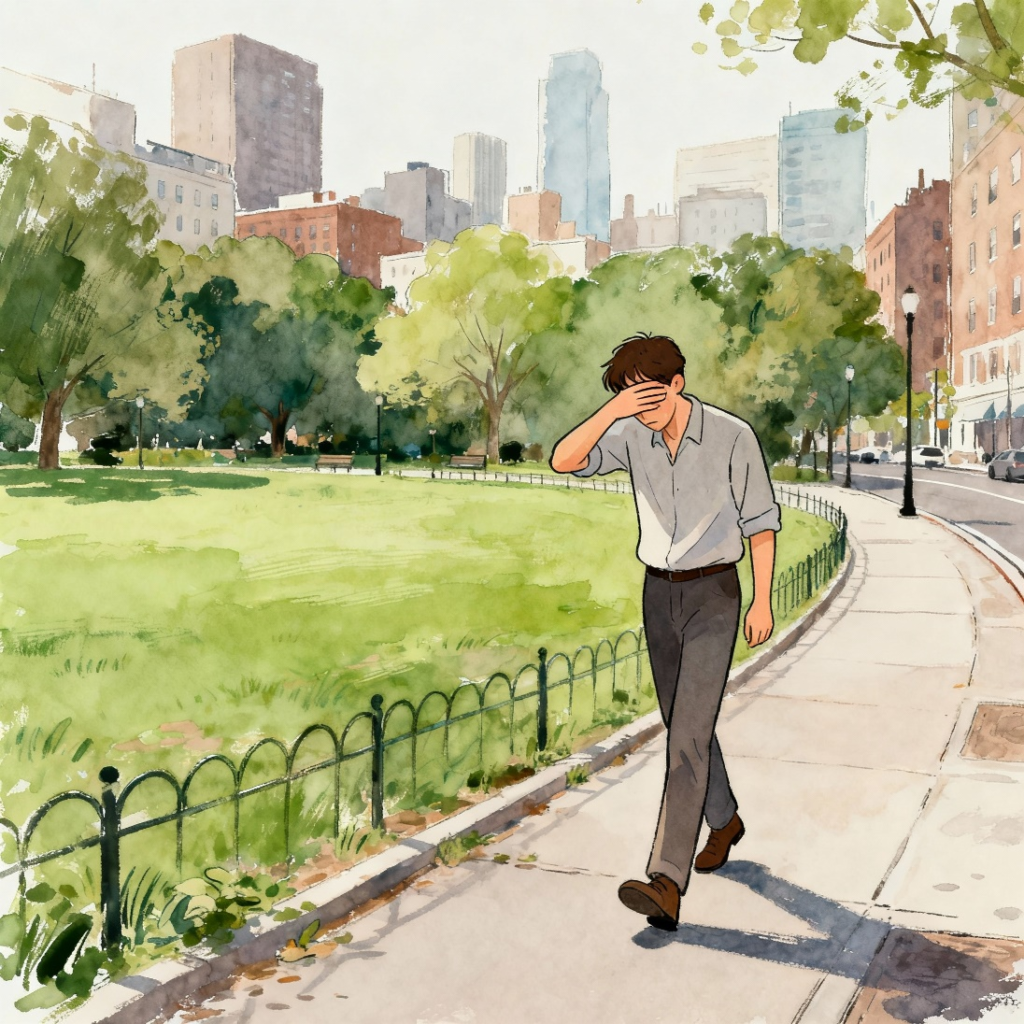
Significant health inequalities exist between neighbourhoods. Apart from differences in demographics, the neighbourhood environment including facilities has also been found to have a sizeable effect. Despite various health-promoting facilities being objectively available in neighbourhoods, not all citizens perceive them to be available to them. Therefore, some citizens might not make use of important facilities that improve their health. We need to know more about what predicts perceiving facilities as available besides them being objectively there.
Designing and implementing nature-based intervention, for the health of our community
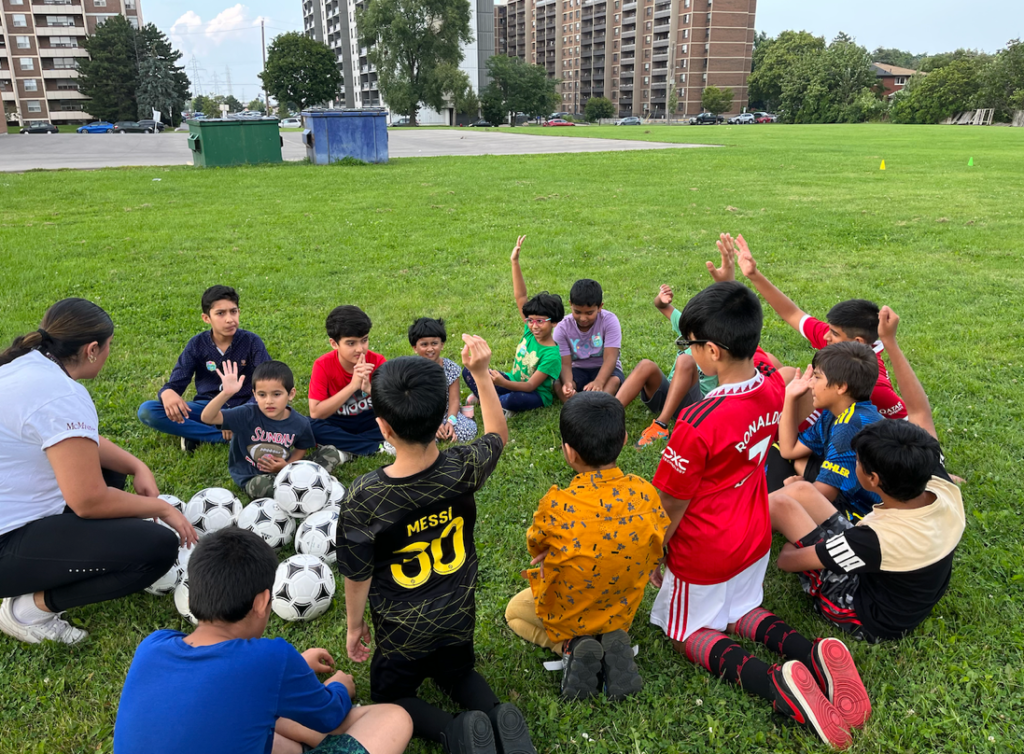
Do we have the potential to combat childhood obesity rates with nature based programs? How does the design of community-based programming play a role?
Our study, analyzing 4,010 articles, reveals nature-based interventions promote healthy living. Focusing on community engagement and program gaps, our research highlights innovative strategies for healthier children. A collaborative approach offers new hope in addressing this global health challenge.
A review of urban green and blue space interventions to prevent violence against women and girls
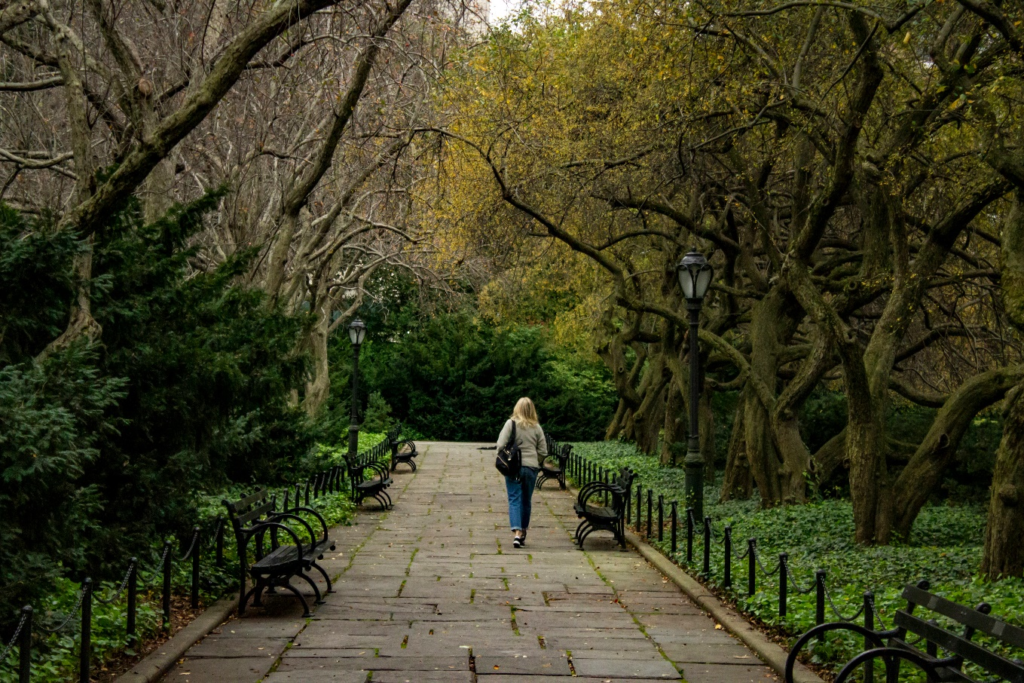
Our review highlights the lack of urban green and blue spaces interventions to prevent violence against women and girls. We look also at how interventions could prevent violence against women and girls, reduce inequalities, and reshape social, cultural, and societal norms; promoting use of urban green and blue space for women and girls.