City Know-hows
Do we have the potential to combat childhood obesity rates with nature based programs? How does the design of community-based programming play a role? Our study, analyzing 4,010 articles, reveals nature-based interventions promote healthy living. Focusing on community engagement and program gaps, our research highlights innovative strategies for healthier children. A collaborative approach offers new hope in addressing this global health challenge.
Share
Target audience
For attention of local community health organization, public health officials, and researchers that specialize in community-based intervention development.
The problem
Childhood obesity is a growing issue, particularly among children from newcomer families who face barriers in accessing health-promoting resources.
What we did and why
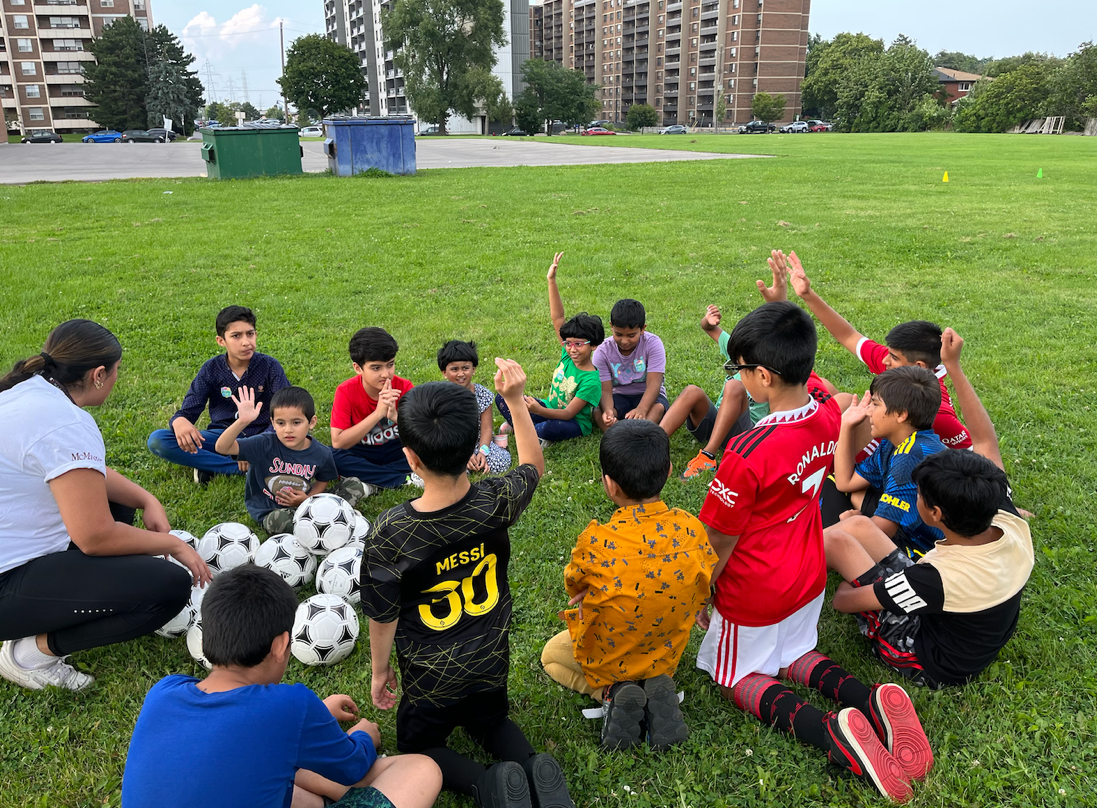
We focused on analyzing the potential of nature-based interventions within community settings to foster healthy active living and combat obesity among these vulnerable groups, emphasizing the importance of community engagement and the identification of gaps in current health and wellness programming.
Our study’s contribution
This study adds to the field by demonstrating the effectiveness of nature-based interventions to promote healthy active living among children from newcomer families.
• Highlighting the crucial role of community engagement in developing successful programs and identifies gaps in existing health and wellness programming
• Offering a structured framework and evidence-based recommendations
• The study paves the way for innovative, community-driven approaches to combatting childhood obesity and enhancing the well-being of vulnerable populations
Impacts for city policy and practice
Cities can use this approach and data to guide them in the development of programming. Integrating health promotion into urban planning, creating accessible green spaces, and fostering partnerships with local communities can enhance healthy active living programs. By focusing on the identified gaps and leveraging community insights, cities can develop more inclusive, effective public health policies that support the well-being of all children.
Further details on the SCORE! Project at McMaster University.
Further information
Full research article:
[OPEN ACCESS] Designing and implementing nature-based interventions in community settings: a scoping review by Shania Bhopa, Laura Banfield, Parsa Memon, Adam Watson, Ghanwa Afach, Emma Apatu, Gita Wahi, Diana Sherifali, Sohnia Sansanwal, Sujane Kandasamy, Patricia Montague, Amanda Sim, Andrea Baumann, Sonia S. Anand and Russell J. de Souza
Related posts

To improve health and wellbeing in cities, municipality employees, urban planners, architects, politicians, citizens, NGOs and funders can benefit by using the collective impact model for working effectively together.

Loneliness impacts hugely on our lives and there is appetite for solutions. Spending time in a place, bumping into one another could be one of them. Can we reframe how we think about spending time in a place? And should we?

Intertwining play and placemaking (‘PlaysMaking’) in Cork city has inspired positive changes in the spaces, places and lives of citizens. The barriers of high car dependence and a history of resistance to pedestrianisation policies in the city were overturned by levering play to temporarily pedestrianise areas in the city. Community led PlaysMaking in Cork City has secured the permanent pedestrianisation of public roads, creating inclusive recreational spaces and led to the creation of dedicated public spaces for popup events and playful cultural trails.