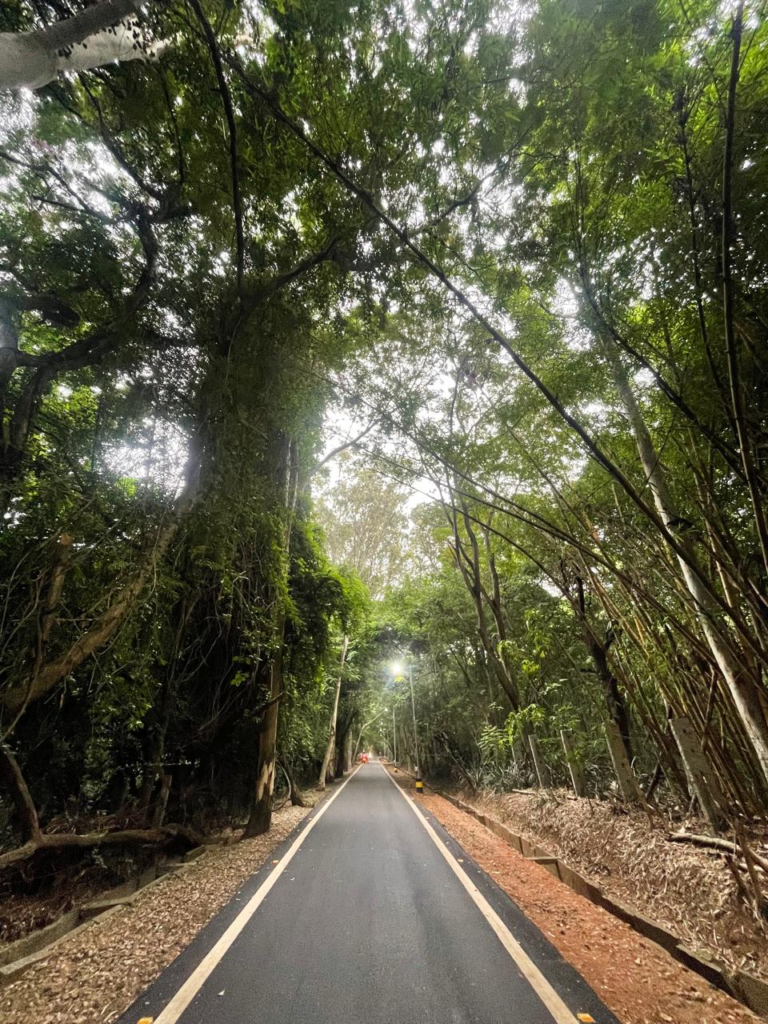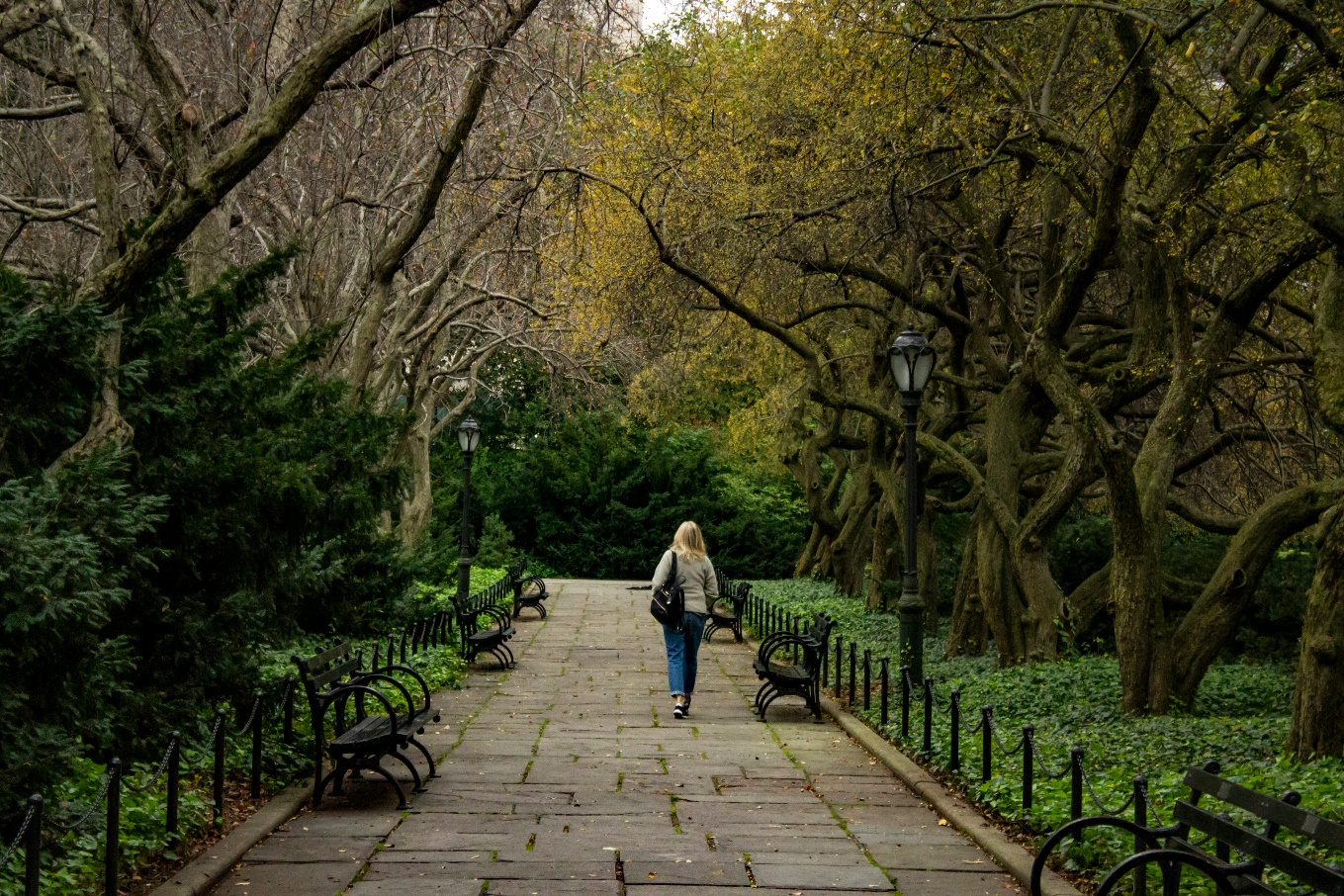
Our review highlights the lack of urban green and blue spaces interventions to prevent violence against women and girls. We look also at how interventions could prevent violence against women and girls, reduce inequalities, and reshape social, cultural, and societal norms; promoting use of urban green and blue space for women and girls.

Share

Target audience

Urban designers/planners; City councils; Public health researchers, policy makers and practitioners

The problem

Violence against women and girls (e.g., rape, stalking) often takes place in urban green and blue spaces, resulting in non-use and consequently a lack of potential health benefits for women and girls. Consequently, it is important to identify effective urban green and blue spaces interventions to prevent violence against women and girls, and to provide guidance to support the design, and implementation of future strategies.

What we did and why

We performed a scoping review of the literature (2012-2024, four databases) and identified eight urban green and blue space interventions aimed at preventing violence. Taking the findings of this review and previously published literature, we were able to develop an evidence-based conceptual model to guide future decision making in regard to violence against women and girls and urban green and blue spaces interventions.

Our study’s contribution

Our review highlights the lack of urban green and blue spaces interventions to prevent violence against women and girls; and the limited novelty and innovation regarding type and geographical location of urban green and blue spaces interventions. This enabled us to develop a conceptual model to guide and facilitate future research, policy and practice when developing innovative urban green and blue spaces interventions to prevent violence against women and girls. These interventions could prevent violence against women and girls, reduce inequalities, and inequities, and reshape social, cultural, and societal norms, through domains of pathways: surveillance; regeneration and reallocation of urban green and blue spaces; building community capacity; and promoting use of urban green and blue space for women and girls.

Impacts for city policy and practice

Policy makers and practitioners should authentically engage with women and girls to determine:
1) their vision for safe, accessible and inclusive urban green and blue spaces; and
2) the local context with reference to intersectionality.
This ensures women and girls have power in decision-making processes from the outset. Involving women and girls has the capacity to operate as a mechanism to prevent violence against women and girls, reduce inequalities, and inequities, reshape social, cultural, and societal norms, and positively influence a range of public health outcomes.

Further information

Full research article:

Related posts

Out-of-home built environment characteristics of urban heritage cores and their impact on age-friendliness

The deterioration of the built environment, as well as poor traffic and pedestrian conditions, creates obstacles to active mobility, active ageing and functional abilities among older adults residing in heritage city cores. This has negative impacts on their social inclusiveness, quality of life and well-being. The walled city, which encompasses Jaipur’s heritage neighbourhood, is one of the few planned cities in India, extending back to the 18th century, and is considered a tourist attraction. With an in-depth study, we use Jaipur’s walled city to examine how supporting a better quality of life for an ageing population can have co-benefits for the tourism economy.

Read More »