


How neighbourhood design influences older adults’ driving patterns
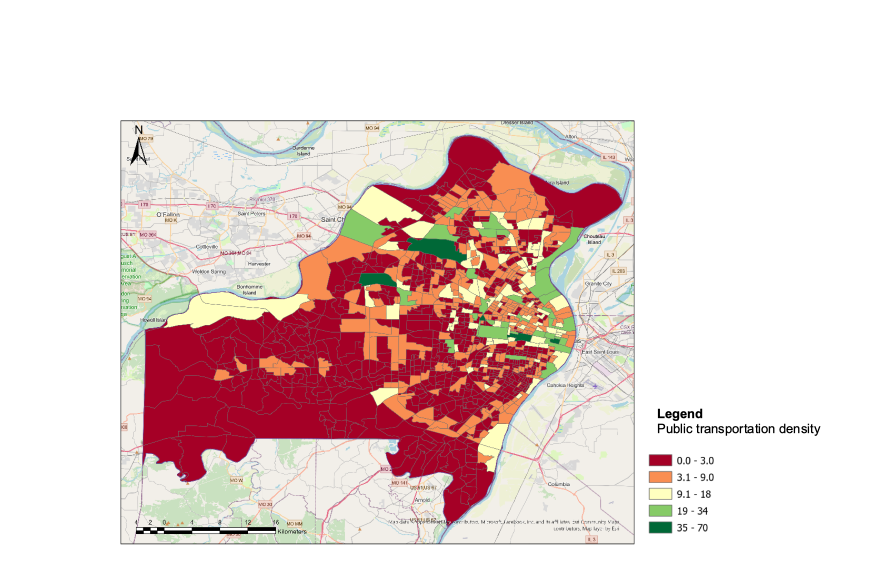
We demonstrate the strong influence of neighborhood transit access and land use on driving behavior. We highlight thresholds where built environment factors significantly impact driving patterns and provide evidence for integrating age-friendly design into urban planning.
Tackling urban city noise and hypertension in low- and middle-income countries: Insights from Indian soundscape
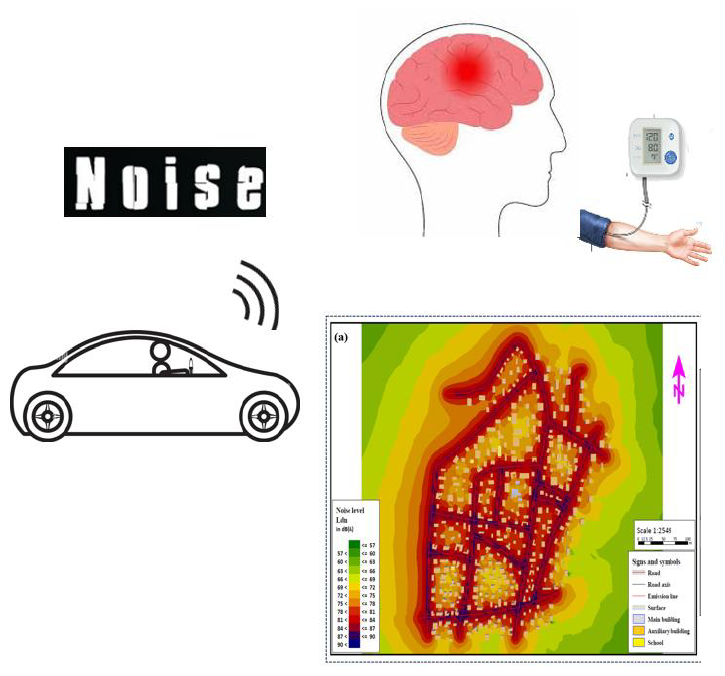
Our study provides robust, localized evidence from Srinagar, India, linking road traffic noise exposure to increased hypertension risk, particularly among women and highly stressed individuals. It highlights the inadequacy of applying high-income country data to low- and middle-income country contexts.
How walking and cycling in urban neighborhoods can foster local social cohesion
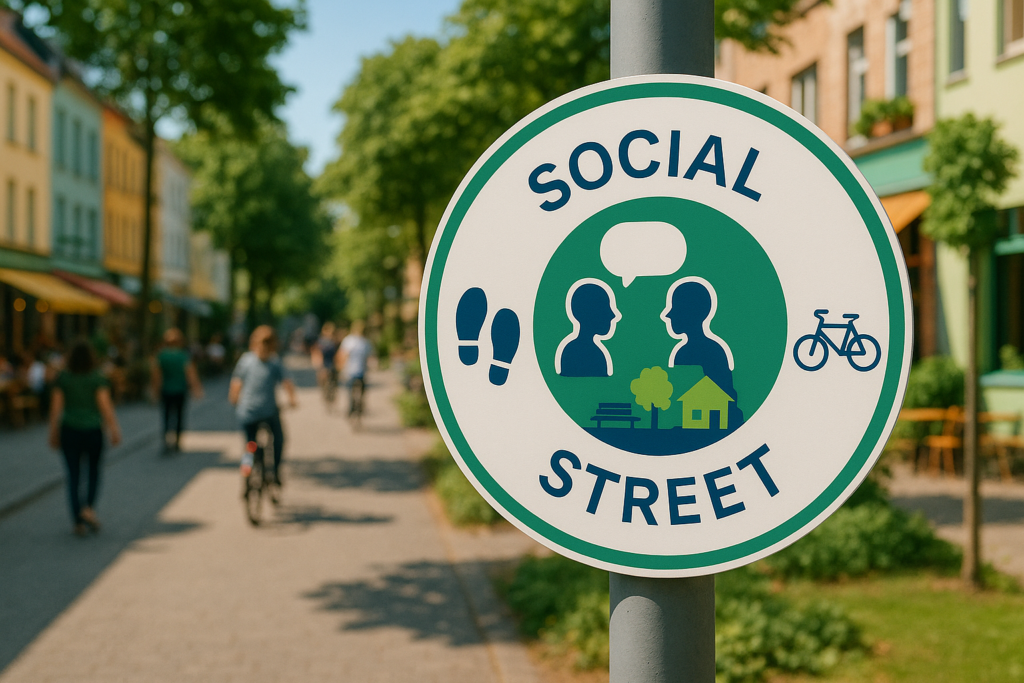
How does everyday mobility shape local social cohesion in cities? Our study shows that walking and cycling in the neighborhood create spontaneous, low-threshold encounters – and that these everyday interactions are vital for building healthier, more connected urban communities.