
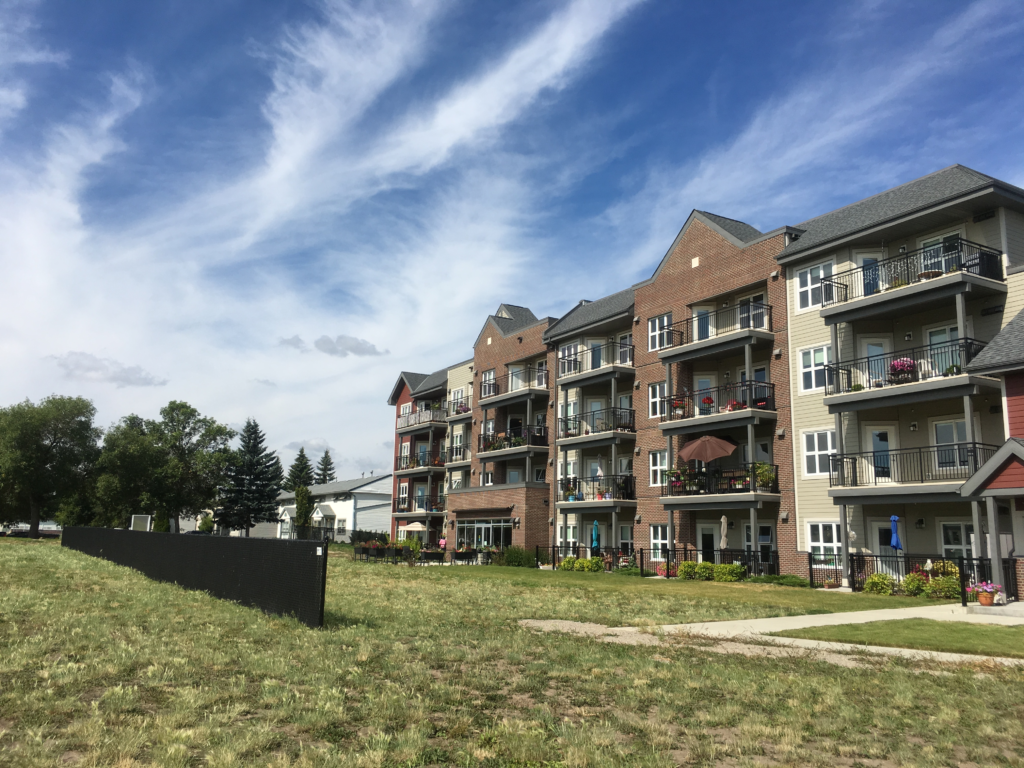
City Know-hows
Urban planners, economists, health and community policymakers and practitioners share insights in a new study on creating healthy food environments using urban planning policy and governance levers.
Share
Target audience
Take note: Planning Institute of Australia, Heart Foundation of Australia, Prevention Health Victoria. Public health and planning professions worldwide.
The problem
Urban planning policy has the potential to benefit food access through improving access to healthy food outlets and limiting access to unhealthy outlets; however,
What we did and why
This study aimed to understand stakeholder perspectives on urban planning policies and other factors that influence food access through the development of local food environments, and to identify governance opportunities to advance healthy equitable local food access and food environments.
Our study’s contribution
Regulation, urban planning policy, finance, coordination and partnerships are key governance actions and processes for the creation of healthy food environments; with political leadership as a driver for action and distributed leadership as essential for implementation.
Regulation, urban planning policy, finance, coordination and partnerships are key governance actions and processes for the creation of healthy food environments:
Land use, housing density, urban design and transport policies were used in tandem by local government to support the development of healthy equitable local food environments.
Impacts for city policy and practice
Local fine-grained data of food outlet access and associations with health outcomes is an important driver of political leadership at the local level, engages civil society as advocates for change and identifies geographic areas of inequity.
A multi-pronged approach to partnerships is essential, harnessing opportunities to bring healthy food access to both time-limited and ongoing coordinating platforms, as a standalone priority or as part of a broader focus on healthy built environments or liveable communities.
Further information
Healthy Active by Design (www.healthyactivebydesign.com.au)
Full research article:
Local food environments: stakeholder perspectives on urban planning and governance to advance health and equity within cities by Maureen Murphy, Helen Jordan, Hannah Badland and Billie Giles-Corti
Related posts

Our ‘adaptive bubble strategy’ illustrates how older adults protect themselves from virus transmission and maintain healthy living activities and psychological wellbeing with the support of the built environment during COVID-19.
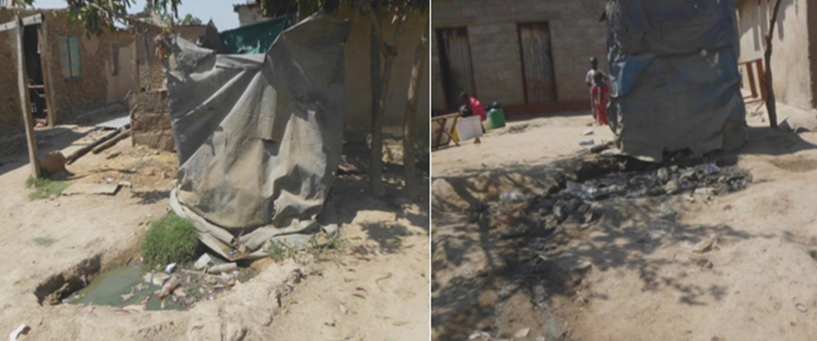
People living in informal settlements endure the disproportionate burden of health vulnerabilities due to poor living conditions, overcrowding and infrastructural neglect. I examine how social, economic, political and environmental forces converge to amplify health disparities in Harare’s informal settlements.
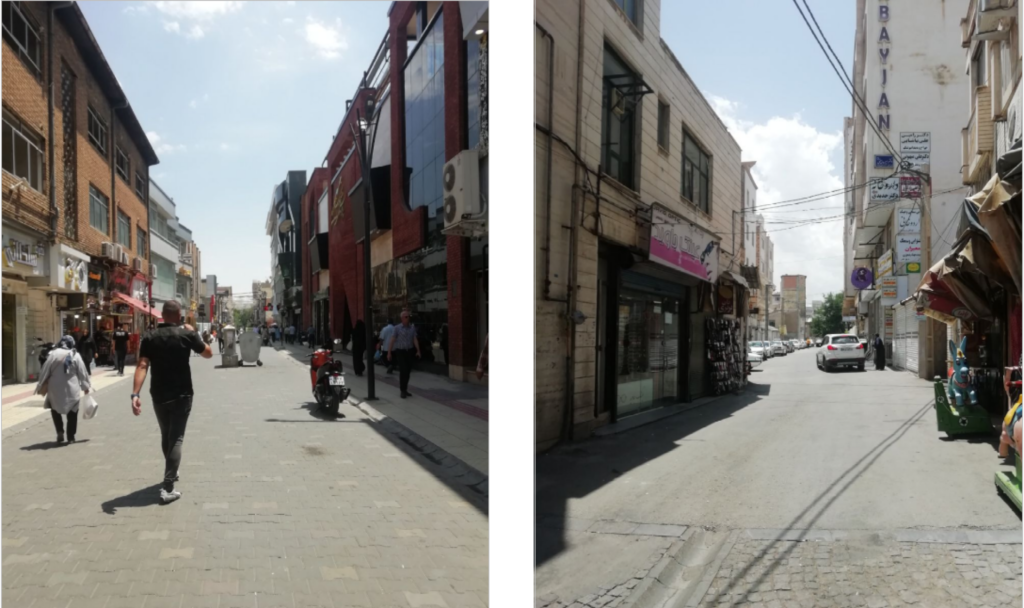
The high concentration of people and activities in cities makes them vulnerable to various stressors such as natural and man-made disasters. In the recent pandemic, the cities are the places where the transmission started. We investigated the impact of social, economic, and environmental indicators on the rate of COVID-19 disease in the neighborhoods of Urmia City, Iran. Our results show that the number of employees, gross residential density, number of elderly people, building density, commercial density and road density have a significant relationship in predicting the epidemic.