City Know-hows

Exploring the restorative and social value of urban running environments as third places in metro Manila, The Philippines

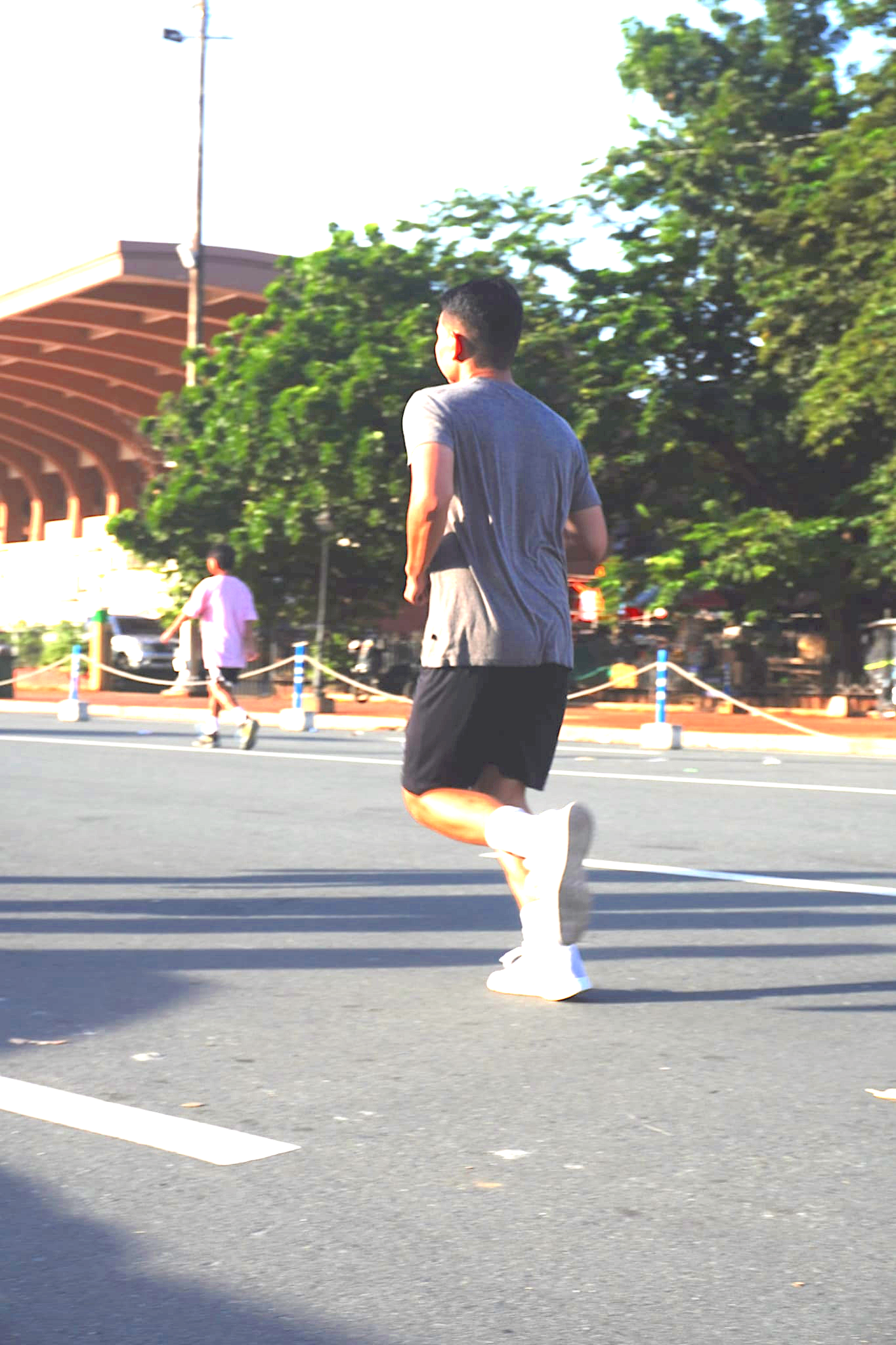
Runner at Quirino Grandstand. Image credit: Aldren Rocha, 2024.

In fast-paced environments, runners find refuge in open spaces. This study explores how popular running spots in Metro Manila become more than routes; they offer a “third place” where movement fosters meaning, where urban areas can offer caring spaces where people can breathe and connect with each other and re-connect with themselves.

Share

Target audience

Those who are work in rapidly urbanizing cities seeking to promote active living, mental well-being, and build community in public spaces.

The problem

Globally, many people have turned to outdoor running as a way to stay healthy physically, mentally, and socially. In Metro Manila, where daily life is fast-paced and stressful, not all running spaces are created equal. While some locations naturally draw people in and make them feel welcome and restored, others do not.

What we did and why

We asked runners across Metro Manila to rate their usual running spots, not just based on convenience or safety, but on how these places make them feel. Do they offer a sense of community? Do they reduce stress? Can people connect with others there, even informally? These questions are rooted in the idea of “third places”, spaces that are neither home nor work but still feel like a meaningful part of daily life.

Our study’s contribution

We show that even basic urban infrastructures, such as running routes, can function as informal “third places” that promote mental well-being and social connection. Our findings emphasize the importance of intentional design and thoughtful management in transforming everyday spaces into restorative environments. We argue that emotional and social dimensions should be central to urban design, not treated as secondary to function or aesthetics.
This study adds to the growing body of research on how public open spaces in dense cities like Metro Manila can actively support psychological health and community life.

Impacts for city policy and practice

We suggest reframing public running routes as spaces that support not only physical activity but also social interaction and mental restoration. To do this:
• Adopt design guidelines that prioritize emotional well-being, including dedicated areas for community gathering.
• Manage and program these spaces with attention to maintenance, safety, and diverse activities to maximize their restorative and social value.
• Promote a holistic approach to urban health by aligning physical infrastructure with psychological well-being and community outcome.

Further information

Full research article:

Related posts