


City Know-hows

Designing autism inclusive urban environments

Target audience

Urban designers, landscape architects, regeneration practitioners, Autism Spectrum Condition (ASC) advocacy groups and all those involved with the design of the public realm.

The problem

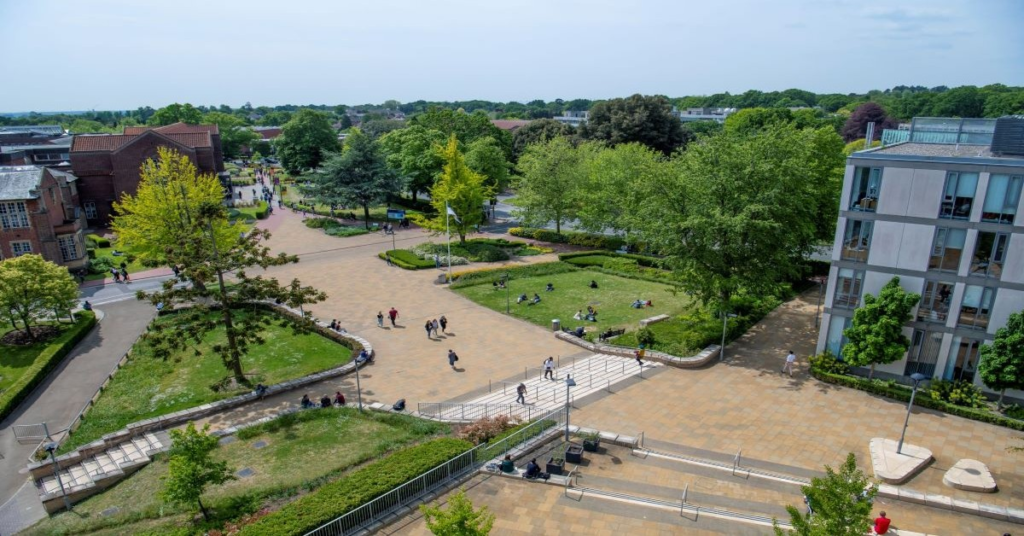
A growing body of research proves that city green spaces provide positive physical and mental health benefits, however, access is not universal. Cities are planned for and designed by neurotypical people and can neglect neurodiverse and disability needs. For many people with Autism Spectrum Condition, cities can be difficult to navigate due to the cognitive and social challenges inherent in the urban built environment and therefore limits inclusive health benefits of urban environments.

What we did and why

This paper aims to identify the impacts of the built environment on the walkability of a city for those with Autism Spectrum Condition. Using film, photography, and recordings, two alternative journeys from a transport hub to a public park are analysed. A focus group consisting of parents of children with Autism Spectrum Condition aid the investigation by analysing the material gathered, before suggesting potential solutions to the identified challenges.

Our study’s contribution

Suggestions to support inclusive access to meet Autism Spectrum Condition needs include:

  • Transition zones

  • Provision of dedicated quiet places in the city

  • Compartmentalisation of large spaces

  • Utilising technology before journeys alongside improving safety and signage.

Reflecting on the findings, this paper provides a number of urban design principles for the built environment which consider those with Autism Spectrum Condition that can support a shared urban built environment to be more inclusive for neurodiverse groups.

Impacts for city policy and practice

Urban policy has recently started to engage with making places inclusive for those with cognitive impairments such as Autism Spectrum Condition. Often measures to make cities more ‘autism-friendly’ are limited to the sensory environment of individual buildings and staff training and neglect to consider broader Autism Spectrum Condition needs, therefore environments are hostile to navigate. This research offers suggestions for planning practice to create the city as a sensorium through inclusive design that helps meet Autism Spectrum Condition sensory needs.

Further information

Not availble.

Full research article:

Autism spectrum condition and the built environment by Keith McAllister, Aine McBeth (@ainemcbeth) and Neil Galway (@neil_galway)

Related posts

Urban biodiversity helps with mental well-being, but we need to take more notice of it

As urbanisation continues globally, the interest in urban green space as a provider/supporter of mental well-being is still growing. The question has largely moved on from “Will a walk in the park help with mental well-being?” to “Will a walk in any park do?” Previous research suggested that urban green spaces with rich fauna and flora (i.e. rich biodiversity) improved mental well-being. However, the experimental evidence remains limited.

Read More »

Policy challenges and best practice to designing-in play in cities, a study from the UK

This study contributes to the broader discourse on urban design for children, offering insights into how cities can create more inclusive, engaging, and health-promoting environments. It supports and adds to existing literature, finding that the alignment of play initiatives with public health goals, and strong collaboration between local government departments are effective in supporting children’s play on the strategic level. It identifies barriers to play in policy, namely budget constraints and deprioritisation of play.

Read More »