City Know-hows
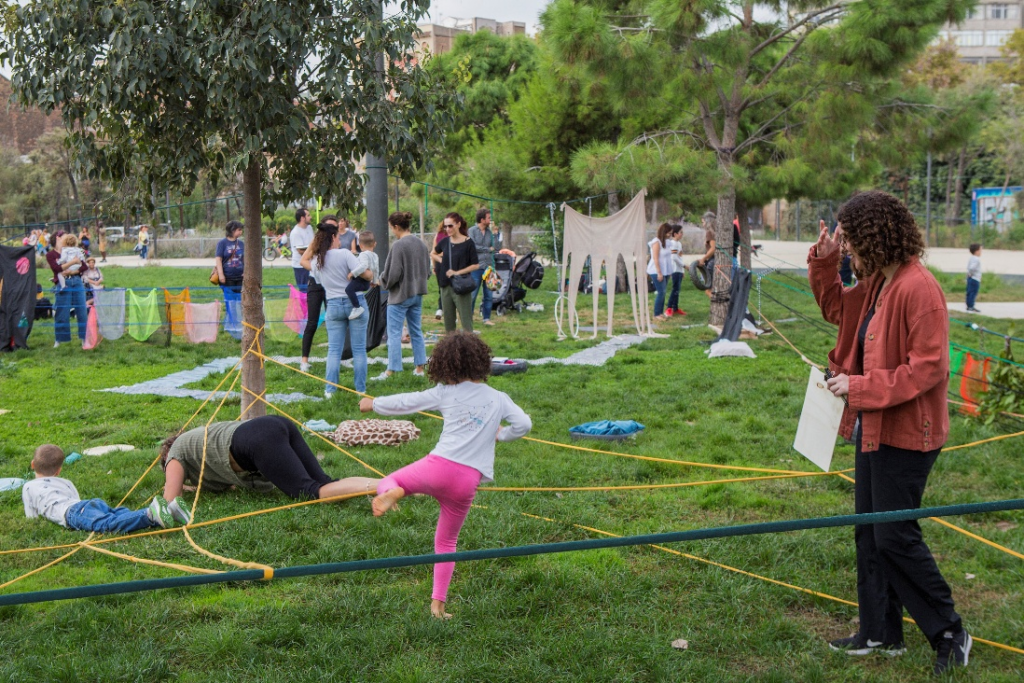
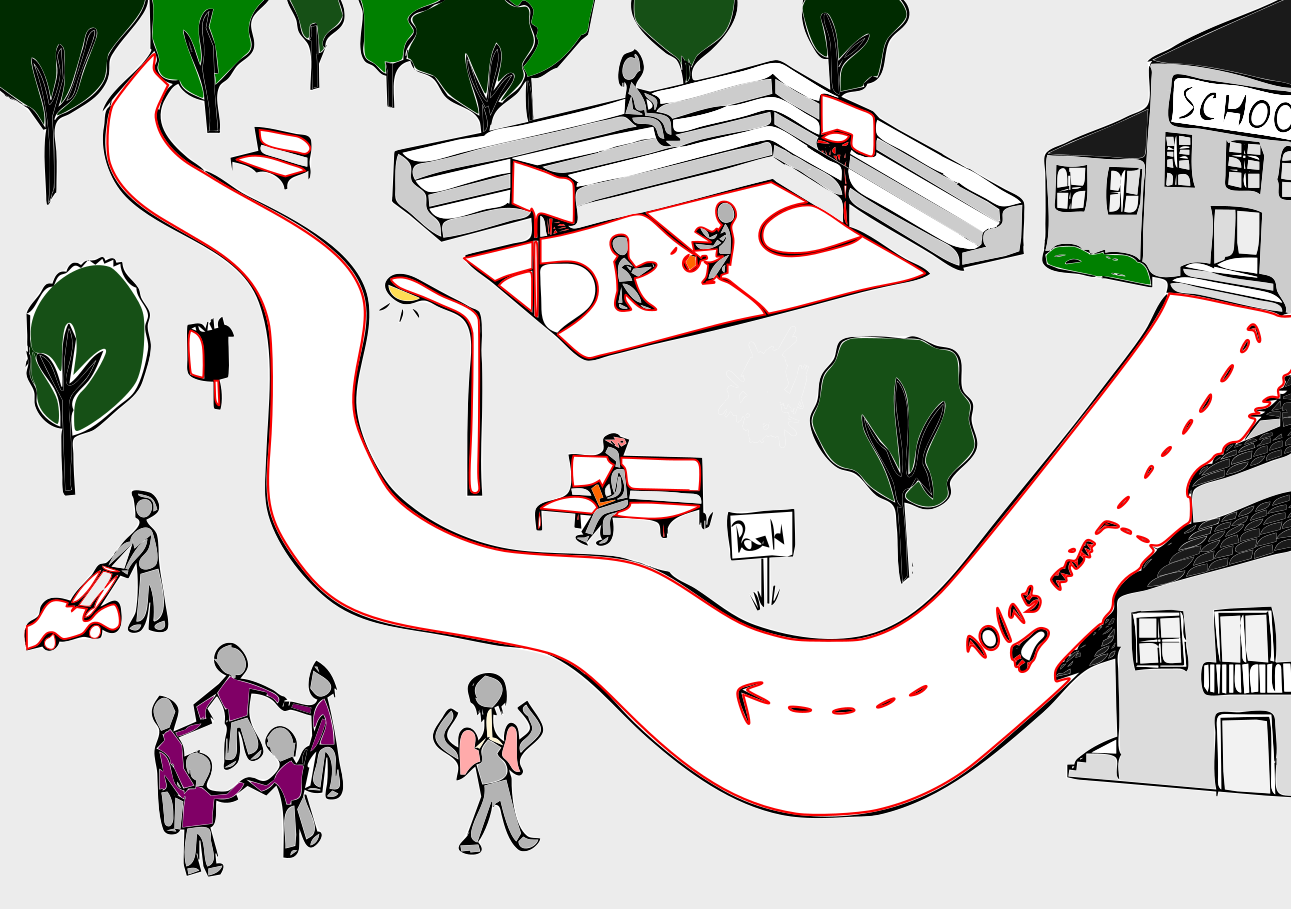
Adolescents value green spaces for physical activity, relaxation and socializing. Their perfect park? Large, diverse, and close to schools & homes. Involving youth in urban planning can promote healthier and liveable cities.
Share
Target audience
Researchers working in the fields of urban and environmental health; Urban planners and city architects; Local government officials or city council members; Community and youth organizations
The problem
Green spaces bring several health benefits. However, adolescents’ infrequent use of green spaces, especially in southern European cities like Porto, can be attributed to cultural and contextual factors, including limited green space, maintenance issues, and equipment scarcity. Thus, there has been a great push to enhance green space provision. However, achieving effective greening interventions requires understanding user perspectives, addressing barriers, and considering various age and socioeconomic groups to ensure universal access and youth-friendly spaces.
What we did and why
We explored the viewpoints of adolescents concerning their utilization of green spaces, the benefits they associate with them, and their preferences regarding the features of green spaces. Our investigation involved seven focus groups comprising 34 adolescents living in Porto Metropolitan Area, Portugal, with stratification according to socioeconomic status. This investigation was driven by the need to better inform urban planning decisions, ensure equitable access to green spaces, and understand their role in promoting adolescent health.
Our study’s contribution
Our study provides nuanced insights into how adolescents use and perceive urban green spaces, highlighting the significance of physical, emotional, and social affordances. It highlights the important role of multifunctionality and identifies substantial sex-based and socioeconomic differences in preferences and usage patterns. Importantly, our findings emphasize the potential of green spaces in reducing health inequalities, suggesting that design, maintenance, and proximity play crucial roles in maximizing benefits, especially in neighbourhoods with limited green space accessibility.
Impacts for city policy and practice
City policies should prioritize the creation and maintenance of multifunctional urban green spaces, considering both aesthetics and equipment provision. Proximity to residential areas, especially in regions with low green coverage, is vital. Recognizing gender and socioeconomic differences can guide design to cater to diverse needs. Specifically, ensuring quality green spaces near deprived neighbourhoods may reduce health inequalities. Additionally, integrating digital affordances, like a local inventory website, could further promote adolescent engagement with these spaces.
Further information
Further information from the Research Lab of the Team at Health and Territory and Generation XXI cohort website.
Full research article:
[OPEN ACCESS] Imagine your perfect park: a qualitative study on adolescents’ usage of green spaces, perceived benefits and preferences by Mariana Sampaio Costa, Diogo Queiroz Almeida, José Pedro Silva, Henrique Barros, Ana Isabel Ribeiro and Teresa Leão
Related posts

Our ‘adaptive bubble strategy’ illustrates how older adults protect themselves from virus transmission and maintain healthy living activities and psychological wellbeing with the support of the built environment during COVID-19.

Including health in local alcohol license decisions is not just about a dedicated Health Associated Licensing Objective (HALO): A Public Health Perspective – beyond the HALO effect!

Are you prepared for the health risks of extreme heat? Our new study shows that exposure to extreme heat increases the risk of mortality from Non-Communicable Diseases. Check out our systematic review of the effects of extreme heat, both indoors and outdoors, on health in the UK.