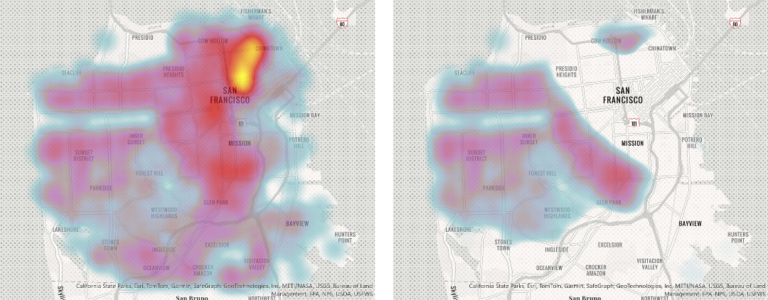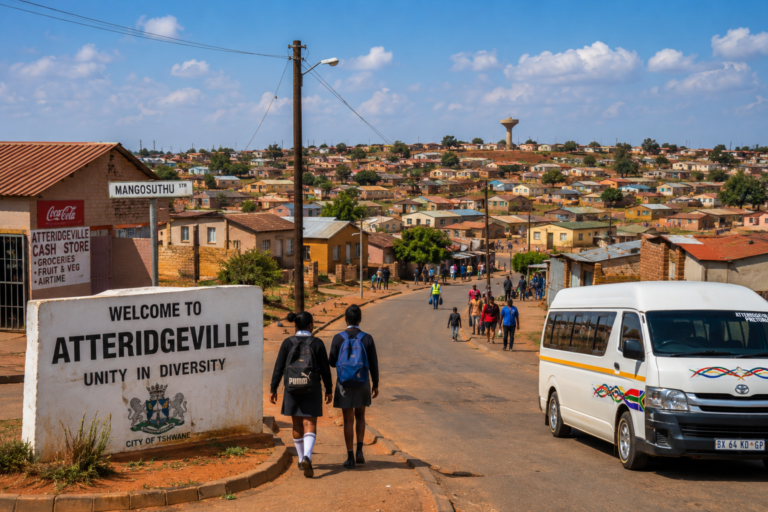
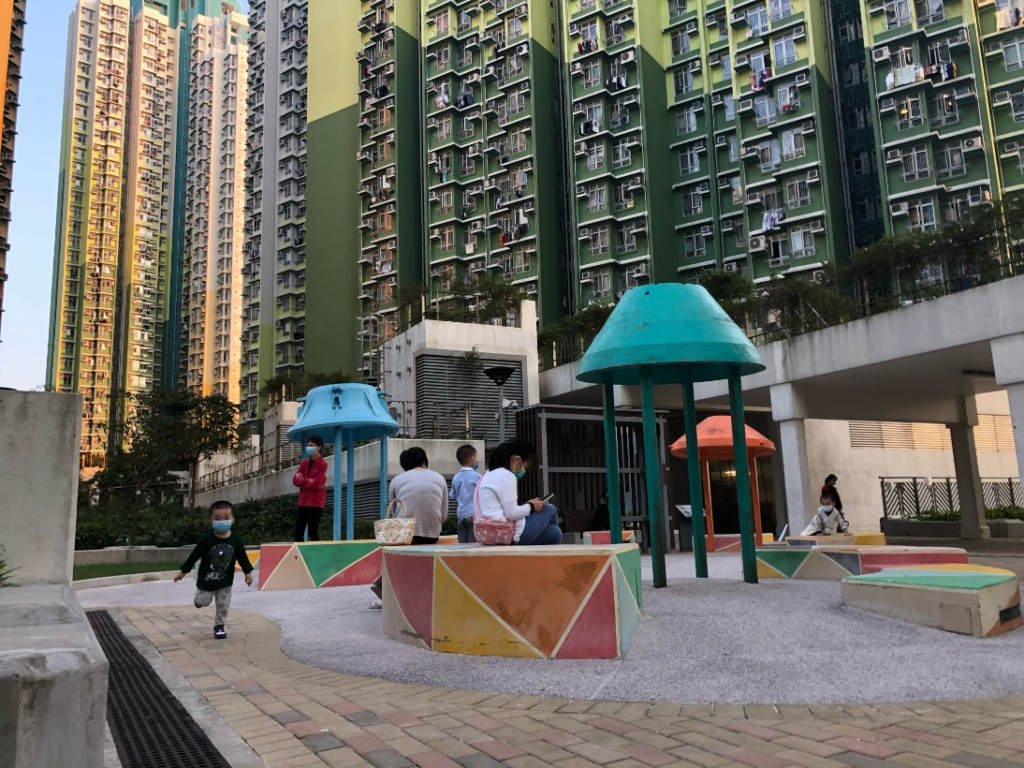
High-density urban environments significantly affect children’s play and well-being. This study provides current insights and explores potential solutions for enhancing play spaces in compact cities, aiming to promote a healthier and more sustainable urban future for children. Our goal was to synthesize current knowledge and provide guidance for improving play spaces in compact cities, ultimately contributing to more sustainable and liveable urban environments for children.
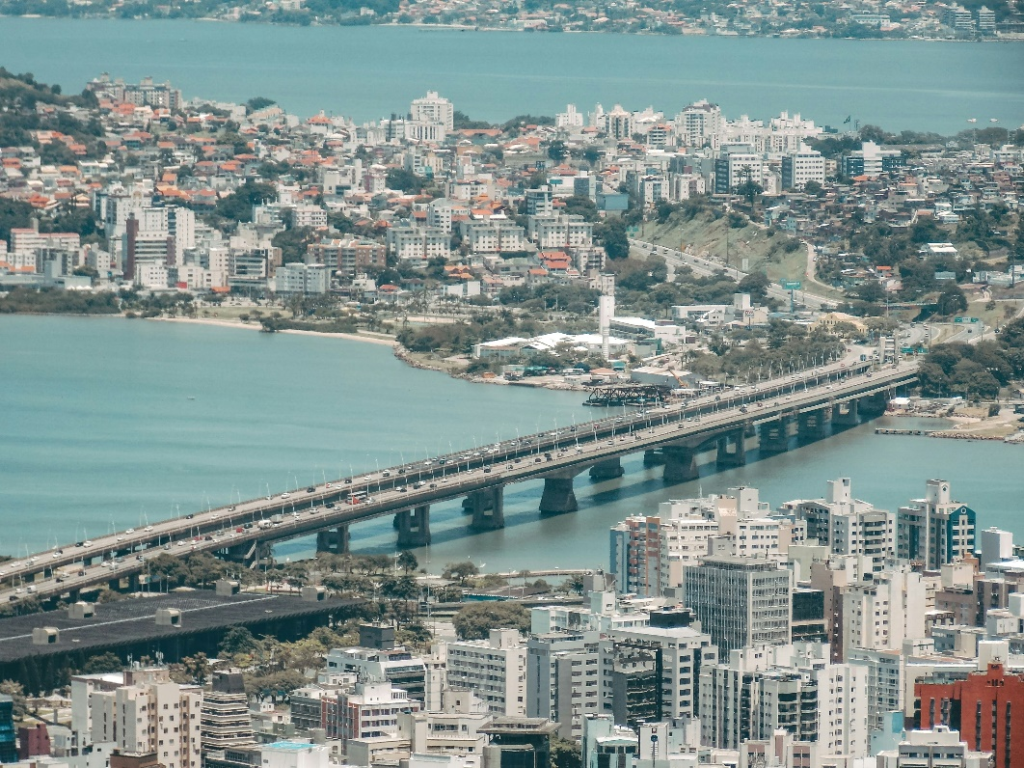
Walking around the neighborhood is good for older adults health, but the way older adults perceive their surroundings can affect this behavior. This topic has been discussed for some time in high-income countries. There, it is observed that older adults who live in neighborhoods with high residential density, diverse land use, good road connectivity, access to public transport, pleasant aesthetics, security against crime and traffic, presence of recreational facilities, infrastructure for pedestrians and cyclists, green spaces and visible parts of the sky are more likely to walk, whether for utilitarian or recreational purposes. On the other hand, in Latin American countries such as Brazil, where there is a significant increase in the older adults population and challenges related to urbanization and social inequalities, the relationship between the characteristics perceived of neighborhoods by the older adults and walking behavior is still unknown.

Emergencies can become transformative experiences for cities: an opportunity to rethink, replan and rebuild, and to push for changes that can make them more healthy, sustainable, equitable and resilient. We interviewed 12 cities on their practical experiences with local emergencies and disasters, identifying common challenges and lessons learned for the future.