

City Know-hows

Social and spatial predictors of winter outdoor engagement among older adults

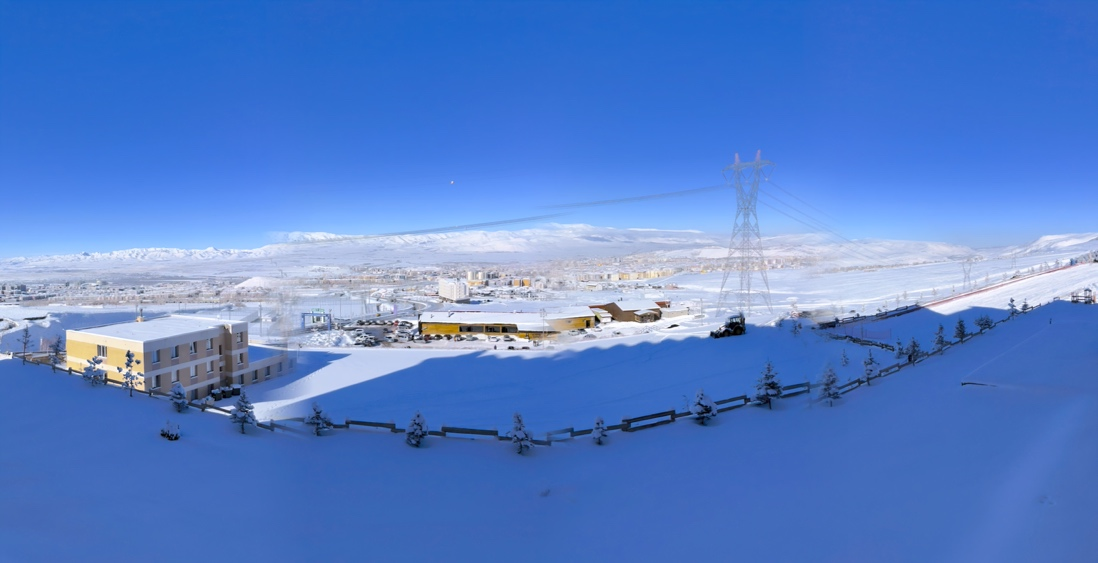
Life beneath the snow. Image Credit: Rümeysa Bayar

This study investigates how severe winter conditions affect the outdoor activity of older adults in Erzurum, Türkiye— a city known for its long and harsh winters. Based on a quantitative survey with individuals aged 65 and above, a binomial logistic regression model was used to identify key predictors of outdoor activity avoidance.

Share

Target audience

My findings offer actionable insights for local authorities, urban planners, and non-government organizations.

The problem

Better understanding the effects of winter weather conditions on older adults’ outdoor engagement.

What we did and why

I contend that as global populations age, fostering age-friendly environments becomes increasingly critical. However, scholarly discourse must extend beyond traditional urban planning frameworks. In this study, I integrate multidisciplinary influences to provide a more holistic understanding of age-friendliness. By moving beyond mere urbanism, I seek to develop more robust strategies that support older adults’ well-being across diverse geographical and social contexts

Our study’s contribution

Through this research, I highlight how the synergy between urban, social, and seasonal parameters uniquely reshapes motivational drivers for older adults. I argue that outdoor engagement is not static; it fluctuates as climatic shifts interact with social networks and spatial accessibility. Consequently, I propose that age-friendly strategies must transcend fixed urbanist models by adopting a dynamic framework that accounts for these multidimensional, season-specific influences on elderly mobility and well-being

Impacts for city policy and practice

Urban policies must evolve beyond static designs to accommodate seasonal variability. To enhance age-friendliness, I recommend that city planners:
• Implement climate-sensitive infrastructure, such as heated walkways or sheltered social hubs.
• Adapt social programming to counteract seasonal isolation during winter.
• Integrate meteorological data into spatial planning to ensure year-round accessibility.
My findings emphasize that age-friendly cities require dynamic strategies that synchronize physical environments with seasonal realities

Further information

Full research article:

Related posts

Unlocking food access in rural Jordan: Evaluating land use regulations in Annuaymeh village

Through field observations, surveys with the residents, and interviews with decision-maker, we identified key variables that define food access in rural areas in Jordan, mapped access to food services according to the identified variable. and assessed food access in relation to land use regulations. Our work investigated frameworks governing the allocation of food service establishment locations, spatial requirements, integration into city masterplans, equitable distribution of food service types, and pertinent legislative frameworks.

Read More »