City Know-hows
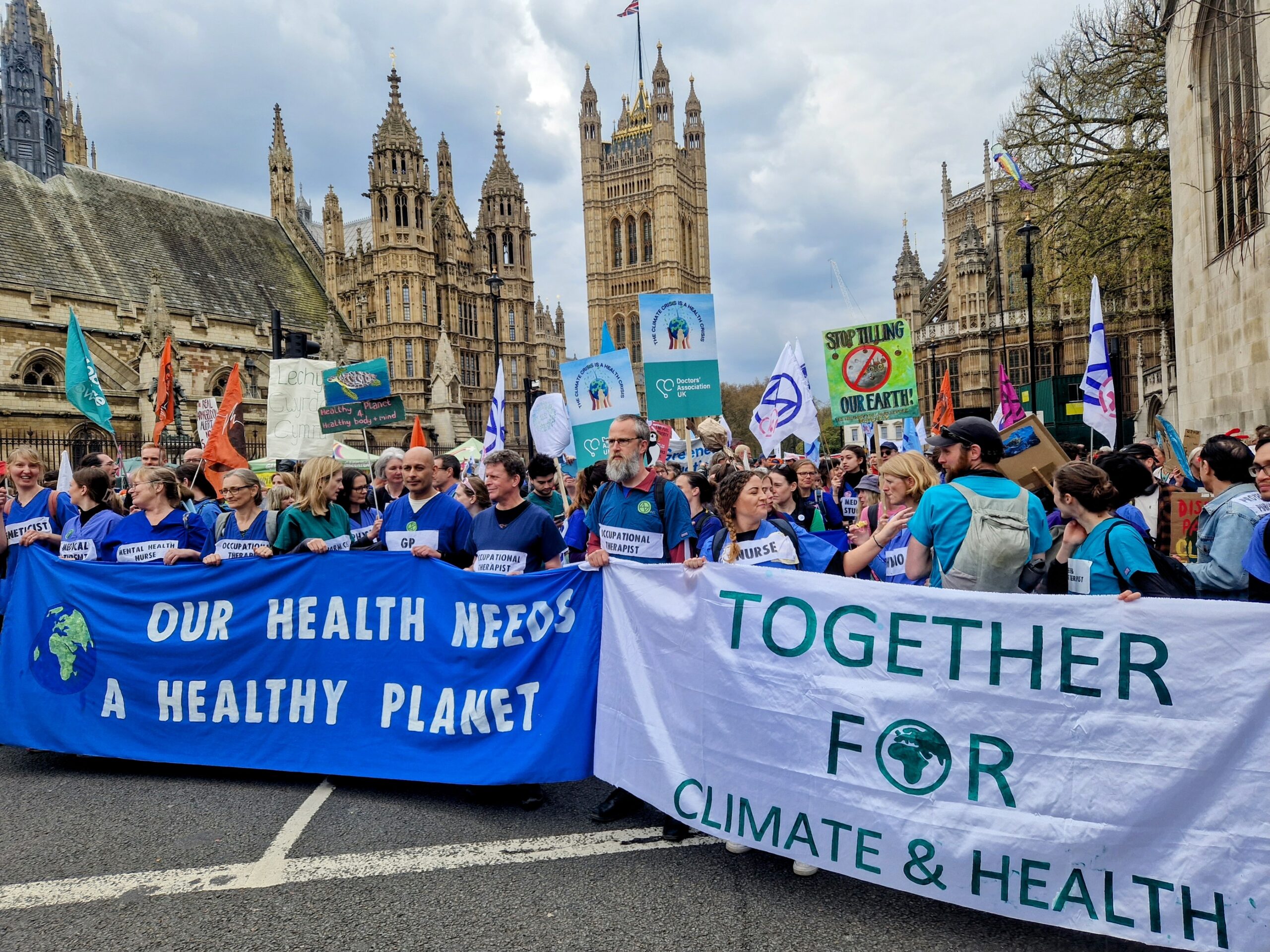
The world is currently responding to the climate crisis and the nature crisis as if they were separate challenges. This is a dangerous mistake. The are leading to dire impacts for our health
Share
Target audience
The World Health Association; National agencies for climate; National agencies for biodiversity; Health professionals, at all levels; Political leaders.
The problem
Many commitments made at the Convention on Biological Diversity internation meetings have not been met. This has allowed ecosystems to be pushed to the brink, greatly increasing the risk of arriving at ‘tipping points’, abrupt breakdowns in the functioning of nature. If these events were to occur, the impacts on health would be globally catastrophic.
What we did and why
We reviewed the twin climate and nature crises under the pre-conditions for WHO to declare a situation to be a Public Health Emergency of International Concern. These are are that it:
1) is serious, sudden, unusual or unexpected;
2) carries implications for public health beyond the affected State’s national bor- der; and
3) may require immediate international action.
Our study’s contribution
Climate change would appear to fulfil all the conditions for a global health emergency. While the accelerating climate change and loss of biodiversity are not sudden or unexpected, they are certainly serious and unusual.
As such the level of risk, combined with the severe impacts on health already occurring, means that the World Health Organization should declare the indivisible climate and nature crisis as a global health emergency.
Impacts for city policy and practice
First, we must recognise this crisis for what it is: a global health emergency. With regard to this, we strongly advocate that:
WHO declare this situation to be a Public Health Emergency of International Concern.
National agencies ensure better integration of national climate plans with biodiversity equivalents.
Health professionals, at all levels, be powerful advocates for both restoring biodiversity and tackling climate change for the good of health.
Political leaders recognise both the severe threats to health from the planetary crisis as well as the global and local benefits that can flow to health from tackling the crisis.
Further information
Full research article:
Time to treat the climate and nature crisis as one indivisible global health emergency by Kamran Abbasi, Parveen Ali, Virginia Barbour, Thomas Benfield, Kirsten Bibbins-Domingo, Gregory E. Erhabor, Stephen Hancocks, et al.
Related posts

There are so many neighbourhood-level drivers that impact our health that making sense of all the data can be difficult. This tool helps us understand

Rates of adolescent mental ill-health have risen sharply in recent decades. Urban parks are valuable mental health resources, yet the mental wellbeing needs of adolescents are often overlooked. I show that by examining planners’ perspectives on why this gap exists helps to illuminate concrete actions and strategies to ensure parks can be healthier and more accessible for all.

Emergencies can become transformative experiences for cities: an opportunity to rethink, replan and rebuild, and to push for changes that can make them more healthy, sustainable, equitable and resilient. We interviewed 12 cities on their practical experiences with local emergencies and disasters, identifying common challenges and lessons learned for the future.