City Know-hows

Want diversity? Collaborate and plan with members from equity-deserving groups 

People from equity-deserving groups have unique needs, barriers, and priorities that need to be addressed in order to create inclusive and accessible active transportation. This paper highlights some of the complexities of planning for different cultures, languages, ages, and abilities. Recommendations are made to support municipalities with creating better active transportation infrastructure and policies.

Share

Target audience

Municipalities, law enforcement, public transportation planners, city planners, politicians, advocates.

The problem

Given the current climate crisis, and troubling physical inactivity levels, it is imperative that we create active transportation infrastructure and policies that improve uptake. In high income countries, active transportation users are more likely to be older, white males. Neighbourhoods exacerbate this disparity, as high-income neighbourhoods tend to have better infrastructure to support active transportation. Our goal was to understand the barriers, needs, and priorities of equity-deserving groups to begin addressing this disparity.

What we did and why

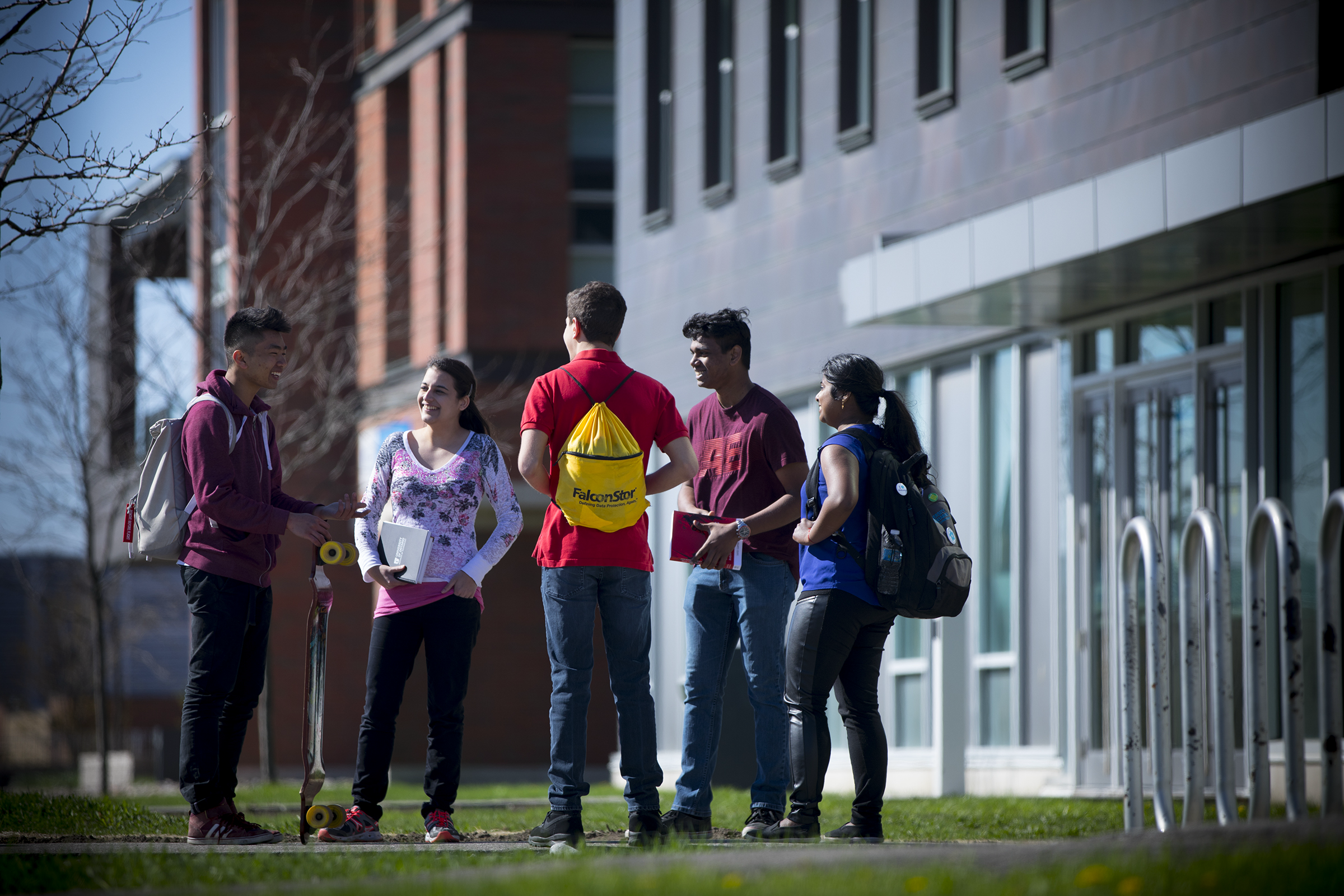
We conducted interviews and focus groups with 21 adults who identified from various equity-deserving and intersectional groups. This method provided us with unique insight into the true issues that people in the community are facing when it comes to engaging in active transportation.

Our study’s contribution

Our study fills a critical gap in transportation planning, as data clearly indicate that the barriers faced by equity-deserving groups are unique in many ways, and are not being addressed by planners and policy-makers.
We found clear cultural and language issues that make navigating through our city more challenging and stressful, especially for newcomers. There were several safety concerns that were raised that are unique to equity-deserving groups.

Impacts for city policy and practice

Our research underscores the urgency for city policymakers, planners, and politicians to prioritize the perspectives and needs of equity-deserving communities in active transportation planning. Incorporating these insights can lead to more inclusive and effective strategies that address systemic barriers and promote equitable access to mobility options.

Further information

Full research article:

Related posts

City farmers’ collaborations for biodegradable wet waste processing

Improper solid waste management causes significant environmental damage. In India, solid waste management is a major challenge, particularly for urban local bodies. While larger cities have access to sufficient funds to provide solid waste management services, smaller cities with limited resources struggle to sustain financially viable solid waste management operations. Consequently, solid waste often ends up in landfills, contaminating the environment instead of being processed effectively. At the same time, the excessive use of chemical fertilizers in agriculture degrades soil health and further contaminates the environment.

Read More »

The first overview of a now deleted federal program planning for climate change and public health: The Climate Ready State and Cities Initiative

Anthropogenic climate change is bringing with it a whole host of deleterious public health impacts. People will die and suffer disproportionately following inequitable societal structures. With every passing year time to mitigate and adapt to anthropogenic climate change slips away. The time is now to deliberately plan for the health impacts that are now ‘baked in’ for centuries to come.

Read More »