
City Know-hows

How gentrification shapes health: voices from Porto’s changing neighbourhoods

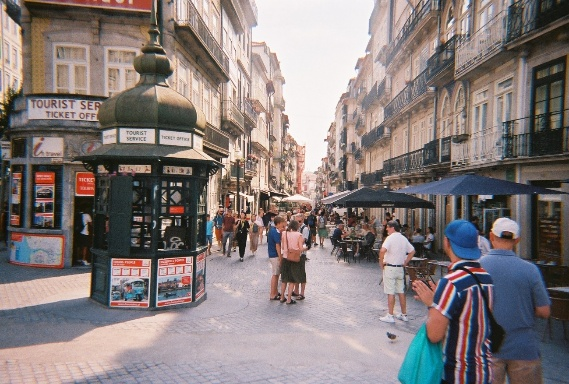
Tourist-oriented spaces are increasingly reshaping Porto’s urban landscape. Residents say these changes disrupt local life, erode community identity, and limit access to essential services. Imaget: Photograph by study participant (used with permission via the HUG Project) https://www.hug-project.com/photovoice

Urban redevelopment in Porto is transforming neighbourhoods—but at what cost to health? Our study uses photography and personal stories from older residents to reveal how gentrification brings both opportunities and risks, impacting daily life, well-being, and community identity.

Share

Target audience

Urban planning officers; Public health professionals; Municipal and regional government; Policy makers.

The problem

Gentrification reshapes cities, but its health effects are poorly understood. In Porto, older residents experience both benefits (e.g., green spaces) and harms (e.g., noise, displacement). These changes affect mental health, mobility, and access to services—yet their voices are rarely included in planning.

What we did and why

We ran a photovoice study with residents from gentrifying, deprived, and affluent areas of Porto. Participants captured 458 photos and joined group discussions to reflect on gentrification’s health impacts. We analysed both visual and narrative data using an environmental and social framework.

Our study’s contribution

Our work offers: First-hand insights from older residents on urban change and health; A method combining photography and storytelling to capture lived experiences; Evidence of both positive (e.g., mobility, greenery) and negative (e.g., noise, insecurity) health impacts linked to gentrification.

Impacts for city policy and practice

We urge city leaders to:

  • Design inclusive renewal policies that prevent displacement;
  • Evaluate health equity before implementing redevelopment;
  • Protect access to housing, healthy food, and green space in tourist-impacted areas.

Community voices must guide urban planning to promote healthier, fairer cities.

Further information

Full research article:

Gentrification, physical environment and perceived health: a combined visual and textual analysis from a photovoice study conducted in Porto, Portugal by Luísa Alvim Barateiro, José Pedro Silva, Ignacio de Loyola González-Salgado & Ana Isabel Ribeiro.

Related posts

Informing the design of public greenspaces to optimise wellbeing outcomes for the general population

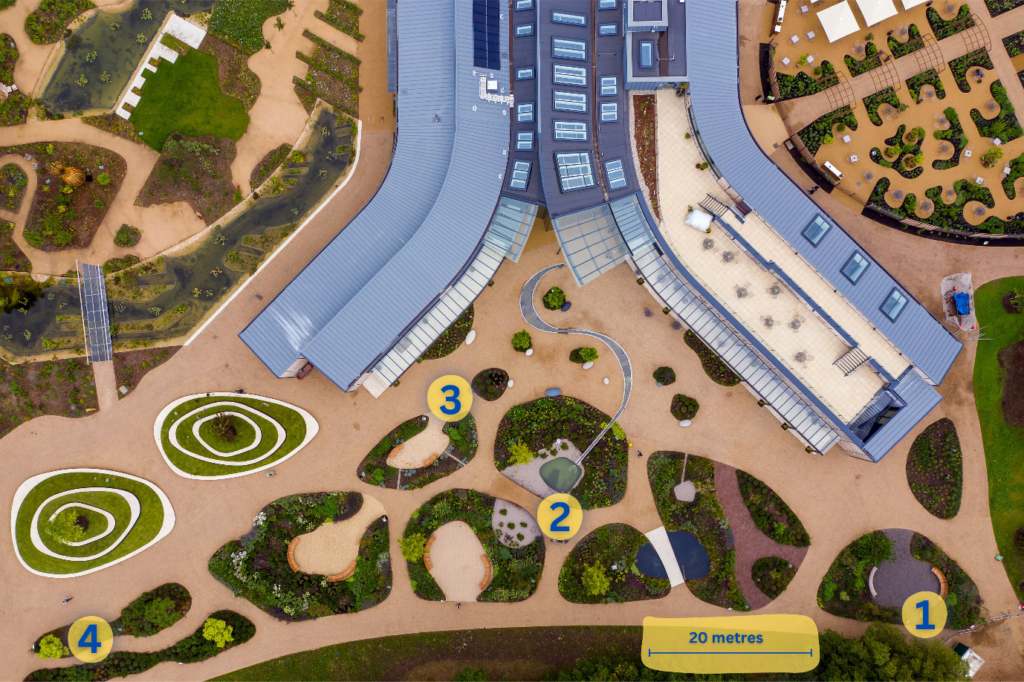
Our findings highlight how different features including sounds of flowing water, open seating areas, far-reaching views, and a variety of planting (colour, height, texture, scents, attracting wildlife) within a garden influence emotional reactions and perceived restoration. These findings help build a wider picture of the lived experiences of garden users and how their wellbeing may be influenced by specific garden features. We intend our findings to support design guidelines of public greenspaces concerning human wellbeing.
Read More »