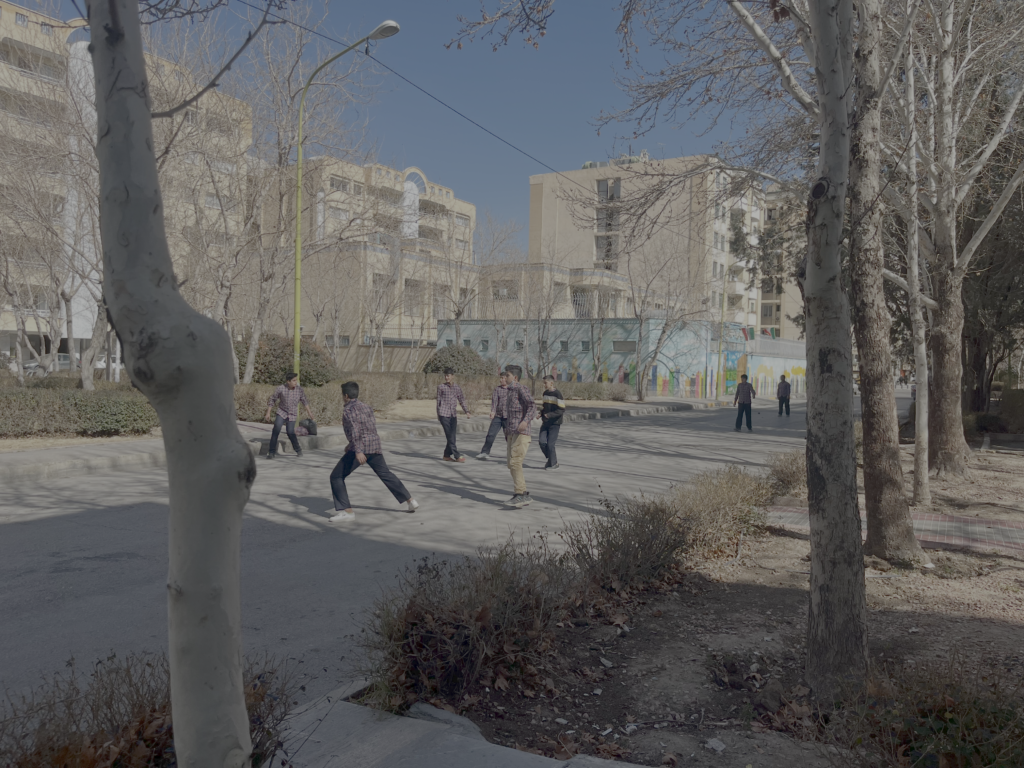
The study by collecting data from a sample in a developing and rapidly urbanizing country in South Asia highlighted the importance of green space interventions to promote urban dwellers’ contact with urban green spaces and physical activity levels. Moreover, it highlighted differences in urban green space usage behaviours based on differences in sociodemographic characteristics, suggesting the necessity to target certain sub-population groups more than others.

Share

Target audience

  • Policy-makers, particularly in lower-middle and low-income rapidly urbanizing countries, seeking to address the mental health burden through sustainable and cost-efficient approaches.
  • Health professionals, particularly in lower-middle and low-income rapidly urbanizing countries, seeking to improve mental health outcomes through non-clinical strategies.
  • Community health workers, particularly in lower-middle and low-income rapidly urbanizing countries, who seek to promote healthier behaviours among local communities.
  • Environmentalists championing for the restoration and expansion of green spaces.
  • Individuals, particularly in lower-middle and low-income rapidly urbanizing countries, seeking to optimize their health outcomes and aiming to minimize their contact with the healthcare systems.

The problem

Mental disorders have become one of the leading contributors to the global health-related burden today and represent a huge cost to individual lives and a tremendous economic challenge with respect to the accompanying healthcare costs, compromised productivity of the patient as well as the caregiver, medicine costs, and informal care costs. Yet, health systems across the world are not responding adequately to the current burden of mental disorders, and the gap between the need for treatment and its provision is wide.

What we did and why

We examined the urban green space users’ self-perceived mental health benefits of visiting urban green spaces, the influence of urban green space usage behaviours on users’ self-perceived mental health benefits of visiting urban green spaces, and differences in urban green space usage behaviours based on differences in socio-demographic characteristics by collecting data from a Pakistani sample. Pakistan is faced with a tremendous burden of chronic mental health challenges, and it was considered imperative to produce practical evidence that could assist the stakeholders in making informed decisions to prevent and manage mental health conditions.

Our study’s contribution

A burgeoning amount of evidence today has been affirming the mental health benefits of visits to urban green spaces. However, this subject has not been adequately investigated in Asia’s lower-middle and low-income rapidly urbanizing countries. To fill this knowledge gap, we conducted this study by collecting data from a Pakistani sample, as Pakistan is not only faced with a tremendous burden of chronic mental health challenges but also has the highest rate of population growth and urbanization in the South Asian region.

Impacts for city policy and practice

Our study has highlighted the necessity of green space interventions to promote urban dwellers’ contact with urban green spaces and physical activity levels. These green space interventions should be inclusive of social promotion activities (e.g., awareness campaigns, collaboration with local organizations) accompanied by physical changes, such as developing green spaces in ways that help overcome low urban green space usage and activity intensity levels among the general population and the sub-population groups with low urban green space usage.

Further information

Community Health Impact Coalition: https://twitter.com/join_chic; CHW Central: https://chwcentral.org/; 1 million community health workers: https://twitter.com/1mchw; Greenpeace: https://www.greenpeace.org/international/; Earth Island Institute: https://www.earthisland.org/; Nature Friends International: https://www.nf-int.org/en

Full research article:

Related posts

Community voices on outdoor gyms: A qualitative study among municipal officials and residents from Arab localities in Israel

We interviewed ten municipal officials and 23 residents in four Arab towns, and observed five outdoor gyms. We wanted to understand how outdoor gyms are perceived, what barriers limit their use, and what strategies could make them more effective. This was the first study of its kind in Arab towns in Israel, but it also speaks to underserved communities worldwide where informal urban development and limited resources shape access to healthy environments.

Read More »

A psychology and power intervention to help decision-makers prioritise health in ­­­urban development

Evidence overwhelmingly suggests that the built environment has an impact on people’s health, particularly in terms of noncommunicable diseases such as asthma, diabetes and poor mental health. However, health is rarely prioritised in urban planning decisions at present, and earlier work by this research group has shown that senior decision-makers feel they lack the power to influence planning and policy decisions in order to improve the situation. This intervention area adds to the wider research programme, which is focused primarily on the delivery of quantifiable socio-environmental and health economics valuations. People make decisions not just based on economic valuation, so an understanding of why people make decisions and how those decisions can change is essential. This paper describes the methodology that will be used to develop this intervention. Findings will be published later.

Read More »