


Public acceptability of takeaway management zones near schools

Who supports proposals to manage if, when and where new takeaways can open near schools? According to our recent study,over 50% of adults living in Great Britain!
Challenges and paradigms to evaluate the relationship of urban environments with population health

Our study introduces and reviews how the built environment and its relation to population health are assessed in the literature. We did this by identifying methodological shortcomings and research potentials that need to be addressed jointly. Our assessment aims to undertake multiple health issues in an integrated manner, and identify priorities within the city whereby health is a primary goal.
How does apartment kitchen design affect resident’s experiences of home cooking?

Apartment kitchens need to be better designed to support healthy food practices.
Could streetscape design alleviate anxiety?
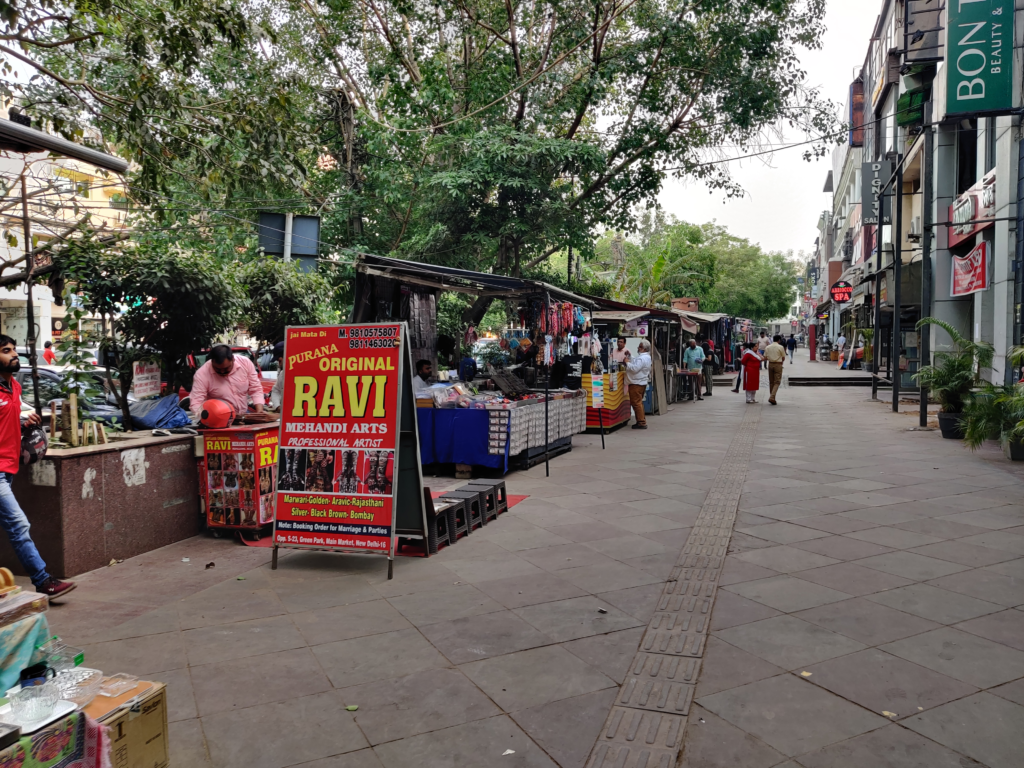
We ask whether streetscape design can be used to alleviate anxiety. Let’s understand how we can alleviate anxiety of the people on streets through their daily experiences while walking.
Regenerating small historic villages: Critical issues, strategies and visions for salutogenic hamlets

The study investigates critical issues and strategies for the regeneration and valorisation of small historical villages through interviews with opinion leaders. The debate is strengthened by the analysis of scientific literature and concrete cases in Italy.
Peri-urban landscapes and the potential of integrated foodscapes to support healthy cities
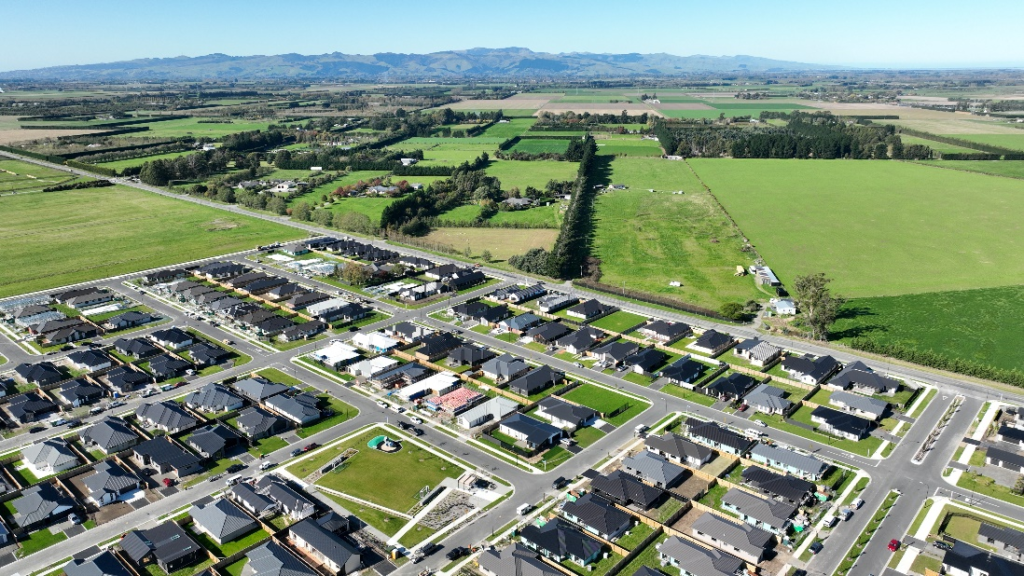
As the global urban population grows, food production and housing are currently ‘competing’ with each other for land on the edges of cities. Both essential urban components, this research supports town planning and urban design professionals to explore alternative peri-urban land use typologies, where food production and housing co-exist for greater urban health and resilience.
Which tool to choose? An evaluation of the design and implementation of healthy planning frameworks in the UK
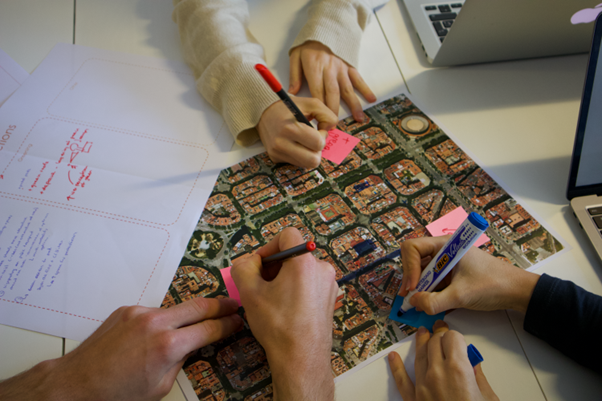
With so many different forms of guidance available for incorporating health into planning, our study evaluated what makes a healthy planning framework successful.
How can indicators support planning for healthier and more resilient cities?

As emerging challenges have made urban areas increasingly vulnerable, jeopardizing the health and well-being of their inhabitants, resilience should be seen as a pathway for healthy cities and integrated into urban planning practices. This study shows if and how existing indicator frameworks can identify urban systemic vulnerabilities and priorities for resilience building to provide local authorities with evidence crucial in planning for healthy and resilient cities.
Identifying the best strategies and actions for cities to build urban resilience: a review of the evidence

Cities need to be aware of their vulnerabilities to local emergencies. They also need to understand which urban planning, design and management strategies work best to build resilience. We reviewed the latest scientific evidence to identify the most effective preparedness strategies for different emergency scenarios, analysing co- and dis-benefits among them. Ideas and tools for local authorities and communities in general to build back better.
Urban planning for health: experiences from 12 European cities on building resilience

Emergencies can become transformative experiences for cities: an opportunity to rethink, replan and rebuild, and to push for changes that can make them more healthy, sustainable, equitable and resilient. We interviewed 12 cities on their practical experiences with local emergencies and disasters, identifying common challenges and lessons learned for the future.