


Safe, healthy, and accessible neighbourhood public spaces transform children’s lives in cities
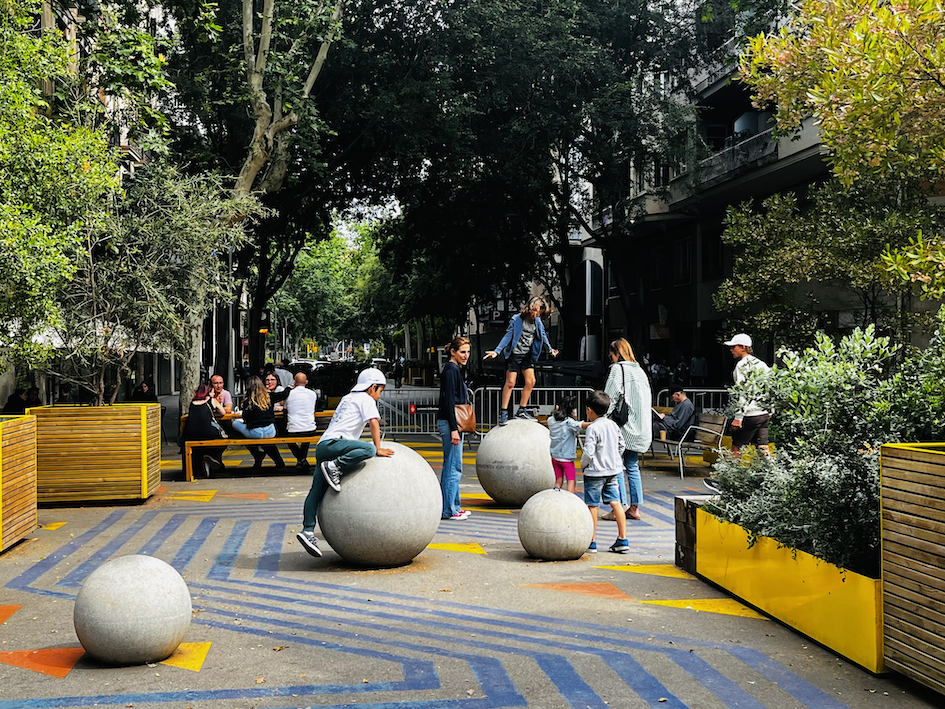
This paper investigates how health-promoting planning strategies are leveraged in place-based urban transformation initiatives to develop public spaces within neighbourhoods to improve children’s and community wellbeing. Safe, healthy, and accessible neighbourhood public spaces transform children’s lives in cities.
How to design neighbourhood outdoor spaces to improve the mental health of all citizens?
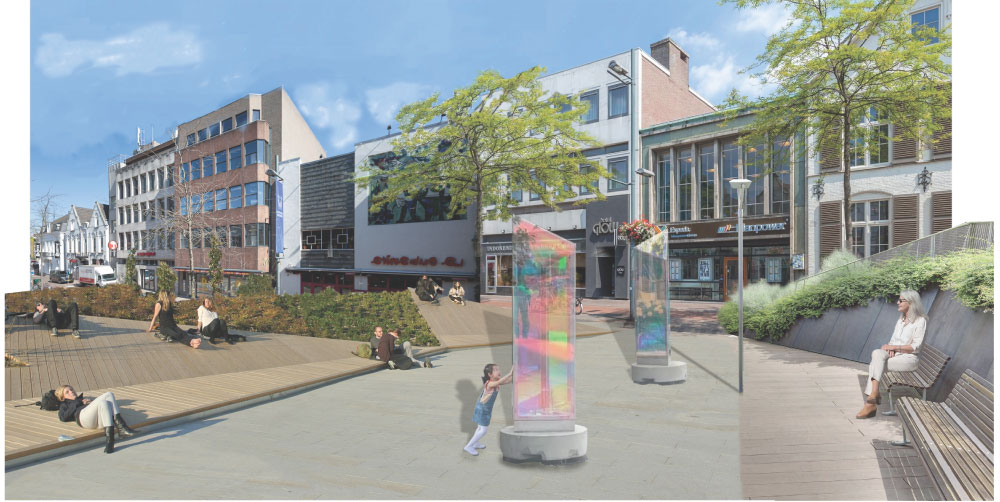
Poorly designed neighbourhood outdoor spaces can harm citizens’ mental health, such as presenting them with information overload, crowding or low exposure to nature. Our research explored which design elements can support urban designers in designing neighbourhood outdoor spaces that can reduce stress and attention fatigue and improve the mental health of all citizens.
Make the neighbourhoods of your city age-friendlier, using tools that support more informed decision-making
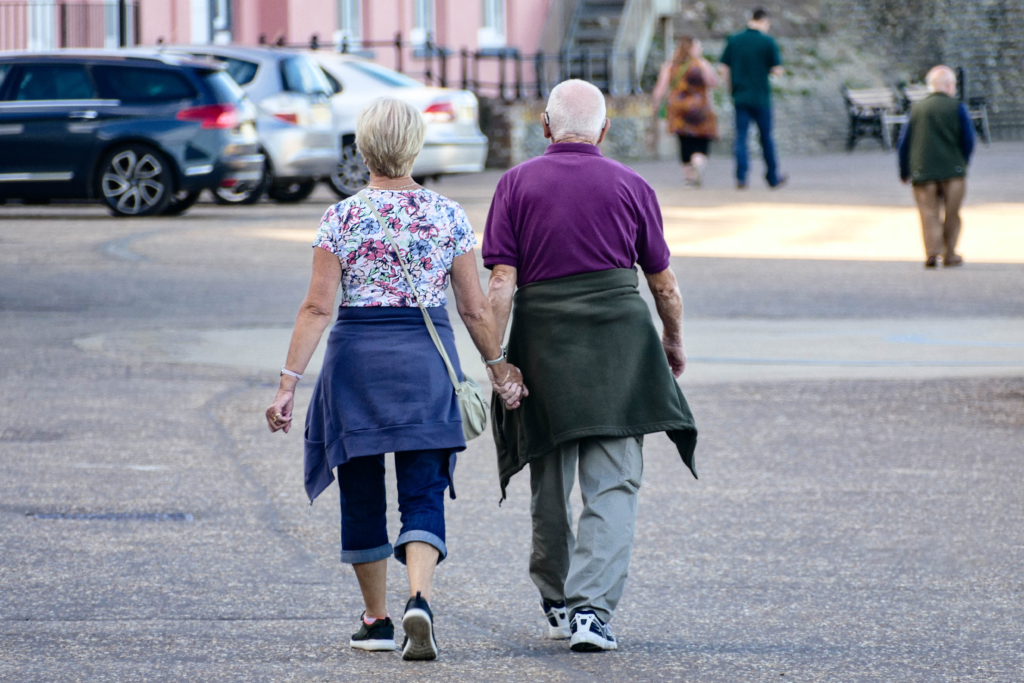
Make the neighbourhoods of your city age friendlier by using tools that support more informed decision-making. Are you an urban planner or a policy maker interested in knowing how age-friendly the neighbourhoods of your city are? Would you like to know how to improve them?
Addressing urban health with older adults: co-creating an age-friendly urban design in Barcelona
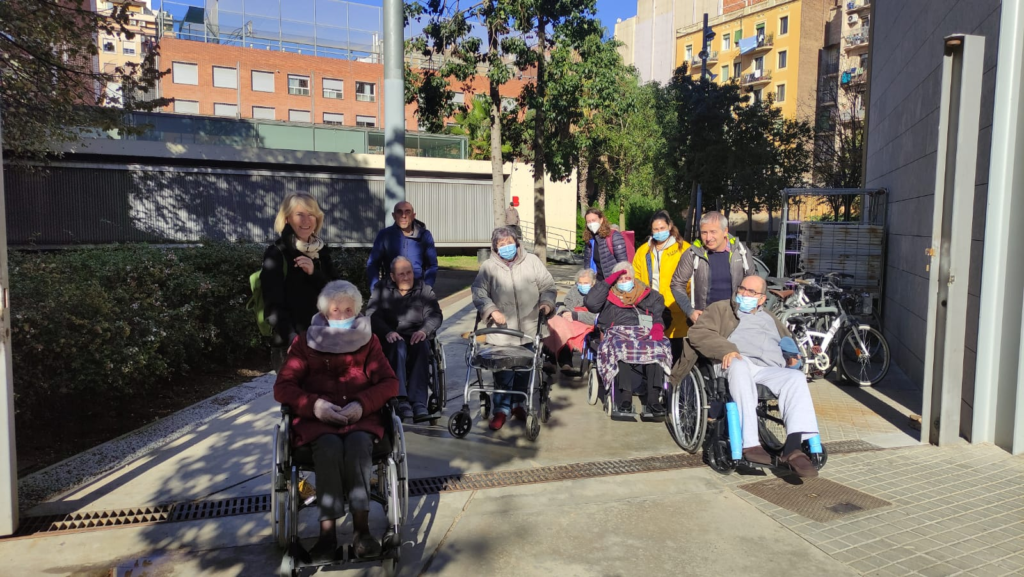
Our study evaluates the reliability (consistency) of a local tool for measuring health determinants in public spaces, using a co-creation process with older adults living in care homes in Barcelona. It highlights the importance of inclusive urban planning and the varied perspectives of community members in enhancing urban health.
Improving neighbourhood quality of life through effective community consultation
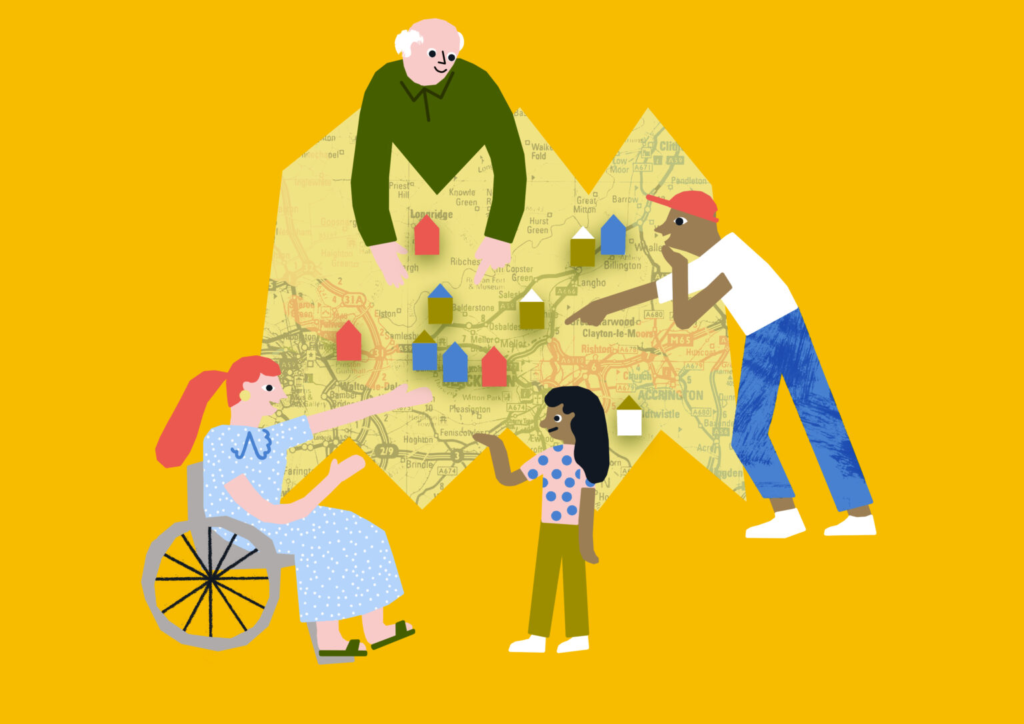
How can community consultations in planning be more effective, inclusive, and be ready for the post-pandemic era? Results from the project Community Consultation for Quality of Life find that participation in consultation can lead to increased wellbeing for individuals and communities.
Age-Friendly Communities enhance the elderly’s well-being in Pune, with improved access to healthcare, transport and housing
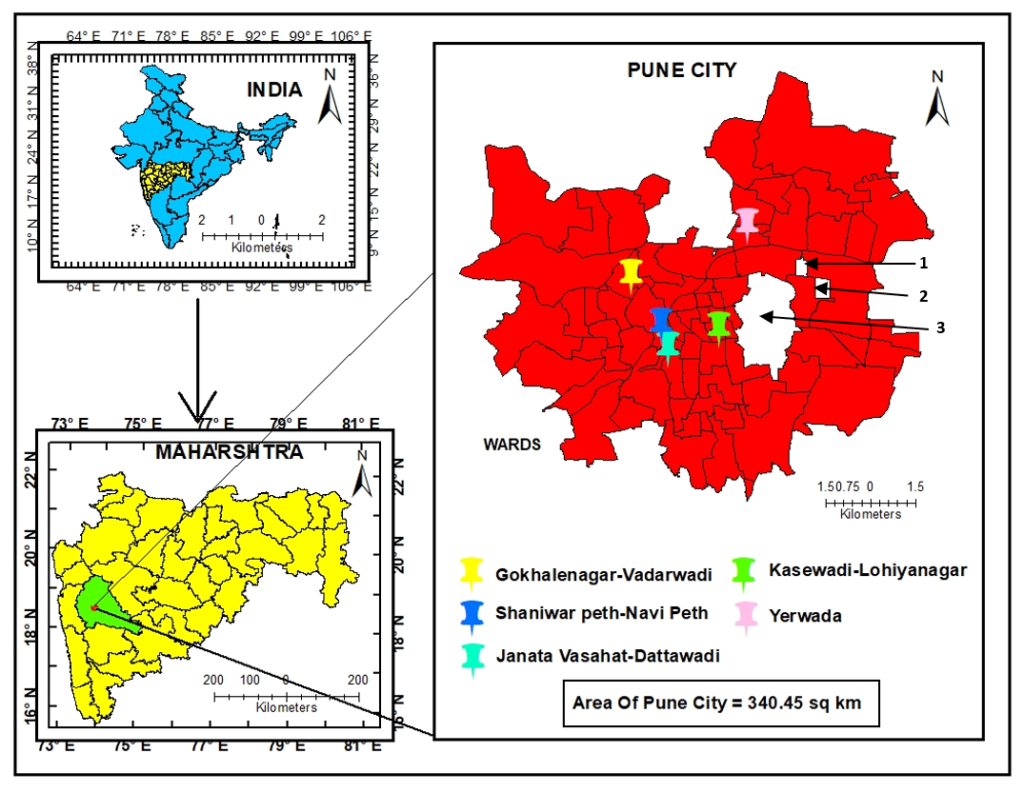
Age-Friendly Communities improve the elderly’s well-being in Pune, through better healthcare, transport, & housing. It is vital to develop age-friendly communities in urban areas.
An examination of urban green spaces usage behaviours and mental health benefits
The study by collecting data from a sample in a developing and rapidly urbanizing country in South Asia highlighted the importance of green space interventions to promote urban dwellers’ contact with urban green spaces and physical activity levels. Moreover, it highlighted differences in urban green space usage behaviours based on differences in sociodemographic characteristics, suggesting the necessity to target certain sub-population groups more than others.
A brain health pilot program to prevent cognitive decline in community-dwelling older adults

Enhance cognitive health in older adult communities using the CAP approach: fostering Connectedness, feeling At home, and engaging in joyful Play. This community-centric model seeks to improve well-being and complements existing health resources systems, emphasizing the importance of building strong, supportive networks among older adults.
Using open data to assess urban greening and climate-related health impacts
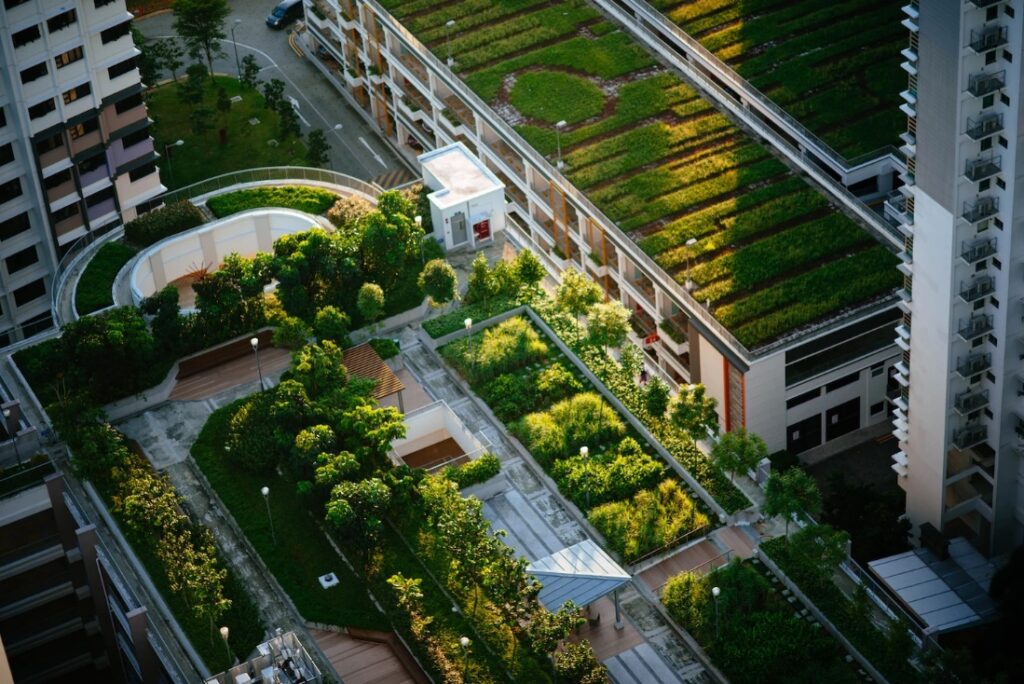
Urban greening interventions have been shown to increase the climate resilience of our cities and improve the health outcomes of residents. How can we use open data to target these interventions more effectively and maximise the benefits of increased greening?
Improving adaptive capacity to urban climates: The role of local cultures
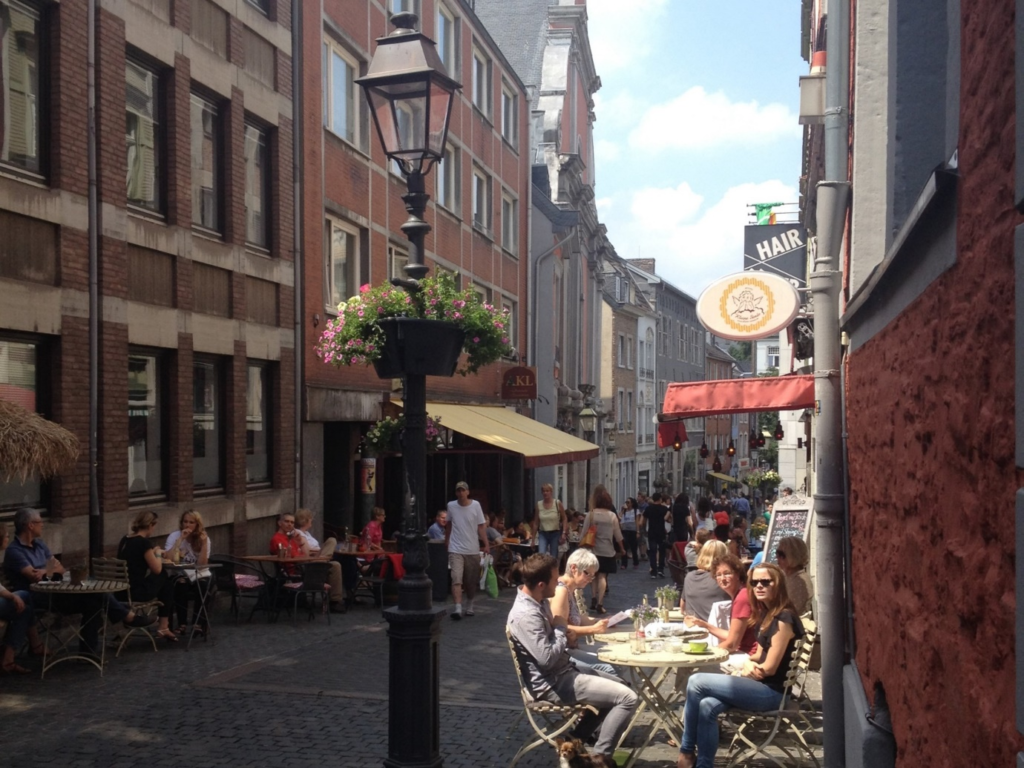
Urban design and planning, and associated policies, must enable and support a collective adaptation to climate change by responding to local needs. These needs can be identified through an urban comfort lens considering sociocultural preferences and needs which must inform urban design and planning practice.