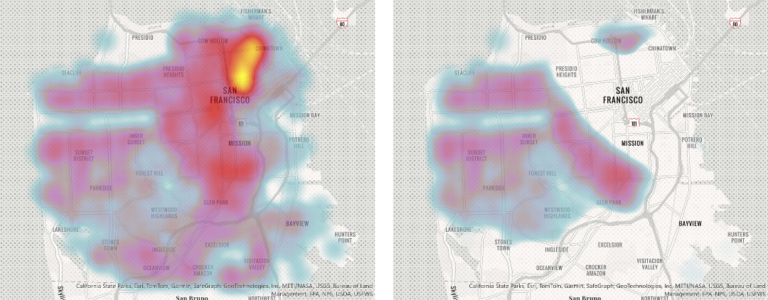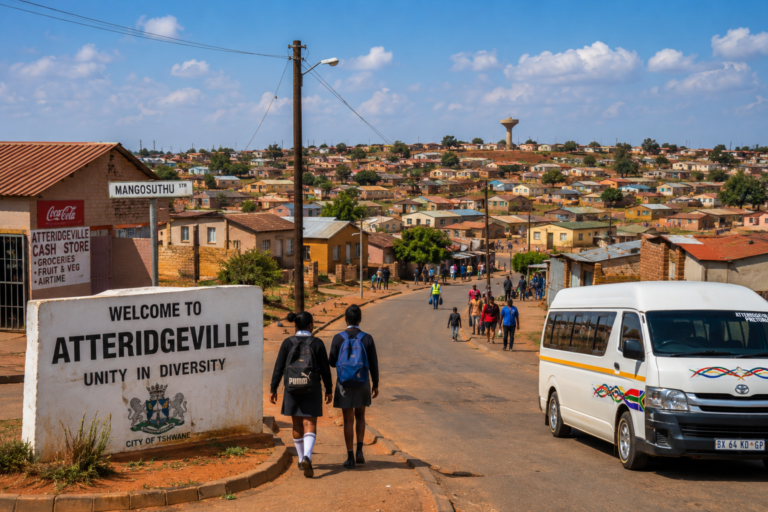

In this study, I measured the size of outdoor playgrounds at all daycare centers in Oslo and looked at how these sizes relate to how densely populated the districts are and how many children are enrolled at each center. Since the 1980s, Oslo has been getting busier and more built-up due to a compact city policy, a trend that is likely to continue as more people move to the city in the coming years. This makes it interesting to investigate how living in a denser city and having bigger daycare centers might affect the space children have to play outside in their daycare.
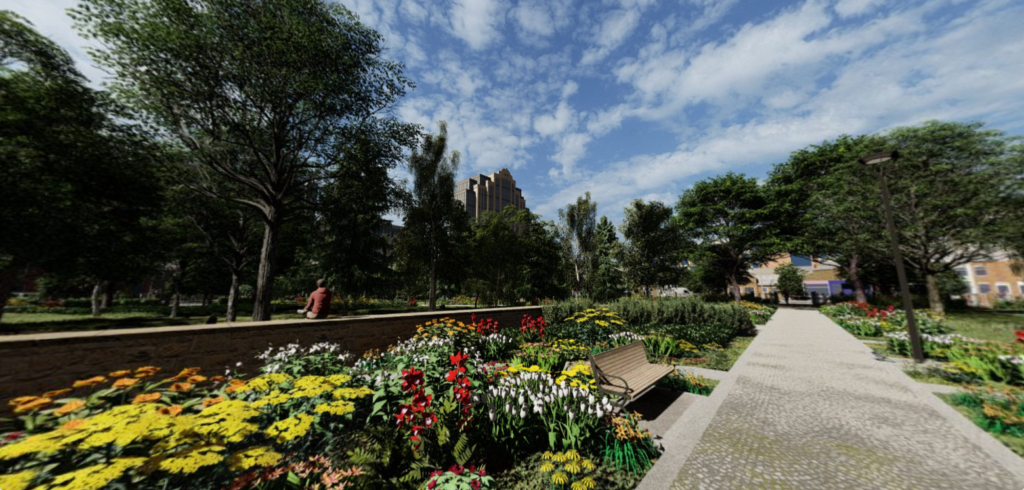
As urbanisation continues globally, the interest in urban green space as a provider/supporter of mental well-being is still growing. The question has largely moved on from “Will a walk in the park help with mental well-being?” to “Will a walk in any park do?” Previous research suggested that urban green spaces with rich fauna and flora (i.e. rich biodiversity) improved mental well-being. However, the experimental evidence remains limited.
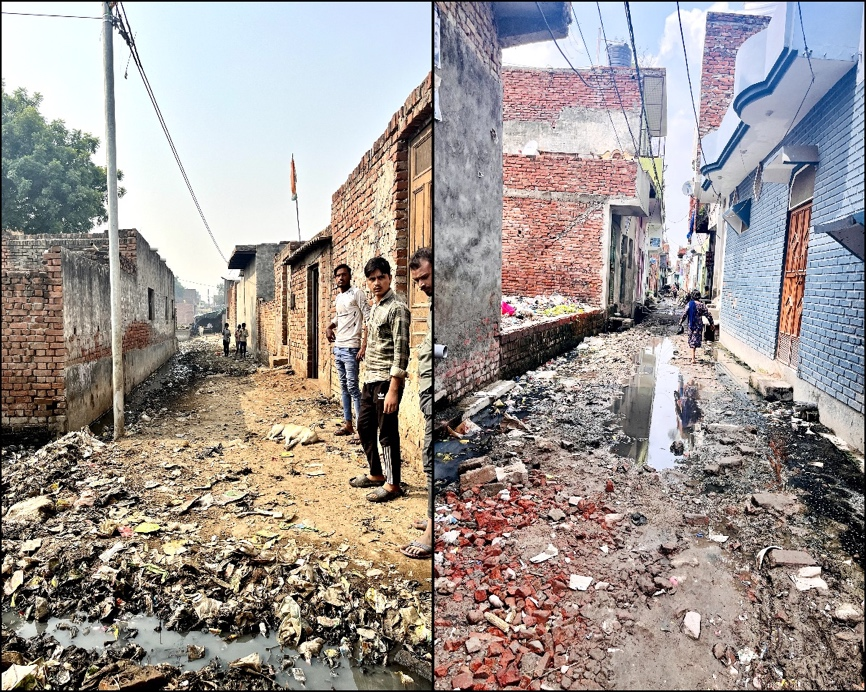
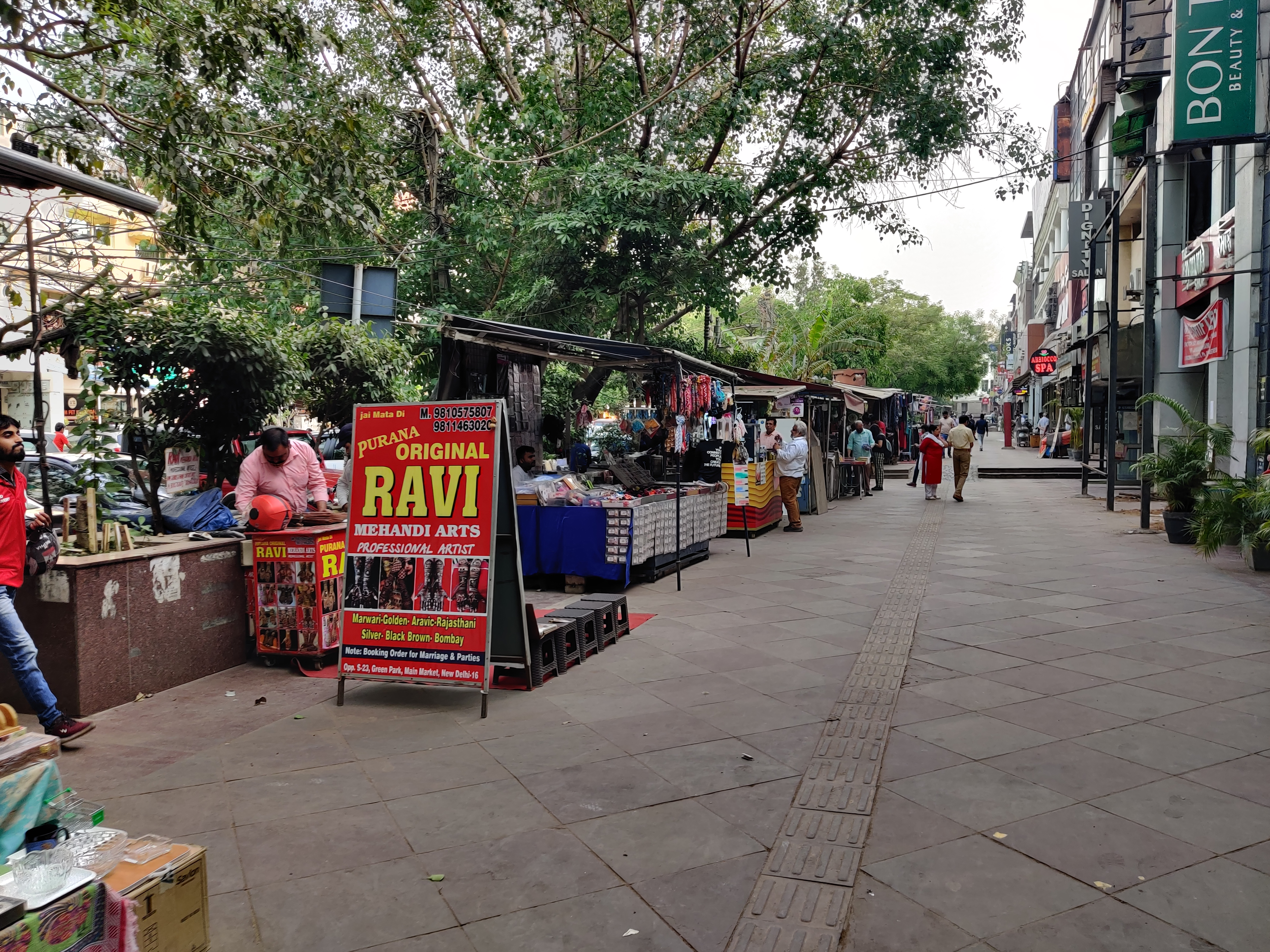
Caste and environment intersect to shape urban health inequities in Indian cities. Based on fieldwork in Aligarh, this study uncovers how lower-caste households are disproportionately exposed to environmental hazards and denied equitable healthcare. I conducted a mixed-methods study of 1,650 households in Aligarh to examine the relationship between caste, environmental conditions, and health. Using correlation analysis and spatial mapping, I identified patterns of environmental risk and unequal access to healthcare services. The findings urge inclusive urban health planning that prioritizes caste-aware environmental justice.