
Comparative analysis of urban sprawl drivers and impacts across the globe with a special focus on Asian Cities
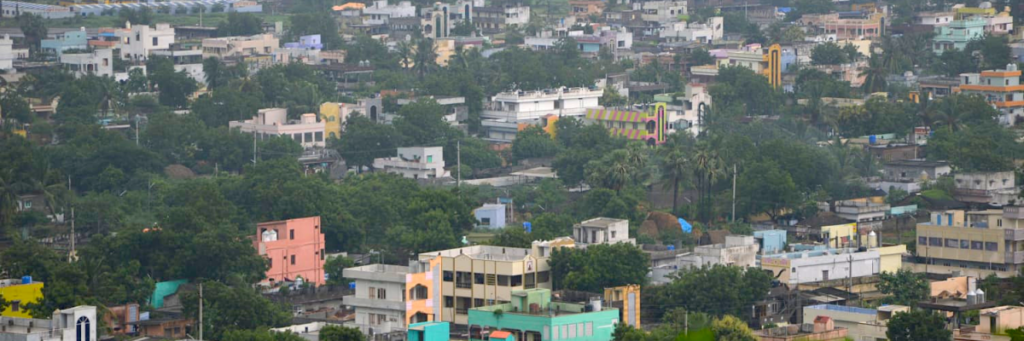
This comparative study of 10 cities across the globe aims to understand the major factors that drive the sprawl conditions and their impact on the outer edges of the cities. Land is a very potential natural resource that has been exploited over the past few decades. Migration of people in search of better living conditions has led to the formation of cities, which are deemed to provide better quality of life. However, the rate of influx has become very high, leading to saturation in cities and forcing people to move towards the outskirts.
How is our wellbeing affected by the design of our homes: lived experiences during COVID-19 in London, England

How has the pandemic changed how we use and perceive our home? Many were working, eating, living, playing, sleeping, and learning in the same space. Has changed perceptions influenced ideas of the design of our homes, and potential for happiness and wellbeing?
Impact of COVID-19 on neighbourhood physical activity in older adults, a study from the UK
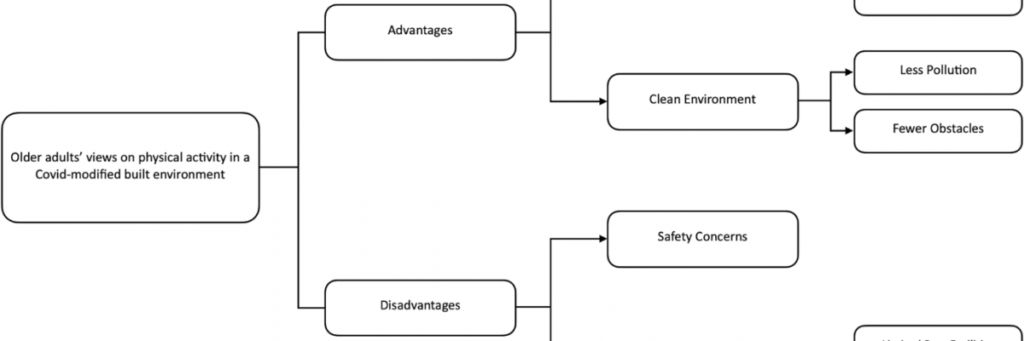
Older adults exercised less during COVID-19. Covid-related built environment modifications such as one-way walking systems and social distancing may have made physical activity more difficult.
Open spaces and wellbeing: outdoor environments to promote health

Open spaces are known to improve the health and well-being, however there are few studies from developing countries. This Nigerian study examinessocio-economic characteristics of residents, attributes and uses of neighbourhood open spaces and self-rated health.
Place qualities affect people’s sense of place and subjective well-being
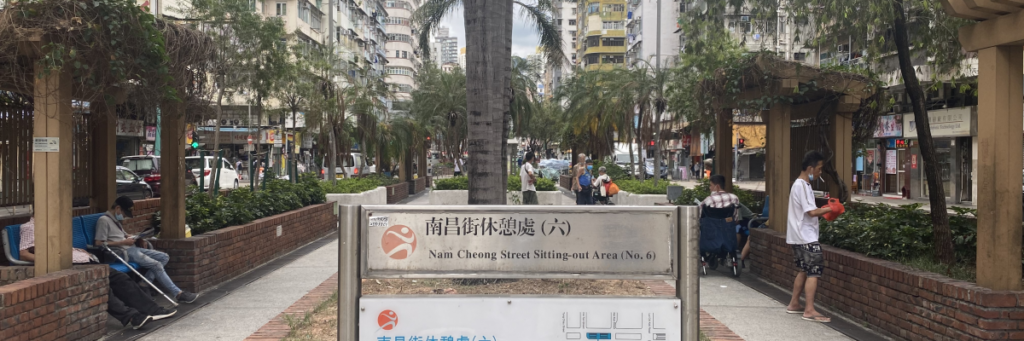
Place qualities affect people’s place identity, attachment, and behaviour, as well as their emotional, psychological, and social well-being. This is core to healthy cities, urban futures and public health.
Walking eases everyday life in a pandemic city, Helsinki, Finland

Walking is a forgotten aspect of urban communication. Walking provides places of interaction and is revealing of the relationship between citizens and politics.
The effect of COVID-19 on parks and greenspace use; understandings from self-reported data, Southwestern Ontario, Canada
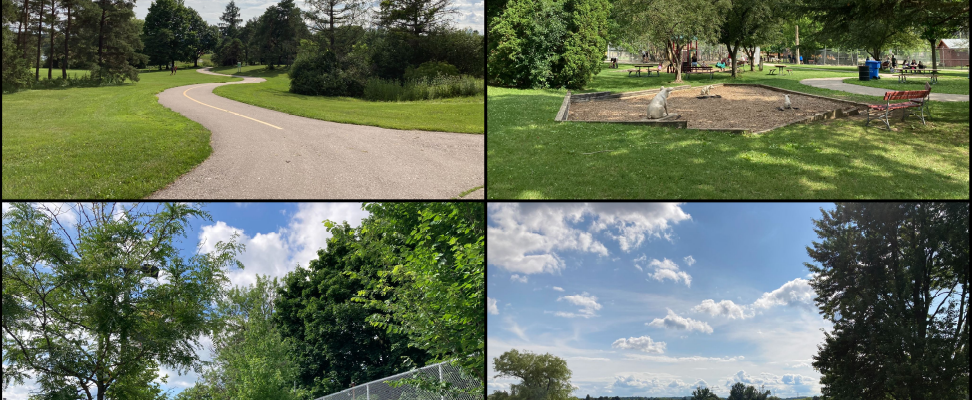
How did parks and greenspace use change three months into the pandemic? Parks and greenspace can help mental health, but also may be sites of virus transmission.
Unpacking the meaning, measurement, and health impacts of social connectedness in cities: A guide for research and policy

The meaning, measurement, causes and consequences of social connectedness in cities. A useful primer and pragmatic framework for healthy cities, urban futures and public health.
Residents reports of construction defects in new apartments are associated with poorer mental wellbeing
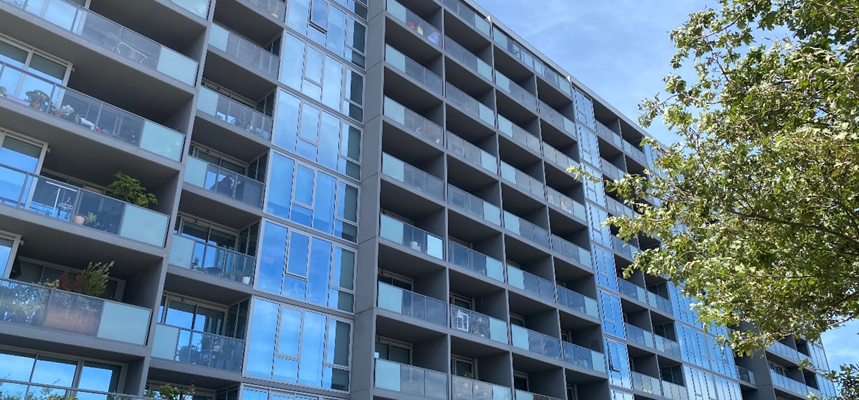
A study of apartment residents identified an association between construction defects and mental health. For every additional problem, wellbeing decreased and psychological distress increased.
Improvements to urban planning and public policy: Lessons from the responses COVID-19 in Ghana
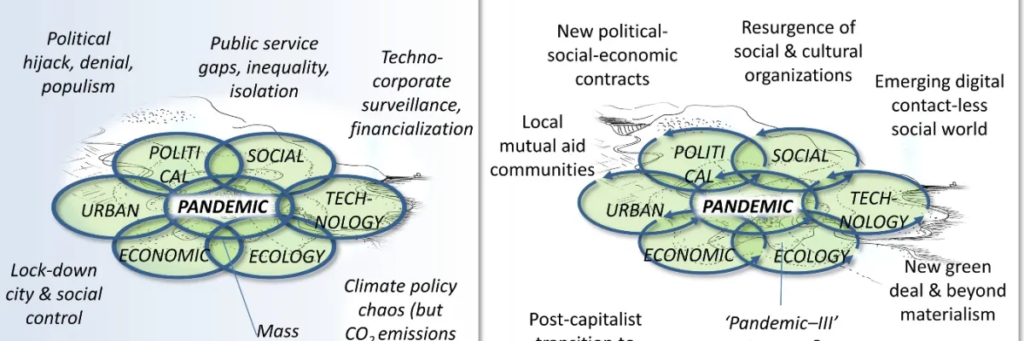
The global COVID-19 pandemic, with its associated issues of isolation, enhanced hygiene practices and contact tracing brought up a number of issues to the public domain, many of which bordered on the nexus between urban planning and public health. We examine how new ideas concerning the linkages between urban planning and public health revealed by the COVID-19 crisis can be integrated into practice and how we might leverage this knowledge to build more just, healthier and liveable cities.