


How a municipality can improve health and wellbeing in the city by using the Collective Impact Model
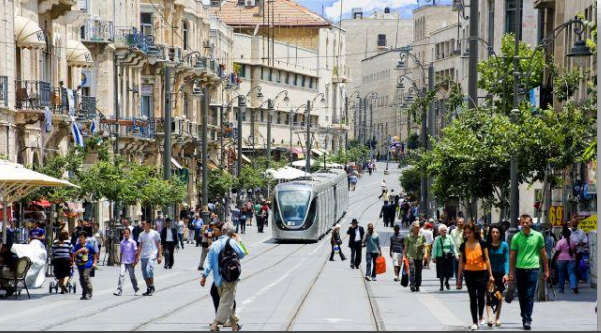
To improve health and wellbeing in cities, municipality employees, urban planners, architects, politicians, citizens, NGOs and funders can benefit by using the collective impact model for working effectively together.
Integrating city resilience and mosquito-borne diseases: a multi-site case study from the Resilient Cities Network
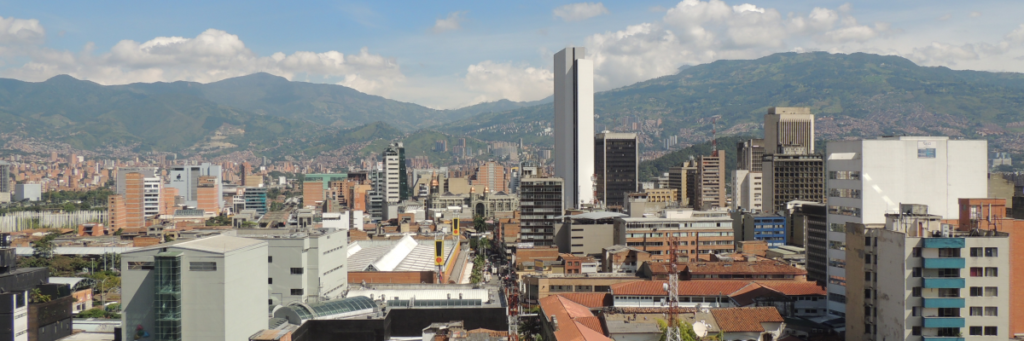
New research explores if and how mosquito-borne diseases are considered in city resilience, and provides recommendations on how cities can integrate mosquito-borne disease prevention and control into their resilience approach.
Inequity in loneliness and the role of built environment
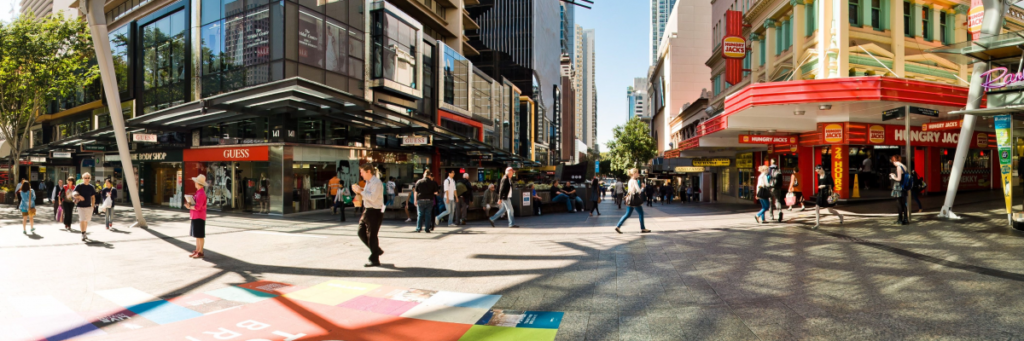
A study of mid to older adults in Brisbane, found that people living in disadvantaged areas were more likely to be lonely. This was partially explained by levels of residential density.
Active Urbanism: Heart rate and oxygen consumption comparison when walking on imitation stepping stones versus a plain surface
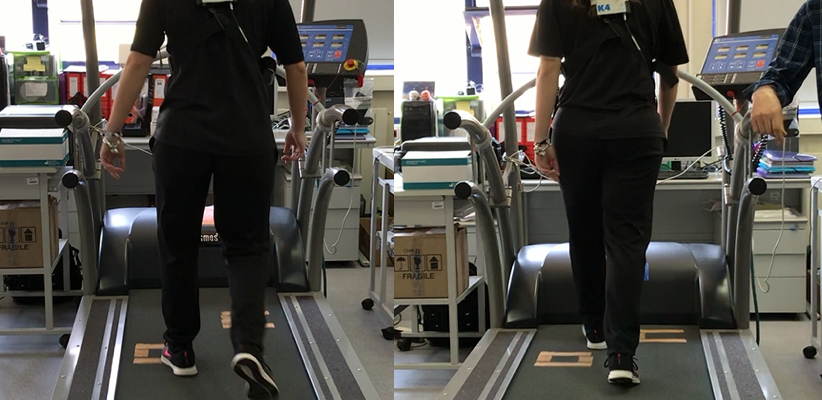
This study measured the effectiveness of stepping stones as an element of landscape design – to make walking a more effective form of exercise for health. The average increase in heart rate due to steppingstones was 17.22%. In conclusion, we estimate that stepping stones can significantly increase peoples metabolic and physiological parameters, and can help the wider population to achieve the recommended government and health guidelines of ‘moderate exercise’ of 150 min/week, improving population health. This new evidence can help designers to implement ‘Active Urbanism’ strategies.
How do communal spaces in apartment complexes encourage social connection?
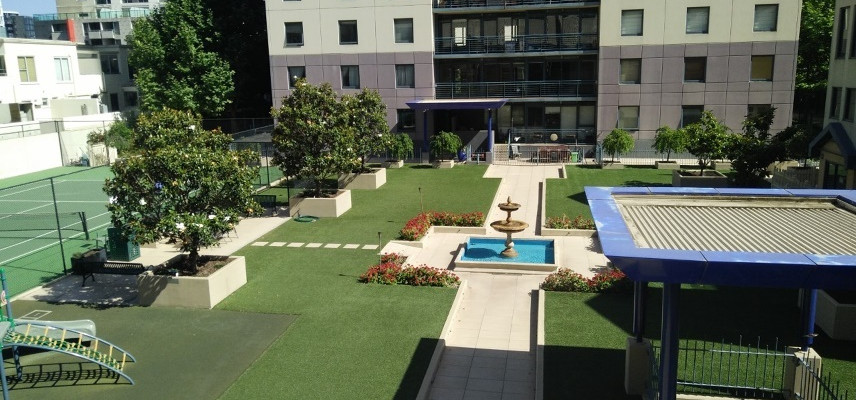
Apartment design guidelines in Australian cities should better consider the role of well-designed communal spaces to enable social connection amongst residents.
Designing autism inclusive urban environments

Autism inclusive urban environments design principles to support sensory and cognitive navigation.
Active urban spaces: the practical side
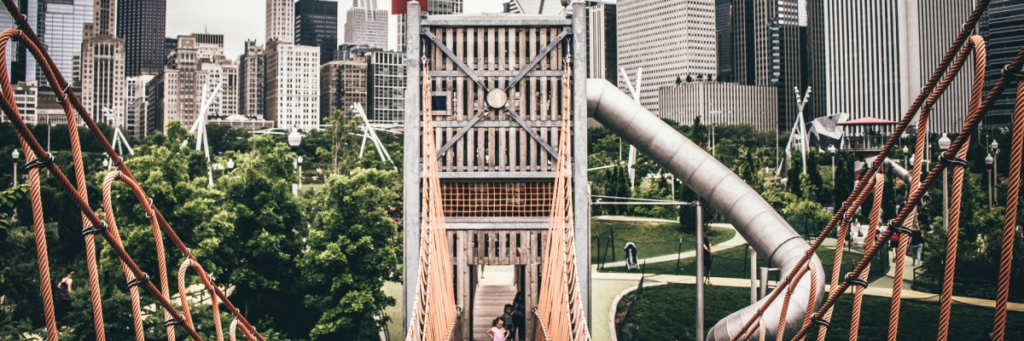
This paper shows design tools and views of experienced practitioners in active urban design against a theoretical backdrop. It describes the creation process, including opportunities and inspiration to further improve the practice.
Creating green spaces in Singapore that improve health and conviviality through ‘nature placemaking’
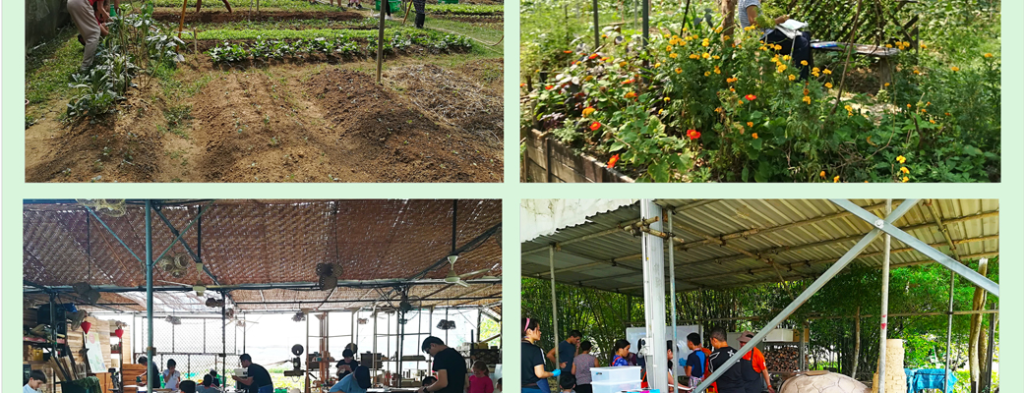
The involvement of citizens in nature placemaking processes can have a positive impact in the psychological health and wellbeing. The connection with the natural environment and community is grounded in five core principles recognized as the 5Gs: Gracious, Green, Giving, Grounded and Grateful, as conveyed through the activities.
Urban walks to benefit psychophysiological wellbeing; during COVID-19
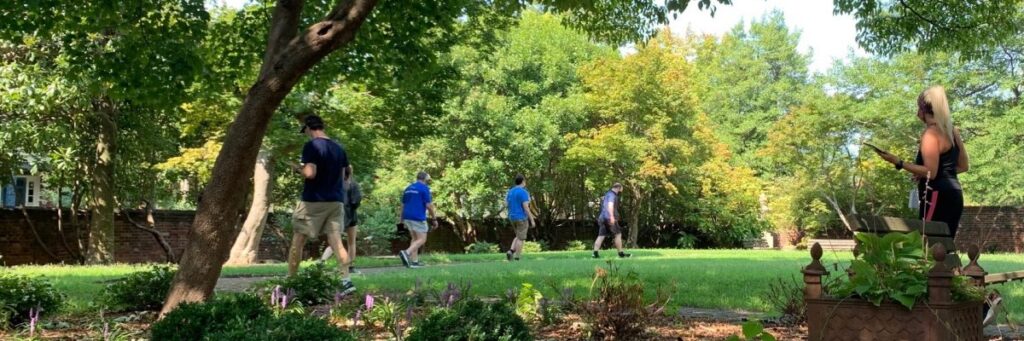
Assessing the impact of walking in different urban spaces during the pandemic highlights the positive effects of high-quality green spaces for mental health.
Community wellbeing in the built environment: breaking down building performance assessments
Community well-being is acknowledged as being ‘greater than the sum of its parts’. Our paper identifies current gaps in Community well-being assessments and recommends participatory mixed methods.