

City Know-hows
Target audience
City planners, local councils, general public, environmental psychology researchers
The problem
Much of the current public health and environmental psychology research regarding health and wellbeing is geographically restrained and unable to make direct cross-cultural comparisons between populations.
What we did and why
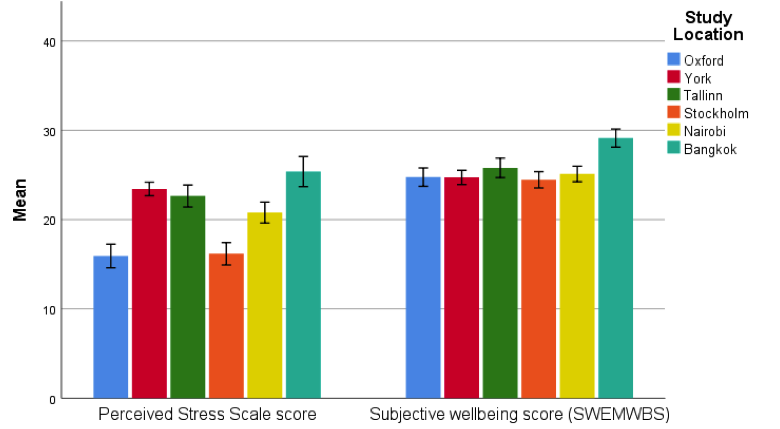
We attempted to apply a standardised framework of analysis in order to compare health and wellbeing metrics between adults in Europe, Africa and South East Asia in order to understand any health and wellbeing differences between geographically, socially and economically diverse cities.
Our study’s contribution
This study indicates regional differences in subjective stress and wellbeing and the impact that both green and public spaces may have on these metrics. It adds a direct cross-cultural examination previously somewhat lacking in the literature.
Impacts for city policy and practice
This research addresses the impact of different types of urban space on health and wellbeing across various global cities, as well as understanding specific local issues that may mediate these effects. Our approach provides a solid base for future cross-cultural research using mixed methods and a multi-disciplinary approach to understanding environmental impacts on human health.
Further information
Chris Neale, Mònica Coll Besa, Sarah Dickin, Vanessa Hongsathavij, Piret Kuldna, Cassilde Muhoza (@cassildemuhoza), Pin Pravalprukskul, & Steve Cinderby (@s_cinderby_SEI)
Full research article:
Related posts

Going by the current trends of urbanisation in Africa, it is necessary to seek new ideas to improve ecology, human health, and well-being. ‘MR CITY’
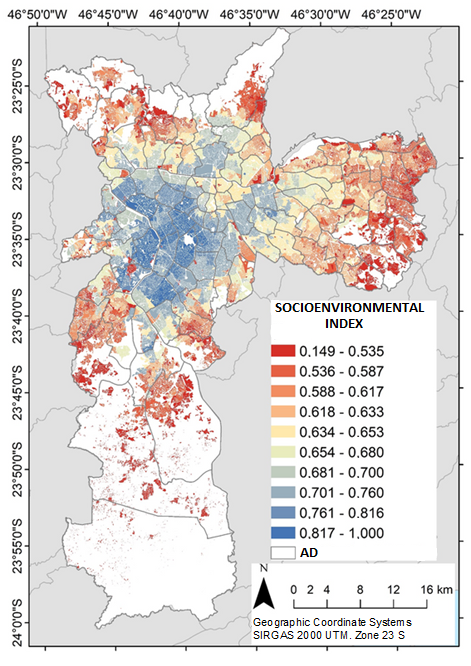
Monitoring slum health through ecological deprivation indexes is a useful strategy to understand and reduce health inequalities within a city. We developed a robust socioenvironmental index capable of explaining health outcomes in small intraurban areas and differentiating areas with the presence of different slum typologies and non-slum spaces.
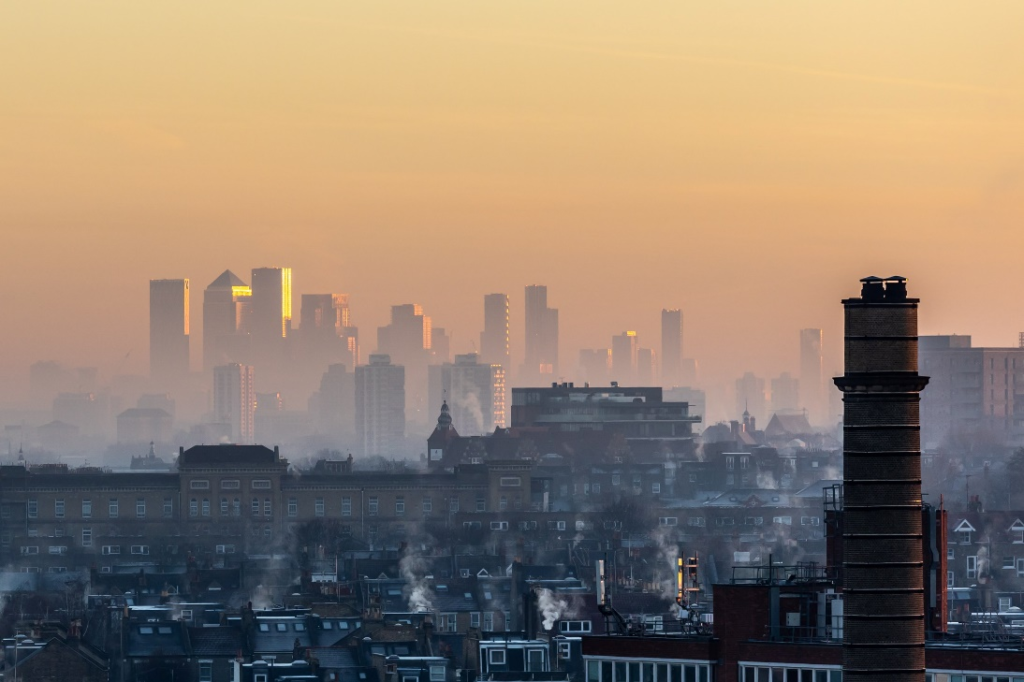
Odour pollution impacts our mental and physical wellbeing without being noticed very often – bad smells can have a negative impact on how we think and feel. Bad odour can affect our work and home environments in a negative way so why don’t we take it more seriously?