City Know-hows

Creating green spaces in Singapore that improve health and conviviality through ‘nature placemaking’

Target audience

Urban farming organisations, Urban designers and planner, Landscape architect, Urban health practitioners and  placemaking NGOs.

The problem

Singapore faces the challenge to adapt to a new urban lifestyle after the declaration in 2021 of the ‘Green Plan’ agenda on sustainable development. The plan includes strategies to increase access to urban greenery and biodiversity in the city. Nevertheless, there have been reported cases of low citizen tolerance towards the newly introduced biodiversity. Additionally, unsustainable behaviours of citizens could be a threat to the new natural ecosystems.

What we did and why

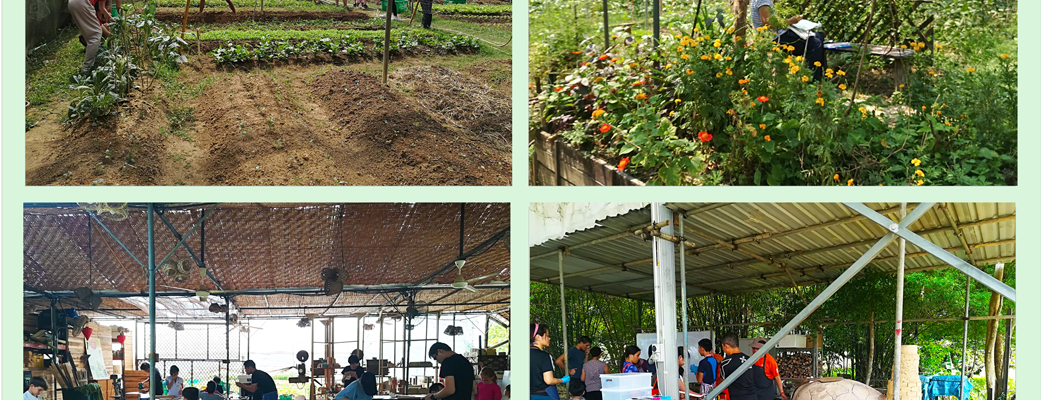
Our research investigated a pro-environmental organisation in Singapore that has implemented participatory programs with nature and aims to improve the health and wellbeing of people and their connection to nature for over a decade. We conducted focus groups, discussions and surveys to establish the benefits of engaging in these programs and to understand to what extent the facilitators of the process have an impact in the way people shape their connection with nature, developing pro-environmental behaviours.

Our study’s contribution

Our work supports a new approach to placemaking with nature and the therapeutic value of non-curated natural landscapes. It shows the:

  • Improvement of health and wellbeing in heavily urbanised cities through the implementation of programs that enhance the connection with the natural environment,

  • Importance of the facilitators of placemaking in the long term to create an improved psychological wellbeing and sense of community.

Impacts for city policy and practice

Urban Policies should consider integrating nature placemaking strategies to enhance the health and wellbeing of citizens and their conviviality. Experienced nature placemaking facilitators and their spaces could become a learning hub for young citizens that have not yet experienced a raw natural environment in Singapore. Importantly, this could increase pro-environmental behaviours and tolerance towards natural biodiversity.

Further information

See the Urban Land Institute/Health Leaders Network at NeuroLandscape: NeuroLandscape is a non-profit research group/ NGO that brings together landscape architecture, neuroscience and computer science to advance the knowledge on the relationship between human health and the environment in urban areas. Their aim is to uncover the complex mechanisms of these phenomena and share them with an international audience of academics, designers, decision makers and urban communities.

Full research article:

Leave a Reply

Your email address will not be published. Required fields are marked *

Related posts

A fresh framework for moving health knowledge into urban planning action

We took a significant step in identifying the existing gaps in knowledge translation for healthy cities and adopting a proactive approach to laying out opportunities for improvement. By developing a visual representation for a renewed conceptual framework, we provide a clear and insightful tool for planners, designers, and policymakers aiming to enhance knowledge translation processes. As a result, this study not only elevates knowledge translation as a field of study for urban professionals but also reinforces its importance in public health.

Read More »

How much research is there on environmental exposures and cognition?

It is known that environmental exposures can have negative effects on brain health. We reviewed all the literature examining the effects of environmental exposures on cognitive health. There is a paucity of research on the effects of urban planning, particularly regarding things like active travel and green space accessibility.

Read More »

City design must respect young people’s rights and consider their lived experiences. Meaningful participation is a powerful protective factor!

Violence and abuse by and among youth are critical public health issues. Building equitable cities requires centring the voices of marginalised young people, whose experiences provide vital insights into safer urban spaces. Supporting marginalised youth in shaping safer cities is a delicate balance, like the porcupine’s dilemma; —nurturing participation while ensuring protection. Together, we can create safer, more equitable spaces for all.

Read More »