
City Know-hows
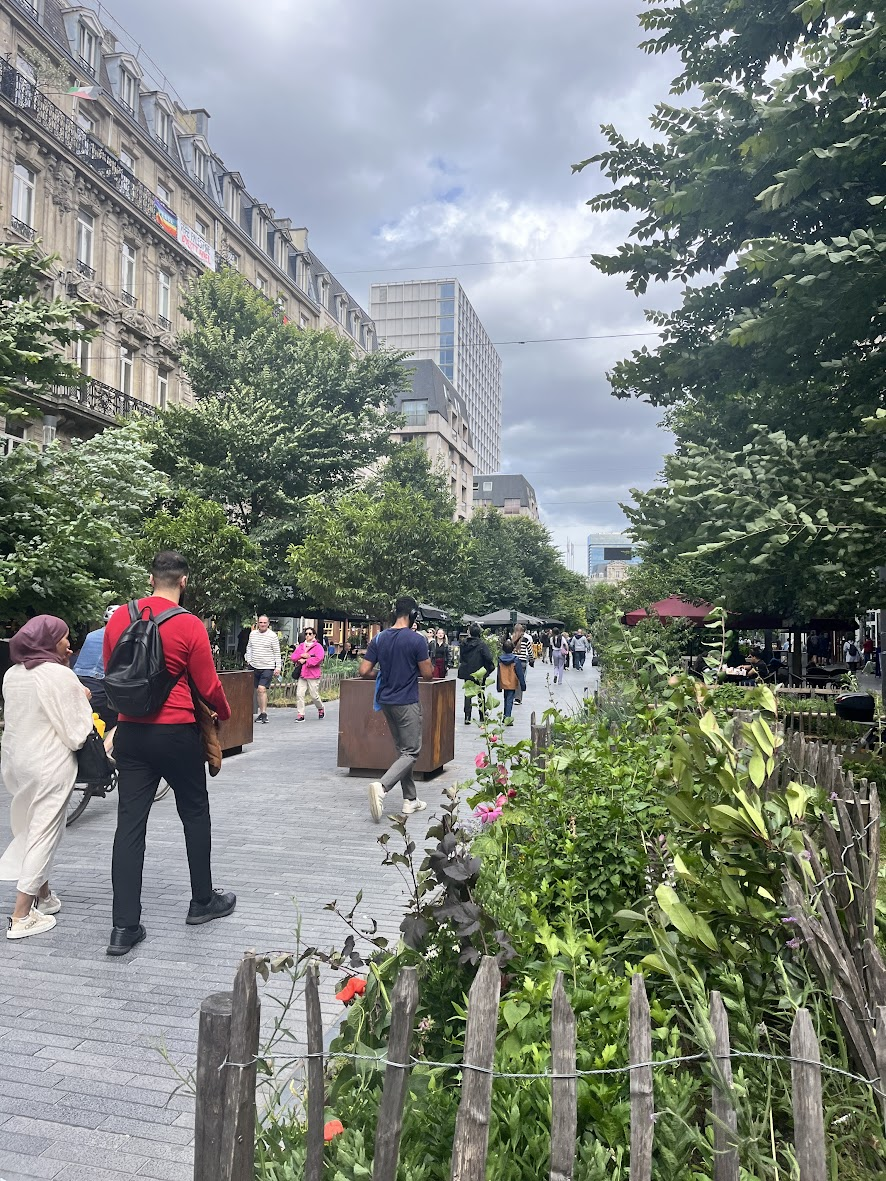
How can cities like Brussels and Malta overcome barriers to active mobility and create healthier, more sustainable urban environments? Discover the challenges, strategies, and key insights from local stakeholders on paving the way for a transformative future of mobility. Through interviews with key stakeholders, we explore solutions like citizen involvement and organisational changes that can drive urban transformation and support sustainable, active mobility.
Share
Target audience
Urban planners and designers; policy-makers and researchers working on active mobility and street transformations
The problem
Although active mobility interventions and street transformations have gained traction in recent years, different contexts are experiencing major barriers in their design and implementation, which ultimately hinder efforts to promote active modes of transport.
What we did and why
We conducted research in Brussels and Malta to understand the barriers to designing and implementing active mobility interventions. Through media content analysis and stakeholder interviews, we identified the challenges these cities face, ranging from socio-cultural to political and financial. We also identified strategies that can improve the acceptance and success of active mobility projects, aiming to create healthier and more sustainable communities.
Our study’s contribution
Our study provides a deeper understanding of the barriers to active mobility interventions in different contexts, including in very car-centric urban environments. The study highlights differences in socio-cultural, financial, political, and knowledge-related challenges. It shows how these factors influence each city’s transformation process and offers actionable insights. These findings can guide future mobility projects aimed at promoting sustainable, active mobility in urban areas.
Impacts for city policy and practice
We highlight the need for city policies to prioritize citizen involvement and organizational changes to overcome barriers in active mobility projects. By addressing socio-cultural, financial, political, and knowledge gaps, cities can improve the success of such interventions. Policymakers should focus on tailored solutions that enhance public acceptance and streamline project implementation, ultimately fostering more sustainable and healthier urban environments. These findings can inform future mobility strategies in similar urban contexts.
Further information
Full research article:
[OPEN ACCESS] Understanding the barriers and facilitators of planning and implementing active mobility interventions in Brussels and Malta by Karyn Scerri, Lluis Martinez, Juliana Betancur Arenas, Imre Keserü & Maria Attard
Related posts

At the intersection of urban and public health policy, the success of higher-density affordable housing solutions to serve an inclusive well-being agenda depends upon reducing the association of these lifestyles and built environments with loneliness and social isolation. We construct a pro-neighbouring index and test its predictors using an ordinal logistic regression model based on resident survey data.

Park access is about more than just distance to get to the park.

My study shows that simple ‘Happy to Chat’ benches successfully encourage spontaneous conversations, leading to positive feelings and new social connections. I found these benches can:
• Create welcoming spaces for casual and meaningful interactions.
• Promote emotional well-being and social bonding.
• Act as a subtle ‘social nudge’ to encourage interaction.