City Know-hows
This study addresses the need for a more nuanced understanding of how urban design influences people’s walking habits in the Global South through case studies in Indonesia. Understanding the intriguing relationship between the built environment, personal perception, and walking behaviour is critical for designing more walkable, healthy, and sustainable cities.
Share
Target audience
Urban planners, urban designers, city policy-makers, and architects
The problem
Walking is an accessible activity that contributes to public health and environmental sustainability. Unfortunately, walking activity remains relatively low among Indonesians, prompting government officials and researchers to explore ways to promote walking through improvements in urban design. Recognising the potential of well-designed streetscapes to foster active mobility, we examined the relationship between street physical attributes, pedestrian perceptions, and walking behaviour in Indonesia.
What we did and why
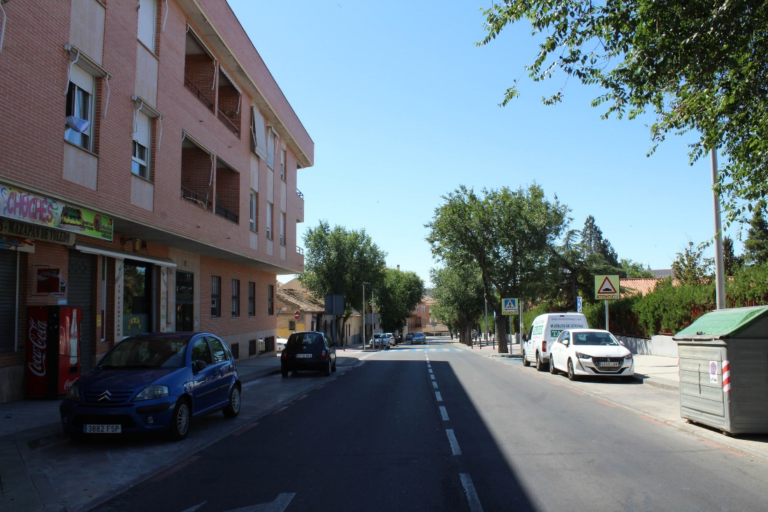
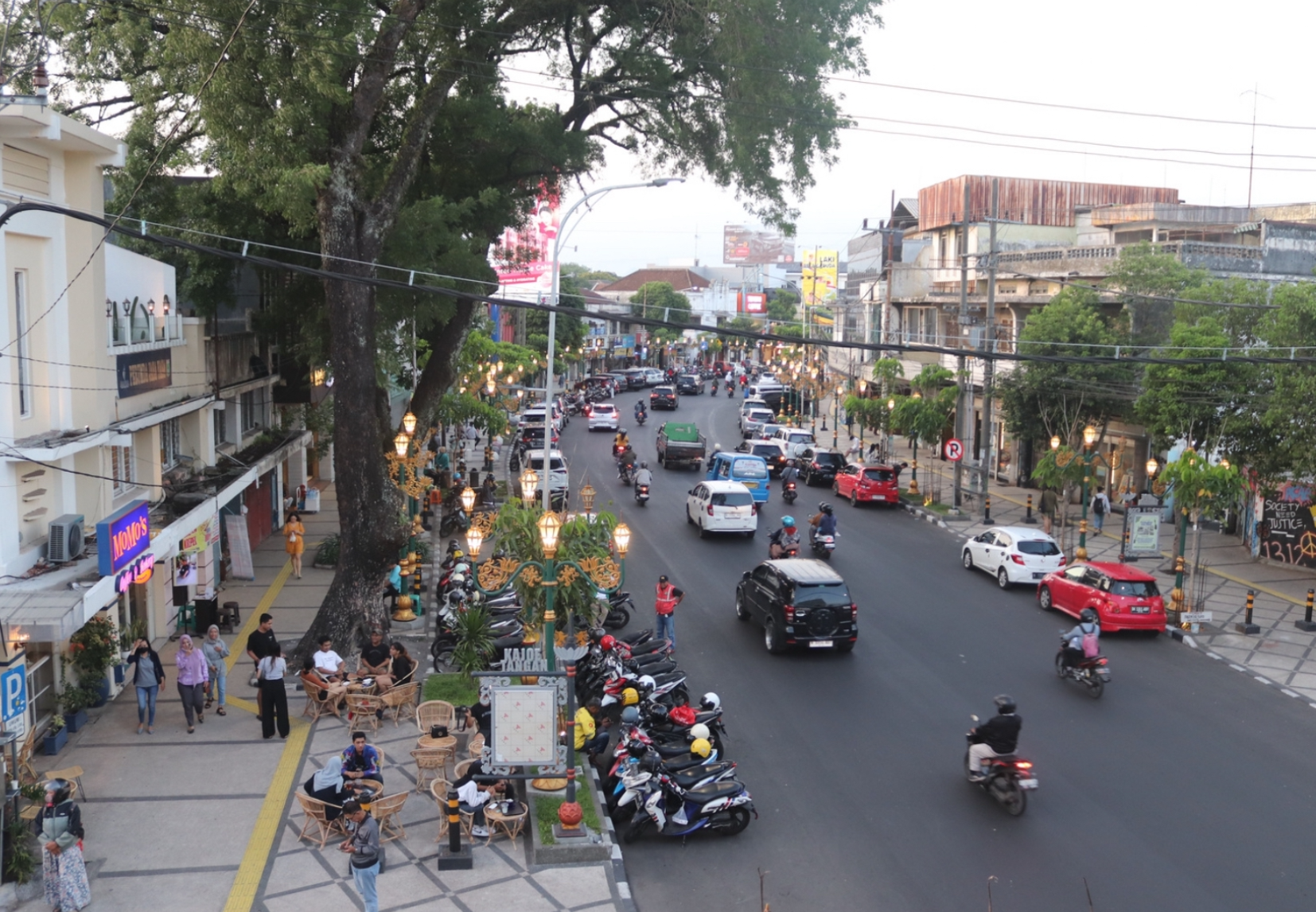
Realising the importance of urban design contribution to walking, we studied the relationship between street physical attributes, pedestrian perceptions, and walking behaviour by exploring three distinct areas in Malang, Indonesia, as case study sites. Based on the results, we proposed a model of the relationship between underlying dimensions of physical characteristics, pedestrian perceptions – i.e. sense of safety, comfort, and interest, and walking behaviour.
Our study’s contribution
Our study revealed that the street’s physical attributes significantly impact walking behaviour in Indonesia, but this influence is not direct. It is mediated by individuals’ perceptions of safety, comfort, and interest in walking along the street. We found that physical elements shape these subjective reactions, which determine whether people are likely to walk in a particular area, so individual responses to these physical attributes serve as a bridge to walking behaviour.
Impacts for city policy and practice
We highlight the importance of considering tangible and intangible factors in creating pedestrian-friendly urban spaces in specific contexts and tailoring urban design to local preferences. We argue that one-size-fits-all approaches to urban planning and walkability assessment may not yield the desired results, as walking behaviour is influenced by cultural, social, and environmental factors in each region. Our study provides valuable insights for developing more effective, context-specific strategies for improving walkability in the Global South.
Further information
Full research article:
[OPEN ACCESS] Making a walkable city: street physical attributes, pedestrian perceptions, and walking behaviour in Malang, Indonesia by Jenny Ernawati, Duanfang Lu & Dhiba Esperanza
Related posts

Looking into an urban transformation of a low-income settlement in Maputo, Mozambique, through the behaviours and experiences of pedestrians, shows that physical interventions to the walking environment contribute to the ability of diverse individuals to exercise their Right to the City.
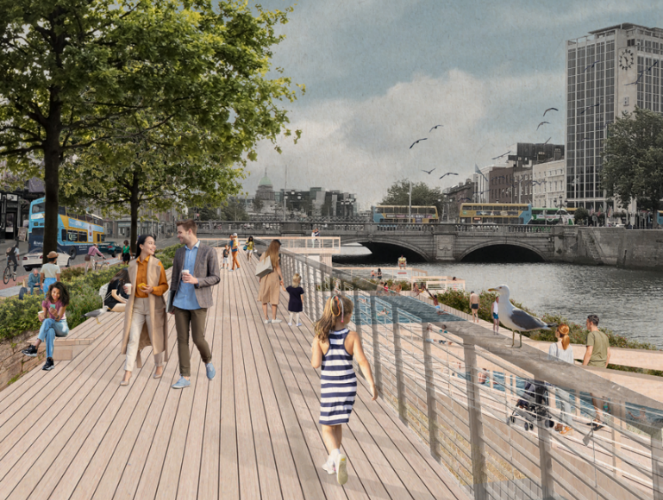
Interventions on riverfronts require close consideration of contextual ecological and social aspects. We adopted a research-by-design process to discuss nature-inspired urban design strategies in an Irish context.
• We conducted a desk study of academic literature and urban policies to establish the suitability of various methods for the site characteristics;
• We performed site analyses (site observations, footfall counting, photographic documentation) for an in-depth understanding of the existing conditions. We developed urban design scenarios to envision potential approaches, on which public feedback was sought.

We reviewed the existing research on influencing rewilding behaviour by city residents in their gardens. We used a behaviour-change model to identify intervention and policy strategies that affect residents’ rewilding behaviour. We found that all intervention and policy categories were effective, requiring action across many organisations and areas to drive change.