City Know-hows

Links between teenage mental health and urban design quality: Using ecological momentary assessment

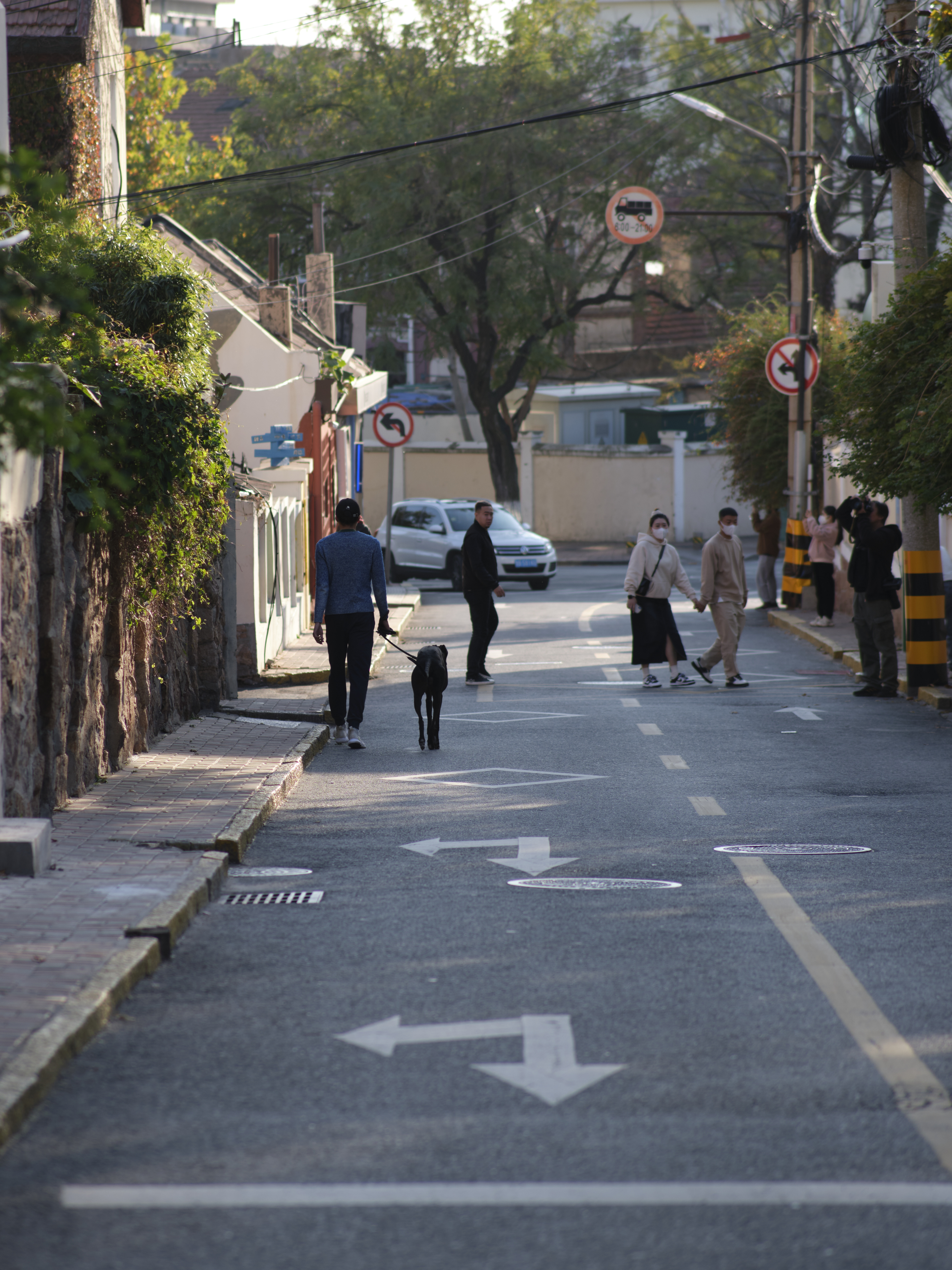
People crossing a narrow street by billow926 at Pexels

Urban environments influence the mental health and development of younger populations. This study explores associations between adolescent mental health indicators and design characteristics. Implications include recommendations for planners and urban designers to promote psychological well-being.

Share

Target audience

Urban planners/urban designers, municipal politicians/public administrators and public health practitioners/public health promotion professionals.

The problem

Currently, there is a lack of empirical evidence documenting the relationships between precise urban designs and adolescent mental health outcomes or indicators. Much of the extant scholarship in this body of scholarship has examined the links between broad environmental exposures (e.g., greenspaces, blues paces, residential areas, built-up areas) and various mental and physical health indicators (e.g., exercise, well-being). There is a need for research to examine more granular or precise relationships.

What we did and why

We paired ecological momentary assessment methods (i.e., data collection undertaken in the field) with objective environmental assessments of multiple specific urban design concepts (imageability, enclosure, human scale, transparency, complexity) to explore how the composition and overall quality of different urban areas predicted six different mental health indicators among adolescents. Based on a theoretical framing, we examined associations with the following emotional responses: positive affect, negative affect, calmness, anxiousness, perceived restorativeness, and mental demand.

Our study’s contribution

Results from our study importantly highlight how the composite pedestrian design quality of public settings can impact the present emotional responses (i.e., overall mental state) of adolescent groups. More pointedly, results from our study indicate that high-quality composite pedestrian design, as well as more specifically complexity and imageability, in public spaces, can support positive affective (and mitigate negative affective) responses or experiences among adolescents.

Impacts for city policy and practice

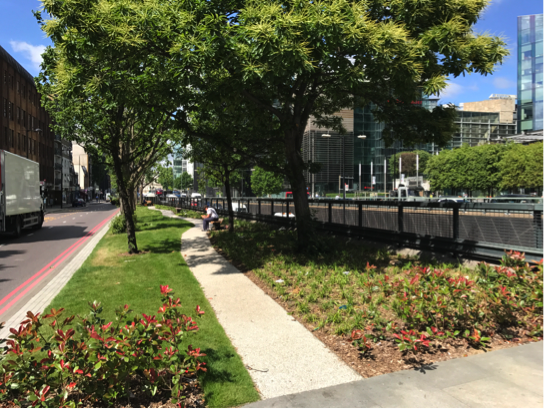
Planning and public health practitioners may draw on our findings in their attempts to develop more health-supporting urban environments. For example, our study would suggest that practitioners seek to implement natural forms of enclosure (e.g., tall trees, ivy walls), imageability (e.g., nature-oriented landmarks), and complexity (e.g., variety of natural features such as gardens, shrubs), as well as nature or naturalistic ornamentation, in their design conceptualizations of public spaces that adolescent frequent.

Further information

Full research article:

Leave a Reply

Your email address will not be published. Required fields are marked *

Related posts

A psychology and power intervention to help decision-makers prioritise health in ­­­urban development

Evidence overwhelmingly suggests that the built environment has an impact on people’s health, particularly in terms of noncommunicable diseases such as asthma, diabetes and poor mental health. However, health is rarely prioritised in urban planning decisions at present, and earlier work by this research group has shown that senior decision-makers feel they lack the power to influence planning and policy decisions in order to improve the situation. This intervention area adds to the wider research programme, which is focused primarily on the delivery of quantifiable socio-environmental and health economics valuations. People make decisions not just based on economic valuation, so an understanding of why people make decisions and how those decisions can change is essential. This paper describes the methodology that will be used to develop this intervention. Findings will be published later.

Read More »

A framework to integrate health into urban climate policies: A city-level approach for better planning

Urban planning significantly impacts public health, yet health considerations are often overlooked in city development strategies. Climate change further exacerbates urban health risks, particularly in vulnerable regions. Despite growing recognition of the link between urban planning and health, cities lack structured methodologies to quantify and integrate health-related data into policy. Without systematic approach, cities struggle to identify disparities, allocate resources effectively, and create health-resilient urban environments. Addressing this gap is critical for sustainable urban development.

Read More »