


City Know-hows
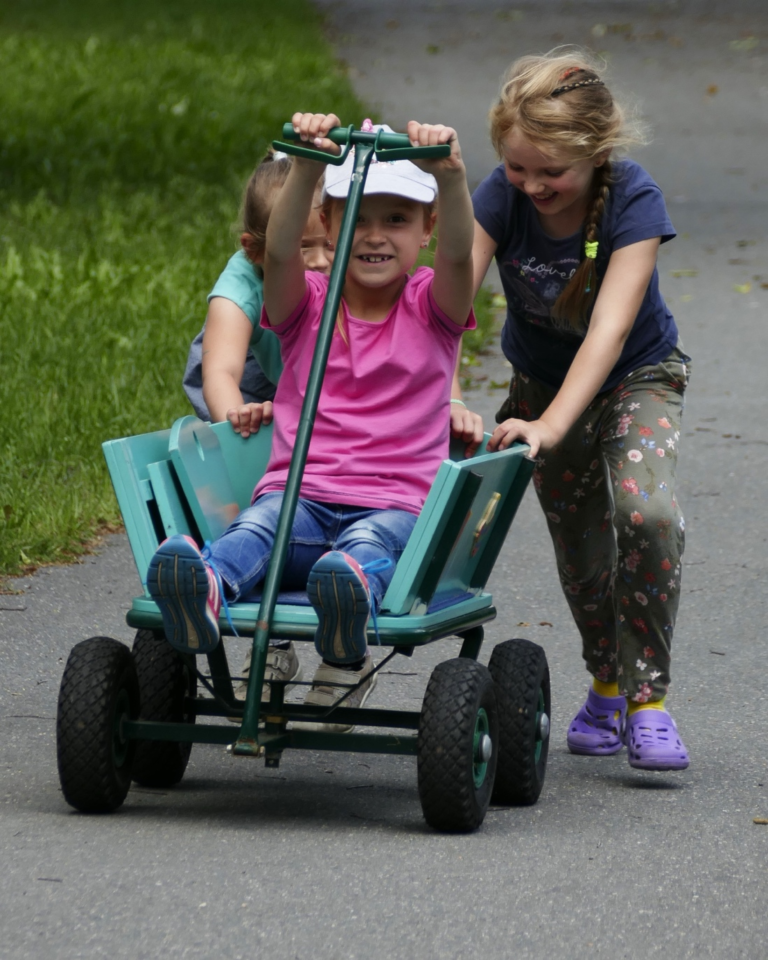
Children’s physical activity and movement increases when they visit nearby parks often and stay longer. However, simply building more parks is not enough. We show how practical design, safety and inclusive programming can turn everyday parks into places where children want to play.
Share
Target audience
Parks & gardens departments, planning authorities, schools and local offices.
The problem
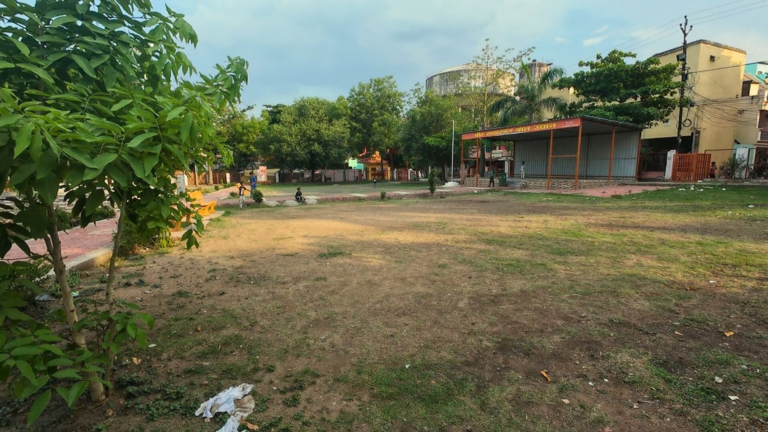
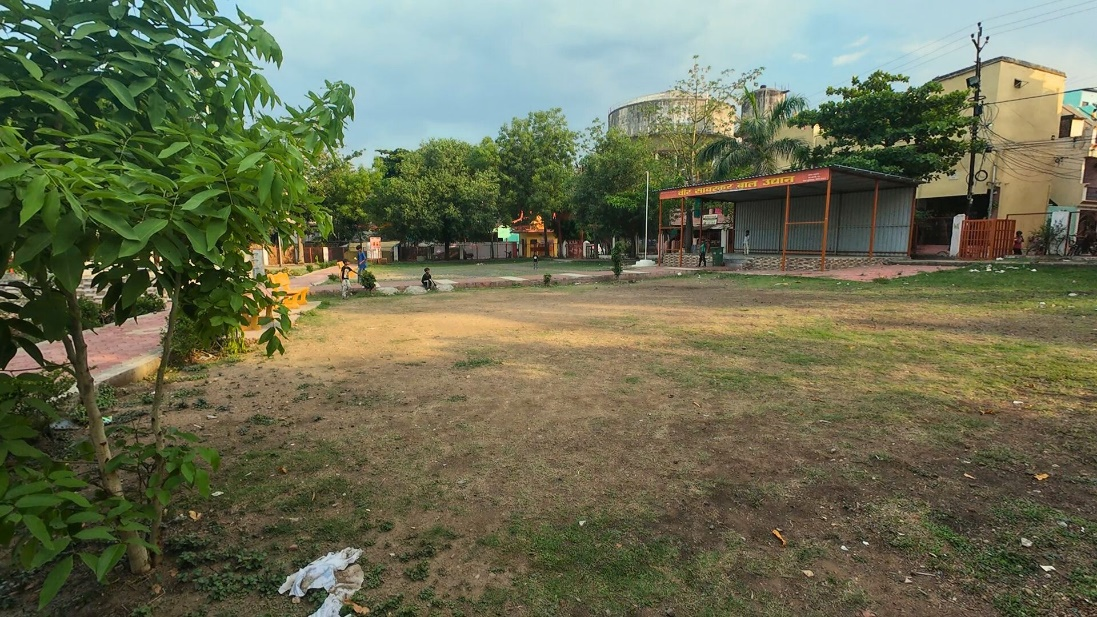
Children’s physical activity is decreasing in Indian cities, as with many cities across the world. Many neighbourhoods have parks, but families still avoid them because of poor maintenance, safety worries, and a lack of age-appropriate, welcoming spaces—especially for girls. Distance alone can not be a proxy for usage and provision metrics. Parents and children choose places that feel safe, clean and engaging. If we keep adding parks without improving quality, access routes and programming, we will not see healthier, more active childhoods.
What we did and why
We studied 386 children aged 9–14 years across different types of schools in Bhopal. We examined how often children visit parks, how long they stay, and how close parks are to their homes, and then compared these with their reported physical activity. We focused on practical questions that city teams can act on: which factors really matter in getting children to be active outdoors, and how can parks be designed and managed so children use them?
Our study’s contribution
We found that frequent visits and longer time in parks go together with higher activity among children, while proximity alone is not a reliable predictor in this context. Boys reported more activity than girls, pointing to barriers faced by girls. In short, the ‘pull’ of safe, engaging parks matters more than just being nearby. This helps city teams prioritise design, maintenance and programming choices that make parks truly usable for children.
Impacts for city policy and practice
I recommend city teams, parks & gardens departments, and planning authorities to adopt these points as minimum design and maintenance standards for neighbourhood parks. They will need to be reflected in tenders and contracts, and monitored. Schools and ward offices should mirror these standards on playgrounds to ensure safety and inclusion:
• Fix basics first: lighting, clean toilets, drinking water, safe play surfaces, working equipment.
• Design for girls: clear sightlines, seating for caregivers, gender-neutral play areas, and visible staff or volunteers.
• Make access easy: shaded walking routes, safe crossings, cycle stands; partner with nearby schools for supervised hours.
• Program the space: regular play hours, low-cost sports clubs, and community events to build habits.
Most importantly, measure success by visits and time spent, and not by counting parks and playgrounds!
Further information
Full research article:
The association of neighborhood green spaces and children’s physical activity: a study in Bhopal, India by Manmeet Chandra Verma & Rajshree Kamat.
Related posts

Heat exposure and greenness influence health and learning outcomes. Satellite images show schools on the Coast have strong heat stress levels and low vegetation; schools in the Andes have the largest solar radiation. Reforming school infrastructure standards is urgently needed in Ecuador. To describe environmental conditions in nine Ecuadorian schools, we analyzed three variables: temperature, vegetation, and solar radiation derived from satellite images that we downloaded from Google Earth Engine. We compared schools across three ecoregions to see differences in range and average values.
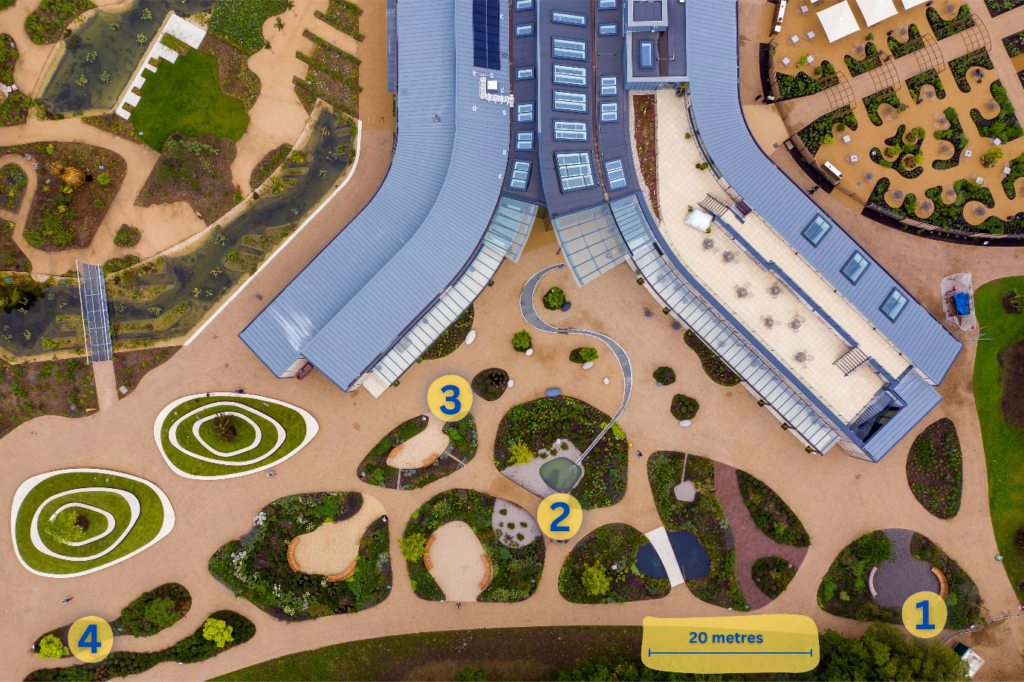
Our findings highlight how different features including sounds of flowing water, open seating areas, far-reaching views, and a variety of planting (colour, height, texture, scents, attracting wildlife) within a garden influence emotional reactions and perceived restoration. These findings help build a wider picture of the lived experiences of garden users and how their wellbeing may be influenced by specific garden features. We intend our findings to support design guidelines of public greenspaces concerning human wellbeing.
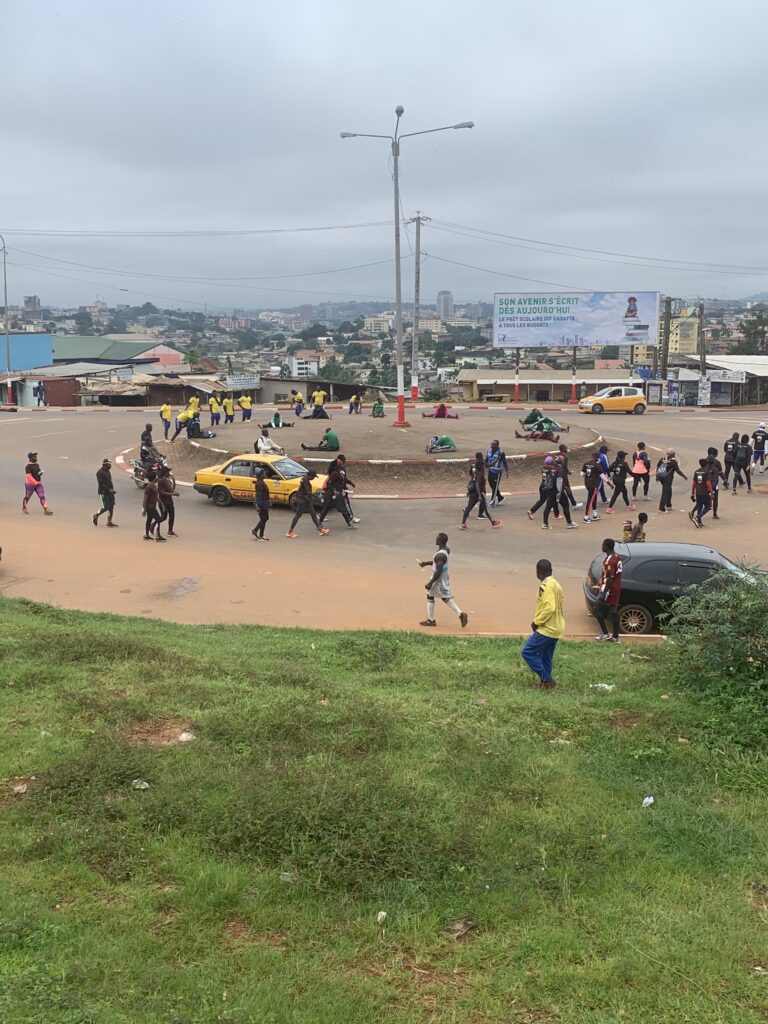
Our study explores how residents in Lagos and Yaoundé use roads, vacant lots, squares, and parks for running, walking, and other leisure-time physical activities. It reveals striking sex-based differences in perceived safety and risk, offering evidence to guide inclusive urban planning.